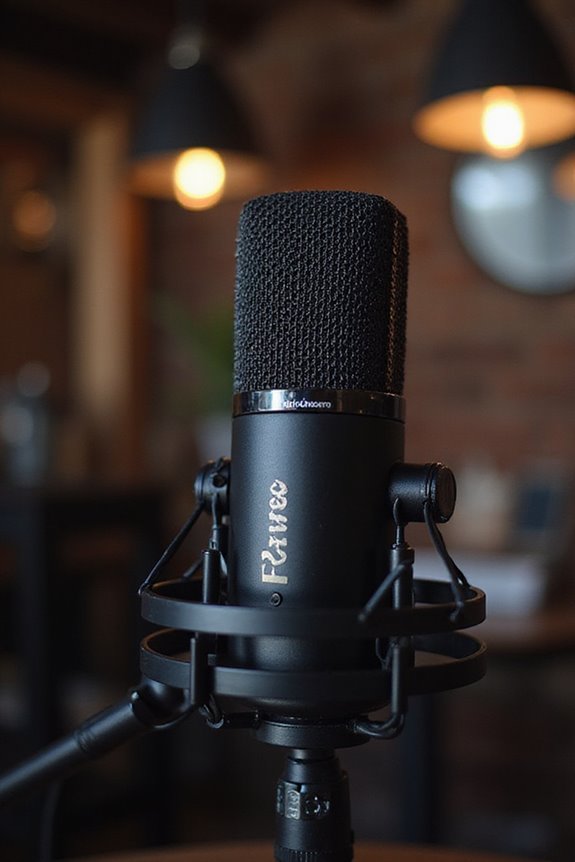

Yes, microphones can be used for both vocals and instruments! 🎤 They convert air vibrations into electrical signals, capturing a wide range of sounds. Dynamic mics are perfect for loud volumes while condenser mics offer rich details. Many modern mics even feature multi-pattern settings for versatility! Just remember, mic placement is key to achieving clear sound. So, whether you’re belting a tune or strumming a guitar, the right microphone can make all the difference! Stick around, and you’ll uncover even more exciting tips!
Key Takeaways
- Microphones do not distinguish between vocals and instruments, making them versatile for both applications.
- Vocal mics emphasize vocal frequencies, while instrument mics focus on specific instrument tones to avoid distortion.
- Dynamic microphones are durable enough for both live vocals and loud instruments, offering flexibility in various settings.
- Condenser microphones capture intricate details, making them suitable for studio recordings of both vocals and instruments.
- Understanding microphone types and their frequency responses enables optimal sound capture for diverse projects involving vocals and instruments.
Understanding Microphone Functionality
You may be interested
When we immerse ourselves in understanding microphone functionality, it’s easy to be amazed by how these devices transform sound! 🎤 Fundamentally, a microphone works by converting air vibrations—created by voices or instruments—into electrical signals. It doesn’t distinguish between the two, which demonstrates its versatility. Different microphone types, like vocal and instrument mics, have unique designs that impact sound capture. For instance, vocal mics often emphasize frequencies from 300Hz to 17kHz, enhancing vocal clarity. Meanwhile, instrument mics are tuned to focus on specific instrument frequencies, avoiding unwanted distortion. Understanding these features helps us choose the right mic, keeping sound quality at the forefront of our recordings or live performances. Additionally, selecting microphones with the right pickup pattern can greatly influence the quality of the sound captured. Let’s embrace the magic of microphones together!
Types of Microphones for Different Applications
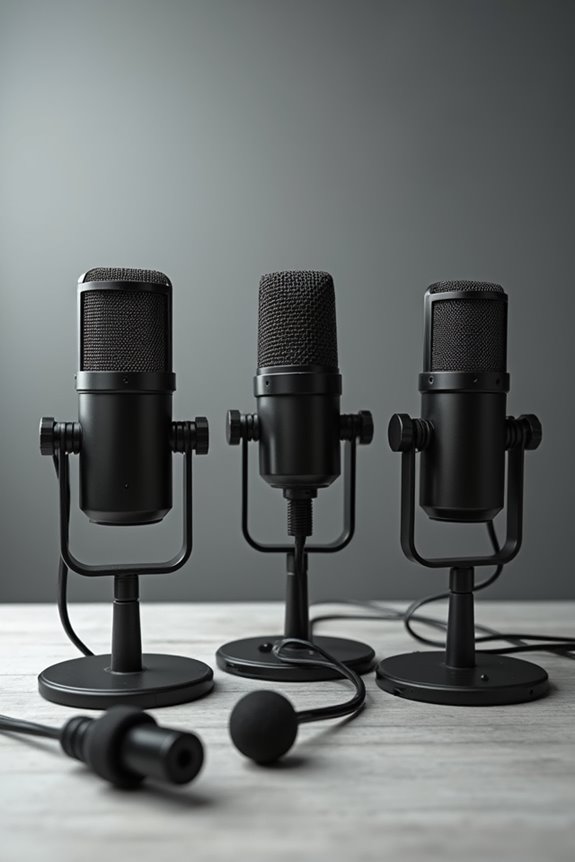
There’s a microphone out there for everyone! 🎤 Choosing the right type can make all the difference in how sound is captured, whether for a live performance, a studio recording, or even a podcast.
Let’s break it down:
Dynamic Microphones are robust, perfect for loud instruments and live vocals. They don’t need extra power—ideal for on-the-go.
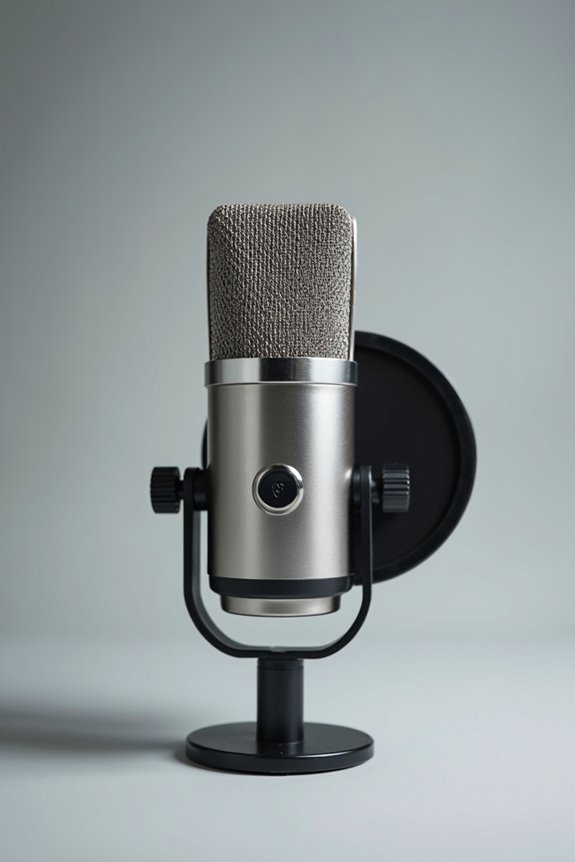
Condenser Microphones shine in the studio, capturing intricate details from vocals and acoustic instruments. However, they do require phantom power.
Ribbon Microphones deliver that warm, vintage tone but are delicate. Additionally, XLR microphones with dual connectivity allow for versatility in setups, catering to both professional and casual users.
Understanding microphone types and their specific recording techniques will guarantee you create the perfect sound for your project. So, let’s pick the one that resonates with your creative spirit!
Recommended Products

Accompaniment Styles add a "backing band" when you play or perform for dynamic and professional results. Customize and personalize your music while maintaining control over chord changes and arrangements.

Large-diaphragm Condenser Microphone

Three distinct tube microphones at the flip of a switch. FORWARD is bold, present and modern, but never harsh. NEUTRAL is smooth and earthy with a natural balancing of sibilant sounds. GENTLE is dark and sultry with a warm vintage feel, ideal for taming bright or abrasive sound sources.
The Versatility of Modern Microphones
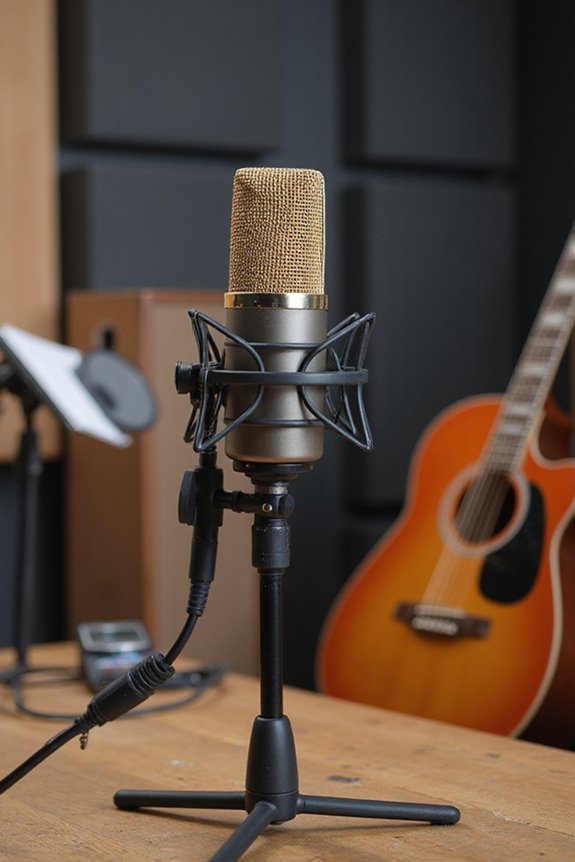
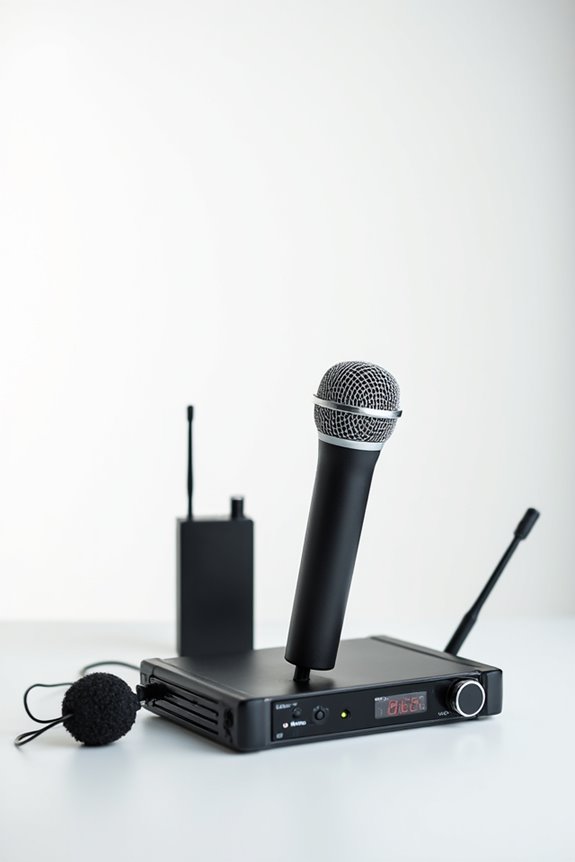
Modern microphones are more versatile than ever, transforming the way we capture sound across various settings. With features like multi-pattern flexibility, we can switch between cardioid and omnidirectional modes, adapting easily for vocals or instruments. The wireless convenience keeps us mobile during interviews or performances, removing pesky cable clutter! Meanwhile, modeling technology lets us emulate different mics, shaping sound character without needing extra gear. Application-specific designs, like shotgun mics, offer directional focus for dialogue, while ambient noise suppression keeps our recordings crisp. The portability benefits keep our setups streamlined. User adaptability flourishes with onboard controls and seamless integration into existing systems, making our audio adventures smoother than ever! 🎤✨ It’s all about capturing the best sound—whether singing or strumming! Additionally, the frequency response range of modern microphones ensures that both vocals and instruments are captured with clarity and precision.
Recommended Products

For Vocals/Instruments in Studio & Stage

CKR12 CERAMIC CAPSULE: Each Capsule is hand built in Vienna using Innovative high-density materials, with Austrian inhouse engineering. It has narrow tolerance due to mechanical design and Improved Mechanical isolation.

Enhanced, hypercardioid polar pattern, eliminates noise from the sides
Frequency Response and Its Importance
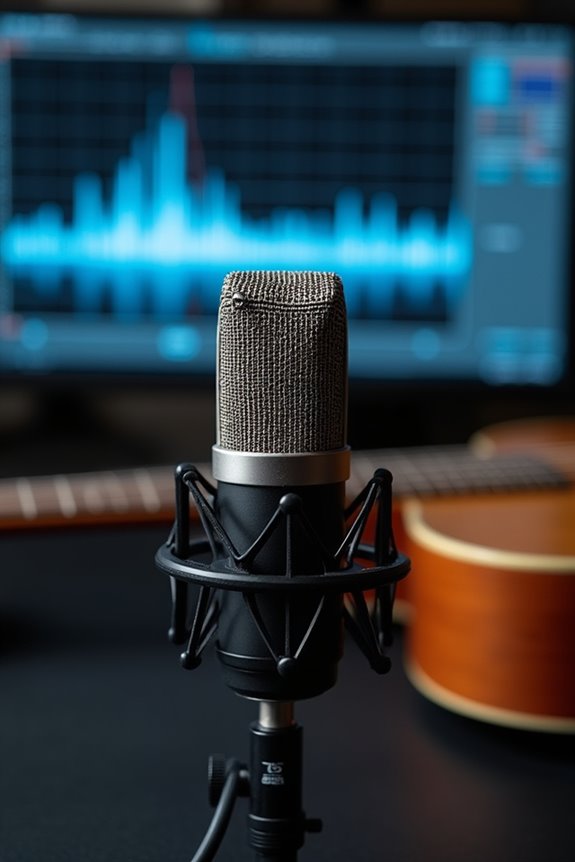
Getting the right frequency response from a microphone can make all the difference in your recordings! 🎤 Frequency response defines the range of sounds a mic can capture, typically from 20 Hz to 20,000 Hz, matching our hearing. For vocals, mics usually roll off low frequencies to avoid muddiness, enhancing sound clarity in the mid-range. On the flip side, instrument mics may cover broader ranges to catch those low bass notes accurately. A flat frequency response mic gives a natural sound, perfect for studio work, while shaped responses can boost intelligibility for live performances. Finding the right mic for your purpose guarantees that every note and word shines through, letting your creativity take center stage! 🌟 Additionally, selecting models with high sensitivity and a wide frequency range ensures comprehensive sound capture for both vocals and instruments.
Physical Design and Mounting Considerations
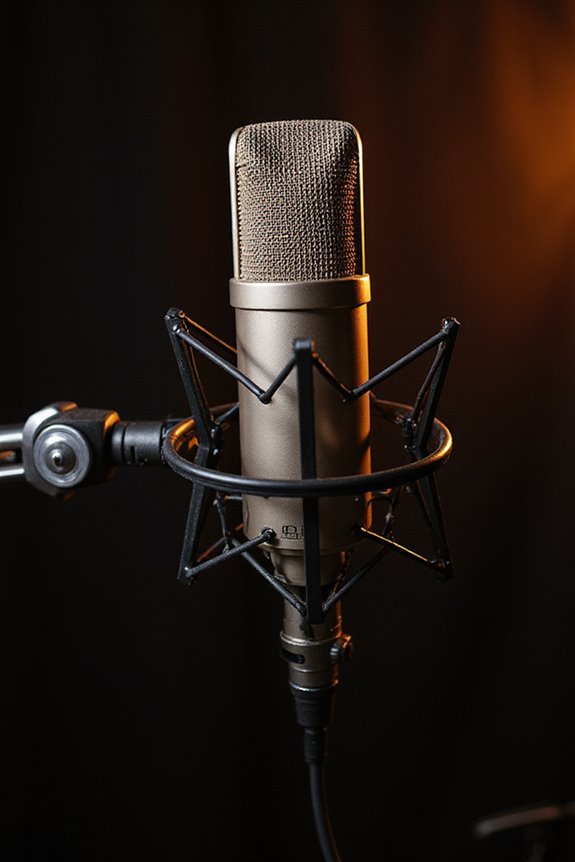
When we plunge into the world of microphones, physical design and mounting considerations become essential to achieving the best sound. 🎤 Each microphone type has its unique features tailored for specific purposes. Vocal mics typically have integrated windscreens to control plosives, while instrument mics focus on capturing tonality without this feature.
When it comes to mounting techniques, vocal mics often require sturdy stands or shock mounts for directionality and stability. Instrument mics might use clips or specialized mounts to guarantee precise positioning. Design differences, like shape and weight, affect how we use them—vocal mics need to be lightweight for handheld convenience, whereas instrument mics are built robustly for stability. Picking the right mic guarantees you get the best sound for your performance! Additionally, microphones with a cardioid pickup pattern are particularly effective in isolating sound sources, making them suitable for both vocal and instrumental applications.
Practical Applications for Vocals and Instruments
As we explore the practical applications for vocals and instruments, it’s fascinating to see how different microphone types can elevate our sound experience! 🎶 Whether you’re belting out a tune on stage or capturing the nuances of an acoustic guitar in the studio, choosing the right microphone can make all the difference.
For live performance techniques, dynamic microphones shine in noisy environments, handling high volumes with ease. On stage, using condenser mics for strings gives us that detailed sound we crave! Additionally, understanding microphone positioning techniques can significantly enhance sound capture and clarity during performances.
Microphone placement strategies also play a significant role. For instance, bidirectional mics are perfect for vocal duets, while close miking helps isolate instruments. Let’s embrace these tools to achieve the best sound – together!
Recommended Products

8 award-winning Midas PRO mic preamps and 8 Midas PRO outputs onboard

IP-5900 provides 6000W (Peak) of crisp clean power

Matched Pair Studio Grade Professional Large Diaphragm Vocal and Instrument Condenser Microphone with Rugged Aluminum Carrying Case. XLR Connector. Astounding sound quality for lead vocals and solo instruments
Testing and Choosing the Right Microphone
Choosing the right microphone can feel like maneuvering through a maze, but it doesn’t have to be overwhelming! 🎤 Whether you’re a seasoned pro or just starting out, understanding how to test and select microphones can truly enhance your sound experience.
Start with test methodologies: position your mic 30 cm from your sound source. Assess off-axis angles (like 45°) for sound coloration. Remember to conduct close-up tests to check for pops and ambience tests around 3-4 meters for capturing backgrounds.
Use a reference mic like the 4006A for calibration. Keep your signal chain clean, using flat-response monitors. Don’t forget to evaluate varying pitches! Happy testing, and soon enough, you’ll discover your ideal microphone match! 🎶
Recommended Products

PRECISION ENGINEERED ¾” CAPSULE: Features a Shure-designed and manufactured capsule with embossed Mylar diaphragm, delivering smooth response and exceptional low-frequency performance typically found in 1” capsules.
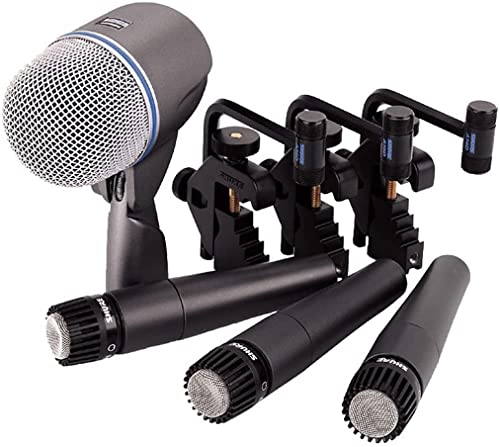
The industry standard for snare drum, and a reliable high-performing choice for toms, Shure's cardioid dynamic SM57 microphone features a contoured frequency response that cuts through the mix with exceptional impact, while reproducing sound accurately.

COMPLETE BUNDLE INCLUDES: sE Electronics sE2300 Large-diaphragm Condenser Microphone, a Pig Hog PHM10 8mm Mic Cable, and a Liquid Audio Polishing Cloth
Budget-Friendly Options for Multi-Use
Finding the right microphone doesn’t just stop at testing; we also need to think about how to keep our wallets happy! 🎉 For those of us juggling vocals and instruments or simply looking for budget-friendly options, there are some fantastic multi-use microphones that deliver stellar sound without breaking the bank.
Budget Condenser Options:
- MXL 990: Perfect for both piano and vocals, it adds rich tone to recordings.
- Audio-Technica AT2020: Offers a wide frequency response, making it ideal for home setups.
Dynamic Delights:
- Shure SM58: A durable classic for live and studio vocals.
- Shure SM57: Great for instruments and sneaky vocals, it’s a versatile star!
With these budget microphones, you can explore versatile recording without hesitation! 🎤
Recommended Products

SMOOTH AUDIO REPRODUCTION - The SM4 microphone features a brass 1-inch dual-diaphragm capsule, providing clean, controlled low-end frequencies and smooth, detailed highs for natural audio reproduction.

PODCAST, STREAM & CREATE WITH CONFIDENCE: Whether you're recording vocals, hosting a podcast, or livestreaming to your audience, this microphone delivers professional sound capture with reliable XLR connectivity for studio and creator setups
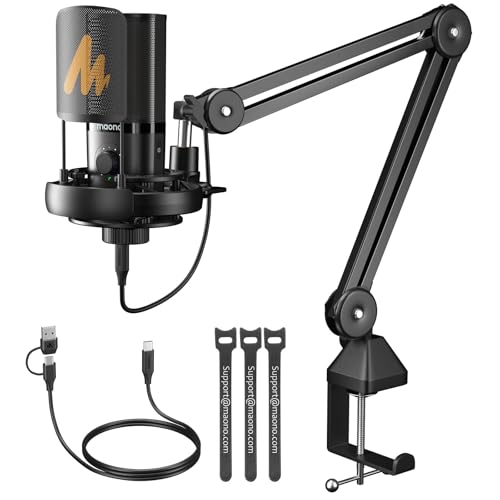
STUDIO SOUND QUALITY: The MAONO PM450 Series microphones are the top-tier choice in MAONO's renowned podcast microphone lineup. Designed to be compact and efficient, suitable for studios of any size. With customized professional chips, powerful DSP functions, and a 48kHz/24bit sampling rate deliver HiFi sound quality. The MAONO PM450S microphone covers a wide frequency range from 20Hz to 20kHz, capturing rich bass, warm and clear mid-range, and smooth treble tones for both vocals and instruments
Common Misconceptions About Microphone Usage
When we plunge into the world of microphones, it’s easy to get tangled in a web of misconceptions! 🎙 Many folks believe that louder microphones must be better, but that’s not necessarily the case. We need to talk about microphone sensitivity misconceptions. A mic’s sensitivity doesn’t imply quality; it’s about how well a mic captures sound. Also, wireless frequency myths can mislead us; no frequency band is interference-free due to spectrum sharing!
Moreover, the idea that a microphone can “reach out” to distant sounds is a little exaggerated. They focus primarily on nearby sound pressure. So, let’s embrace knowledge and steer clear of misunderstandings, ensuring we use microphones effectively for both vocals and instruments! 🌟
Adapting Microphones for Recording Environments
Adapting microphones for different recording environments may seem intimidating, but it’s all about knowing your gear and space! 🎤 By understanding how microphone types suit specific environments, we can greatly enhance our recordings.
When we think about microphone placement, it’s essential to match the mic to our setting. For vocals, large-diaphragm condensers shine in treated rooms, capturing rich details. Meanwhile, dynamic mics excel in louder environments like live gigs!
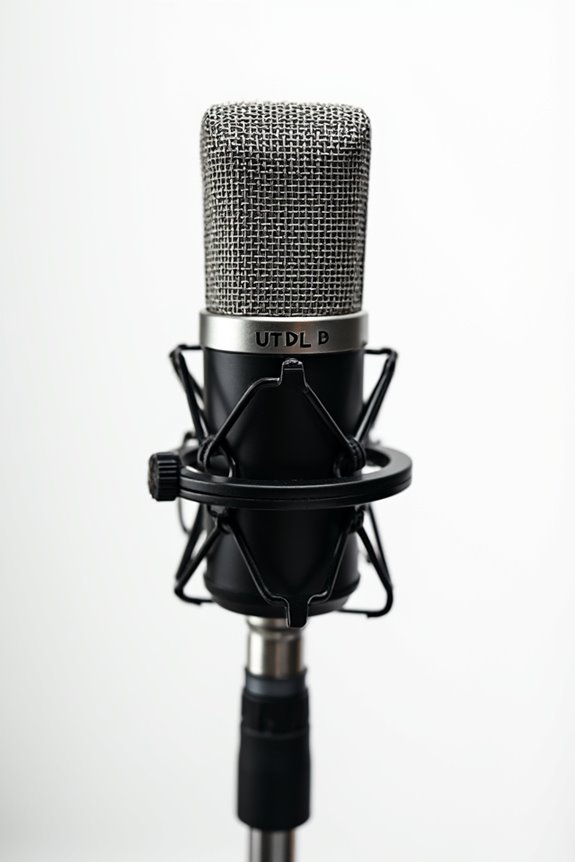
Using tools like pop filters and shock mounts boosts vocal clarity too. Plus, experimenting with angles and distances helps balance direct sound and room ambiance. So, whether you’re rocking out on stage or laying down tracks in a cozy studio, mastering these recording techniques can lead to stellar results! Let’s explore and refine together!
Frequently Asked Questions
Can I Use a Vocal Mic for Live Instrument Performances?
We can explore vocal mic versatility for live performances, but let’s consider sound quality and SPL. In certain situations, they work well for instruments; other times, dedicated mics are a better choice for fidelity.
Are There Microphones Specifically Designed for Beginners?
We remember when we first explored beginner microphones, discovering entry-level options that balanced quality and affordability. These mics empower us all, providing a friendly introduction to recording and inviting us to release our creativity.
How Important Is Microphone Placement for Sound Quality?
Microphone placement’s essential for achieving our desired sound dynamics. Different microphone types can enhance clarity and warmth, so let’s experiment with angles and positions together, ensuring we capture each moment’s unique essence beautifully.
Do Wireless Microphones Work Well for Both Vocals and Instruments?
Absolutely, we’ve found wireless microphones can deliver impressive sound fidelity for both vocals and instruments. Their wireless performance enables freedom of movement on stage, allowing us to create engaging experiences together without being tied down by cables.
Can Microphone Cables Affect Sound Quality?
Indeed, our cables profoundly affect sound quality. Poor cable quality can introduce sound interference, diminishing our audio experience. Investing in well-constructed cables not only enhances fidelity but also instills confidence in our performances and recordings together.