

A boundary microphone, or pressure zone microphone, is a clever audio tool that captures sound by placing the diaphragm flush against surfaces like tables and walls! 🎤 This design helps minimize background noise and echoes, enhancing clarity. With its true hemispherical polar pattern, it captures sound from all directions with consistent quality. Ideal for conferences or performances, these low-profile microphones blend right in. Curious about how to pick the perfect one for your setup? Let’s explore further!
Key Takeaways
- A boundary microphone, or pressure zone microphone (PZM), features a diaphragm flush against surfaces to capture sound waves effectively.
- It minimizes background noise and phase interference with its omnidirectional or cardioid capsule design.
- The true hemispherical polar pattern captures sound uniformly from all directions, enhancing audio clarity.
- Commonly used in conferences, performances, and video productions, it blends discreetly into various environments.
- Their low-profile design and acoustic principles improve sound isolation and clarity, making them ideal for professional audio applications.
Definition and Design of Boundary Microphones
You may be interested



Envision this: You’re in a conference room, and the sound quality is crystal clear! That’s the magic of boundary microphones. These clever devices, also called pressure zone microphones (PZMs), use special characteristics that make them unique. With the microphone diaphragm placement flush against surfaces like tables and walls, they capture sound waves effectively, enhancing clarity.
Their low-profile design fits seamlessly into any setting, making them less obtrusive. Typically equipped with omnidirectional or cardioid capsules, their compact size varies from miniature to larger models. This means you get balanced sound, minimized phase interference, and reduced background noise—perfect for group discussions or presentations! So next time you hear amazing audio, remember: it just might be a boundary mic at work! 🎤✨
Acoustic Principles and Sound Capture

Now that we’ve grasped the design and function of boundary microphones, let’s explore how they capture sound through fascinating acoustic principles. By positioning the mic capsule flush with a boundary surface, we eliminate initial acoustic reflections, improving sound clarity. This clever design removes rear reflections that can muddle our audio signal, keeping it clean and precise!
With a true hemispherical polar pattern, boundary mics capture sound from all around while maintaining consistent tone quality. Plus, the pressure zone principle enhances high-frequency response, making our recordings even more brilliant. By minimizing room reverberation and focusing on direct sound, we’re tapping into a world of acoustic transparency. So, if you want clear and natural sound, boundary microphones are your go-to choice! 🎤✨
Typical Uses and Applications
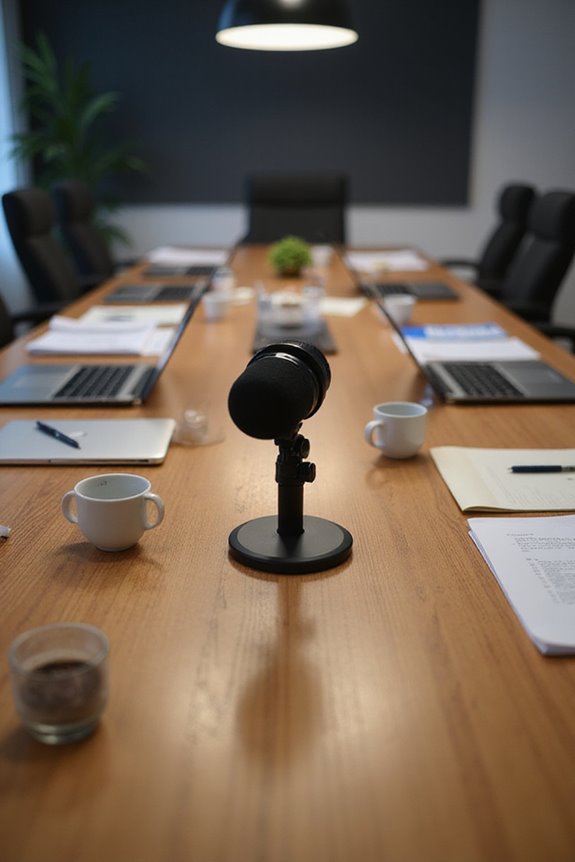
When we think about how versatile boundary microphones are, it’s clear they shine in a variety of settings! In conference setups, they capture the voices of multiple participants without the clutter of individual mics. For live performances, their strategic placement enhances natural acoustics, keeping that live vibe intact. In video production, boundary mics provide clear audio while blending discreetly into the scene, which is super handy! When it comes to instrument recording, they work wonders inside piano lids or near instruments for capturing that perfect sound. Plus, in surveillance applications, their discreet design allows for effective audio monitoring without drawing attention. No matter the acoustic environment, boundary microphones truly deliver! 🎤✨
Recommended Products

This receiver requires a ULXD transmitter to complete the system. Note: When purchasing separate wireless components, please match their frequency bands to ensure proper system operation.

Complete audio/video conferencing bundle for big rooms: HD video camera, speakerphone and expansion mics in one affordable package
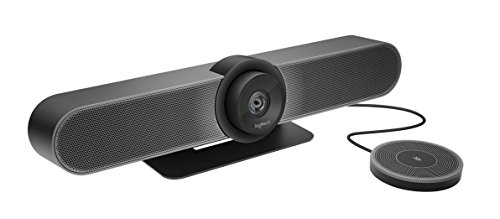
Logitech's premier ConferenceCam specifically designed for business-grade video meetings in huddle rooms and small conference rooms
Advantages of Boundary Microphones

While we might think of microphones as simple tools, boundary microphones truly offer a range of advantages that make them stand out! One major benefit is their exceptional audio quality. By creating a “pressure zone,” they consistently capture sound from all directions, resulting in natural, balanced audio—perfect for group discussions. Plus, the design minimizes background noise and room echoes, enhancing sound isolation brilliantly.
Their low-profile shape blends seamlessly into any environment, making them visually discreet and ideal for various settings. Plus, with versatile pickup patterns available, you can choose the right model for your needs! So whether you’re capturing a lecture or hosting a meeting, boundary microphones help you sound your best! 🎤✨
Recommended Products

EXTREMELY COMFORTABLE HEADPHONES. Designed with extended wear in mind, Beoplay HX have a comfortable, lightweight build and elegant touch control.Specific uses for product : Home,Travel,Sports and Exercise,Personal

This Pressure Zone Microphone technology Dual frequency response Frequency response of 20Hz to 20kHz a Maximum SPL of 150dB 3-year warranty

Industry standard PCC boundary technology Electret condenser40Hz to 18kHz frequency response
Types and Output Options

Now, about those boundary microphone outputs: Analog outputs use XLR connectors and require phantom power, whereas digital models, like USB mics, plug right into your computer. They’re excellent for podcasts! Whether you need solid sound for a performance or the ease of a USB connection, there’s a boundary mic type that fits your needs. Let’s get mic’d up! 🎤✨
Recommended Products
Outstanding 4K Visuals, Mapped Perfectly to Your Space: X1 Pro's Triple Laser engine delivers 3,500 ANSI lumens, 1.07 billion colors, and 56,000:1 dynamic contrast; SpaceFlow auto-maps your wall's exact 3D shape and texture — fitted precisely to any surface for a truly cinematic image.

Unapologetic power: Area-51 was intentionally designed to reach new performance horizons by enabling higher graphics and processor power limits.
Unapologetic power: Area-51 was intentionally designed to reach new performance horizons by enabling higher graphics and processor power limits.
Limitations and Considerations
Though boundary microphones offer impressive benefits, they come with their fair share of limitations and considerations you should keep in mind.
Placement Challenges
Finding the right spot can be tricky! These mics perform best near flat, reflective surfaces. If mounted on uneven ground, you might lose those crisp high frequencies.
Environmental Noise
We need to pay attention to the noise around us. Boundary mics are sensitive to ambient sounds, so placing them in busy areas may result in unwanted distractions. Additionally, outdoor use requires weatherproof models to combat moisture and dust.
While they offer convenience, fixed positions can limit directional flexibility. So, before diving in, let’s verify we’re ready for these tendencies, confirming our sound quality meets our expectations! 🎤✨
Recommended Products


Choosing the Right Boundary Microphone for Your Needs
How do we choose the right boundary microphone for our unique needs? First, let’s look at connectivity. USB models are great for plug-and-play convenience, perfect for remote meetings or podcasts. In contrast, XLR mics suit professional setups and offer balanced audio. Next, consider user reviews—these can give us insights into reliability and performance, reflecting current market trends.
For our specific applications, whether capturing voices in a conference room or recording an instrument, we want enhanced sound clarity. Models like the MXL AC44-TAP and Crown PCC-160 are excellent options with multi-capsule designs, reducing unwanted noise. By identifying our needs and preferences, we can confidently select a boundary microphone that feels right for us! 🎤✨
Recommended Products
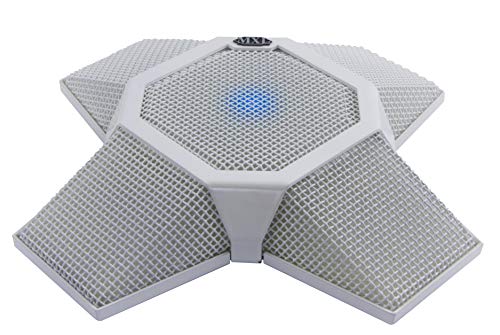
Designed by a microphone company for zoom video communications for use in zoom rooms

360° Voice Pick-Up and Natural Sound - The UC BM45 features an 8-beam microphone array and advanced speakers for 360-degree voice pick-up and natural sound. With super-wideband audio and advanced echo suppression, it ensures clear communication.

AI Features - UVC34 usb camera has AI technologies such as ▶auto framing ▶AI face enhancement ▶low-light optimization. Even in dim or backlit environments, image brightness can be automatically optimized and participants' faces are clearly visible.
Frequently Asked Questions
Can Boundary Microphones Be Used Outdoors?
Absolutely, we can use boundary microphones outdoors! Their weather resistance makes them perfect for outdoor performances, ensuring we capture clear sound even in challenging conditions. Together, we’ll enjoy reliable audio quality, rain or shine.
How Do I Clean a Boundary Microphone?
When it comes to microphone maintenance, we recommend using gentle cleaning techniques. We’ll unplug it, clean grilles and windscreens, and wipe down the body, ensuring our boundary microphone stays in top condition together!
Are Boundary Microphones Compatible With Smartphones?
Absolutely, boundary microphones enhance smartphone compatibility and greatly improve audio quality. We can easily record meetings and presentations on our devices, experiencing clearer sound over internal mics, fostering a more connected and engaging communication environment.
What Is the Typical Frequency Response Range?
We often find that typical frequency response ranges for boundary microphones span from 20-40 Hz up to 18-20 kHz, enhancing audio quality for both speech and music, making our listening experiences richer and more engaging together.
Do Boundary Microphones Require Specific Mounting Hardware?
Absolutely, boundary microphones do require specific mounting options. By using tailored installation techniques, we can guarantee these mics perform at their best, allowing us to capture the sound we love without compromise.