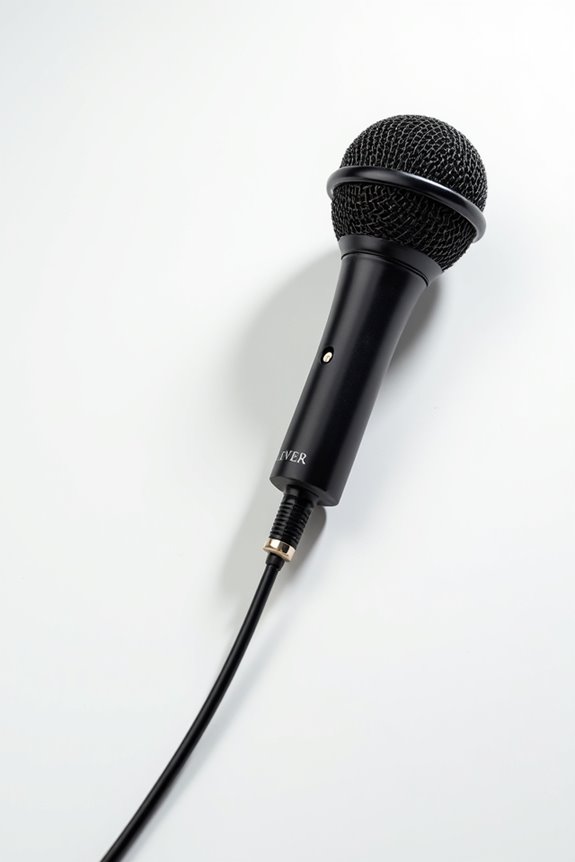

🎤 Lavalier microphones are fantastic for studio recording because they’re compact, hands-free, and super versatile. Their unidirectional design reduces background noise, while the pre-polarized condenser capsules guarantee clear sound. Popular choices like the Shure TwinPlex and Rode SmartLav+ deliver high-quality audio! 🌟 Just remember, proper placement is crucial, but with the right technique, they can shine. Stick around to uncover tips on optimizing your lavalier mic for the best recording experience!
Key Takeaways
- Lavalier microphones are compact and discreet, making them ideal for flexible positioning in studio environments.
- Their hands-free design allows for natural gesturing while maintaining audio quality during recordings.
- Unidirectional lavalier mics can significantly reduce background noise, enhancing clarity in studio recordings.
- Proper mic placement close to the sound source can improve fidelity and minimize room reflections.
- While they are versatile, lavalier microphones may lack the rich tonal quality of larger studio microphones.
Advantages of Lavalier Microphones in Studio Environments
You may be interested
The benefits of using lavalier microphones in studio environments are nothing short of impressive! These compact and discreet mics make flexible positioning a breeze, letting us capture sound from various angles. Their hands-free operation allows you to gesture wildly (or strum a guitar!) without worrying about audio quality. Plus, their small size is perfect for multi-talent recording, ensuring everyone looks great and sounds even better.
With directional capabilities, lavalier mics focus on the speaker’s voice while minimizing background noise, making them versatile for everything from interviews to podcasts. So, if you’re ready to level up your recordings, consider lavalier microphones. They’re the secret sauce you didn’t know you needed! 🎤✨
Audio Quality Considerations for Studio Recordings
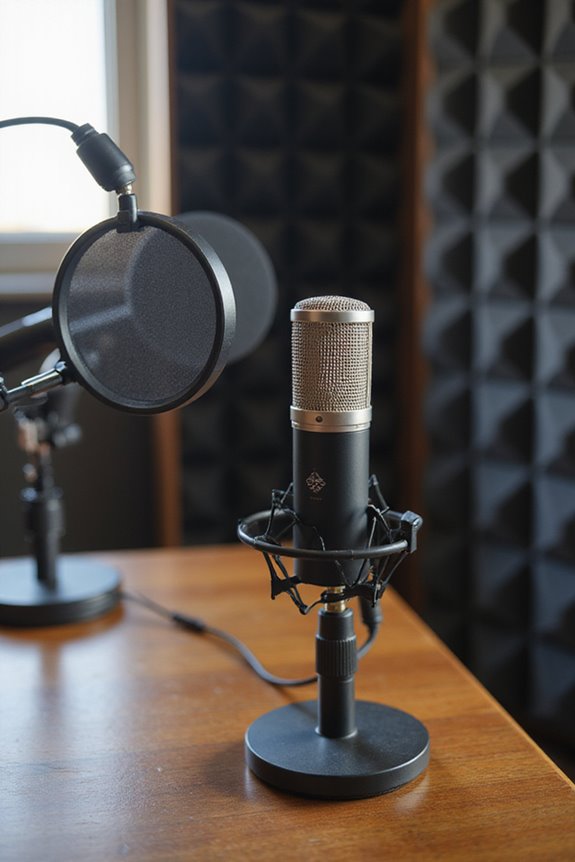
When we think about audio quality in studio recordings, microphone choice becomes essential! Lavalier microphones can be a great option, but we need to take into account a few factors. First, the type you choose matters; unidirectional lavaliers reduce background noise and improve recording clarity, capturing just the voice we want. But if we’re using omnidirectional mics, they can pick up unwanted ambient sounds, which could muddy our recordings.
Placement is key too! Keeping the mic close to our sound source minimizes room reflections, enhancing audio fidelity. Remember, wired lavaliers generally provide more consistent audio quality, avoiding RF interference from wireless systems. Additionally, considering the ideal pickup patterns of microphones can help further enhance the clarity and focus of your recordings. So, whether you’re recording vocals or instruments, a little attention to detail, like mic placement and type, goes a long way in achieving studio-quality sound!
Technical Features of Lavalier Microphones
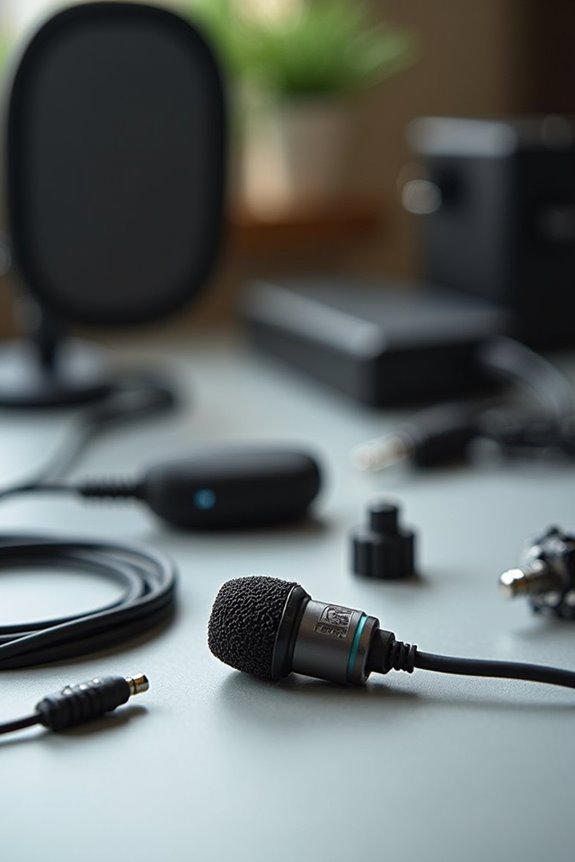
Lavalier microphones are compact wonders of audio technology! These little gems feature pre-polarized condenser capsules, ensuring sensitive and detailed sound capture. With an omnidirectional polar pattern, they pick up audio evenly from every direction, making them super flexible in various settings. Their ultra-low self noise is perfect for critical recording environments, letting your voice shine through without distractions.
Typically, lavaliers offer a wide frequency response to clearly capture speech, avoiding any unwanted coloration. Plus, they’re equipped with durable Kevlar-reinforced cables, keeping them safe from interference. So, whether you’re on stage or in a studio, these mics will deliver high-quality audio. Just don’t forget—most require external power, so stay plugged in! 🎤✨
Popular Lavalier Microphone Models for Studio Use
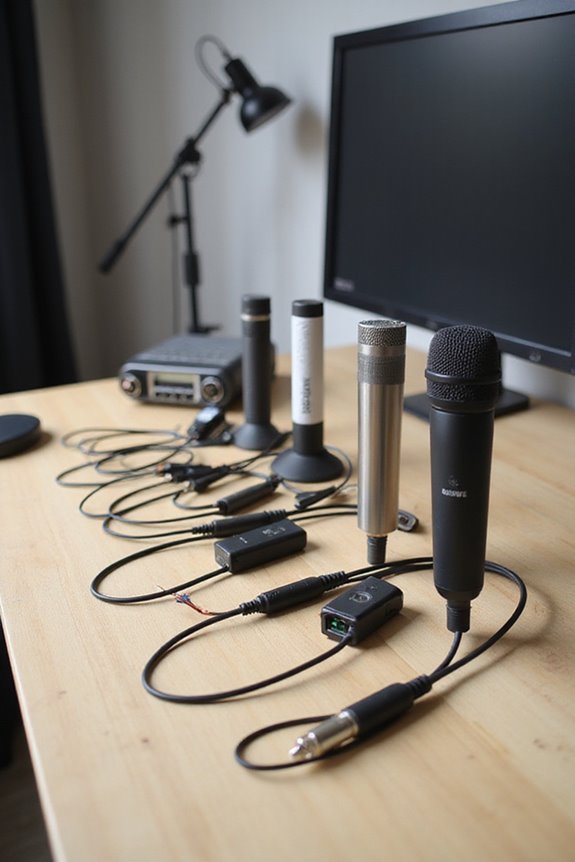
Looking to elevate your recording experience? Let’s explore some popular lavalier microphone models that fit perfectly for studio use!
Wireless Options:
- DJI Mic 2 – Features refined noise canceling and 32-bit float recording for that pro-grade audio.
- Sennheiser XS Wireless Digital – Offers a wireless range of up to 75 meters, ideal for podcasts.
- Shure TwinPlex – Low-profile design that maintains high sound quality while being discreet.
Wired Lavalier Microphone Types:
- Rode SmartLav+ – Affordable yet high-quality, perfect for smartphone recording.
- Shure MVL – Compact design with amazing clarity.
- Audio-Technica Pro 70 – Great for instruments, reducing ambient noise effectively.
With these options, you’re set up for success in any recording scenario! 🎤
Best Practices for Lavalier Microphone Placement
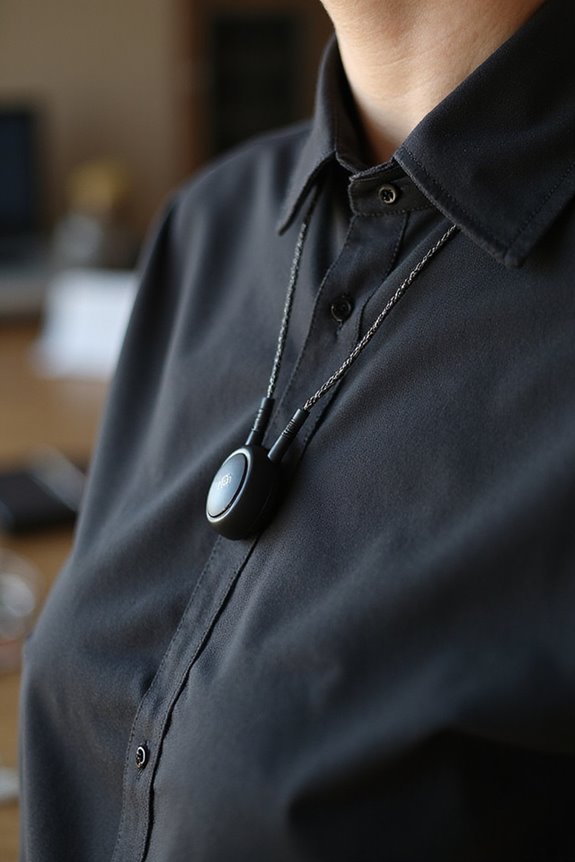
After checking out those standout lavalier mic models, it’s time to focus on placement! For best microphone positioning, let’s aim for around six inches below your collarbone—right over the sternum. This sweet spot boosts sound clarity while keeping unwanted noise at bay. We can clip the mic to a tie or a shirt for stability!
Limitations of Lavalier Microphones in Studio Settings
While we love the convenience of lavalier microphones, they do have some limitations, especially in studio settings. First of all, their pickup limitations mean they usually capture sound from all directions. This can lead to unwanted ambient noise drowning out your voice. Plus, handling noise is a common issue; those fabric rustles can be a real headache! When we move, our lavalier might pick up mechanical sounds, which can distract listeners. Proper placement is essential, but not always easy—especially if your outfit isn’t microphone-friendly! And, let’s face it, lavalier mics might lack the rich tonal quality you get from larger studio mics. So, while they’re excellent for interviews, for studio magic, we might want to explore other options! 🎤✨
Frequently Asked Questions
Can Lavalier Microphones Be Used for Music Recordings?
We’ve found that lavalier microphones can capture unique sound quality in music recordings. They’re great for highlighting music dynamics while providing discreet placements, allowing us to explore creativity in our studio setups together. Let’s experiment!
Are Lavalier Microphones Suitable for Podcasting?
When discussing if lavalier microphones are suitable for podcasting, we’ve found they offer great flexibility and audio quality with the right microphone placement. Let’s explore how to achieve ideal podcast quality together!
How Do I Choose Between Wired and Wireless Lavalier Microphones?
It is understood it can be tough deciding between wired advantages and wireless flexibility. While wired mics offer reliability, wireless lavaliers provide mobility. Let’s assess our needs together to find the best fit for our projects.
What Additional Equipment Is Needed for Using Lavalier Microphones?
When using lavalier microphones, we’ll need to take into account preamp requirements for ideal signal quality, as well as appropriate cable length to avoid interference. Together, we can guarantee our setup delivers clear, professional audio for our projects.
Can Lavalier Microphones Be Used in Live Performances?
Absolutely, lavalier microphones offer live performance advantages like hands-free operation, enhancing our stage presence. However, we should consider sound quality limitations due to omnidirectional pickup, which can capture unwanted background noise in dynamic environments.