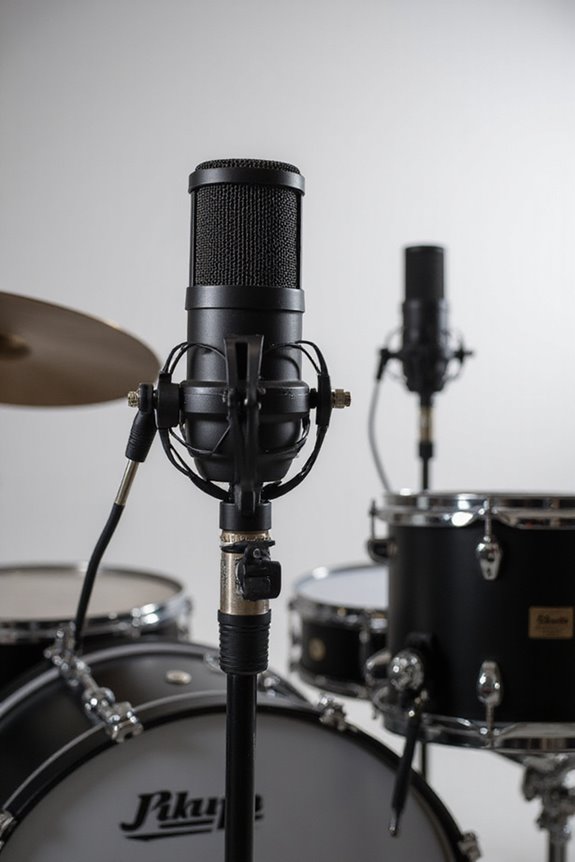

Looking for the best microphones for drums? We’re here to assist! For kick drums, the Audix D6 is defined and affordable. Snare lovers might appreciate the Shure SM57, known for its balanced response. For toms, check out the Sontronics DM-1T for a full sound. Don’t forget overheads like the AKG C414 for warmth. If you want a complete setup, drum mic kits offer versatile options! Keep on exploring to find the perfect mic for your unique sound! 🎶
Key Takeaways
- Choose kick drum microphones like the Audix D6 for a well-rounded sound or the Shure Beta 52A for a punchier response.
- For snare drums, the Shure SM57 provides a balanced frequency response ideal for aggressive playing and versatility.
- Tom drum microphones such as the Sontronics DM-1T and Lewitt DTP 340 TT offer clarity and punch, crucial for capturing low-end.
- Overhead microphones, like the AKG C414 and Sennheiser e614, are essential for capturing warmth and clarity in cymbals.
- Consider drum microphone kits that combine various mics for comprehensive coverage, enabling versatility for both studio and live settings.
Kick Drum Microphones
You may be interested
When it comes to capturing that perfect kick drum sound, we’ve got some fantastic microphone types to evaluate! First up, the Audix D6 offers a well-rounded, defined sound without breaking the bank. For those looking to pack a punch, the Shure Beta 52A shines with its wide pickup pattern. If you want to go premium, the Sontronics DM-1B delivers a full 20Hz-20kHz range—perfect for every note! For budget-conscious folks, the Sennheiser e 602 fits the bill nicely, while the classic AKG D112 MKII remains a favorite. Each of these mics tailors to various settings, whether studio magic or the live stage, ensuring you find the right fit for your kick drum needs! 🎶
Recommended Products


COMPREHENSIVE DRUM MIC KIT: The Audix DP7 Plus is the latest offering in value-packed drum mic kits from Audix, providing everything you need to achieve pro-sounding stage and studio drums.

KICK DRUM MICROPHONE: The D6 is an excellent choice for kick drums, featuring a frequency response of 30Hz-15kHz and a cardioid pick-up pattern that doesn't require finding the drum's "sweet spot."
Snare Drum Microphones
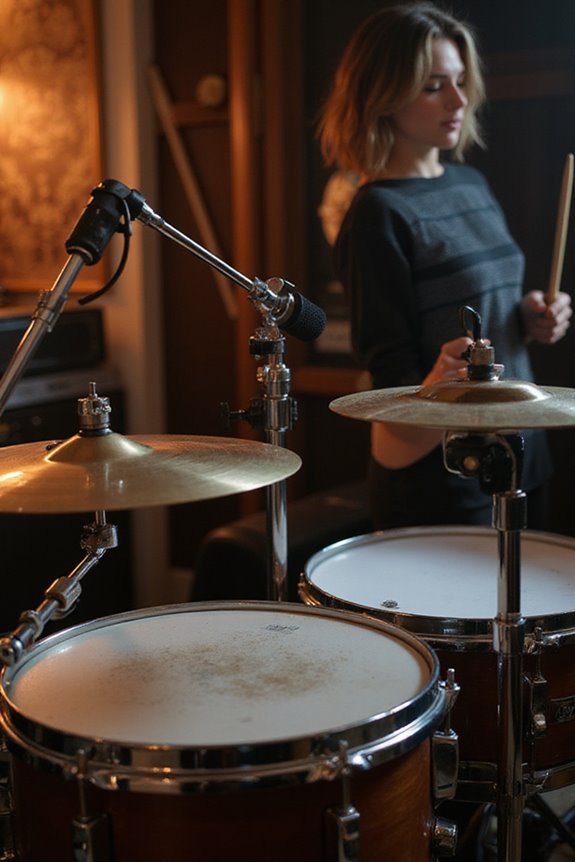
Shure SM57
This legendary mic offers a balanced frequency response of 40Hz–15kHz, perfect for aggressive playing.
Audix i5
With a range of 50Hz–16kHz, it’s built for both studio and live use, delivering a full sound—ideal for heavy hitters.
Beta 57A
This supercardioid mic excels with a frequency response of 50Hz–16kHz, isolating those nuanced snare sounds.
Sennheiser MD 441-U
A studio favorite since ’66, its wide 30Hz–17kHz range captures amazing detail.
Aston Starlight
For a boutique option, this mic boasts a thick tone and precise laser positioning!
Ready to find your snare’s best friend? Let’s plunge into those snare mic comparisons!
Recommended Products

6.5" x 14" Bell Brass Snare Drum with 3.0mm Shell Die-cast Hoops - Aged Verdigris Patina

Features an 8 x 12-inch rack tom, an 11 x 14-inch floor tom, a 5 x 14-inch snare drum, and a 12 x 20-inch bass drum

6" x 14" Maple Snare Drum with Die-cast Hoops - Cottonwood
Tom Drum Microphones
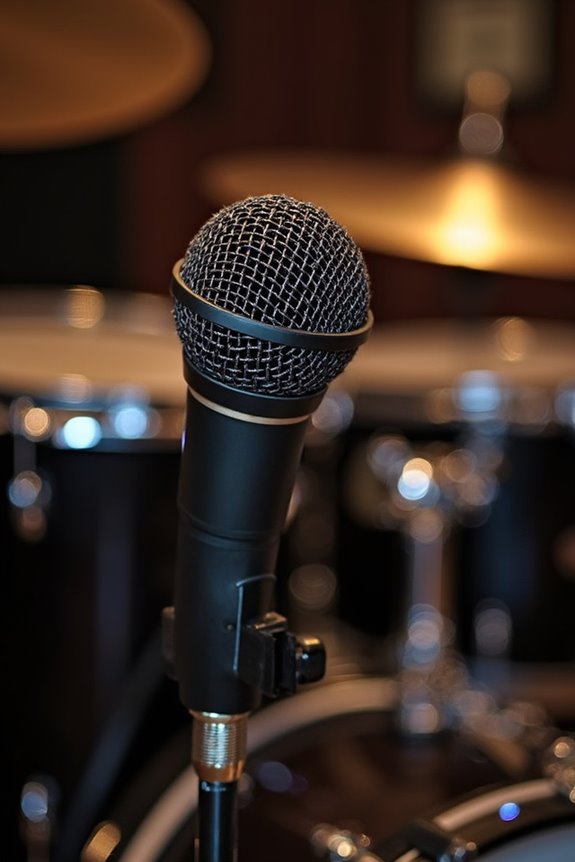
Tom drums can be the heartbeat of a band, providing the rhythm that keeps everything in sync! 🥁 To capture that powerful sound, you need the right microphones designed specifically for toms.
When we look at tom mic comparisons, we see a few standout players:
- Sontronics DM-1T: This condenser mic delivers full sound with a rugged design, perfect for intense drumming.
- Lewitt DTP 340 TT: A dynamic option offering clarity and punch, it’s easy to mount!
- Shure Beta 98AMP: With a flexible gooseneck for quick adjustments, it captures those punchy lows effortlessly.
- Beyerdynamic TG D57: Its compact design is popular among pros, ensuring a crisp sound.
Choosing the right mic can make all the difference! Additionally, understanding microphone polar patterns can significantly enhance your ability to isolate the tom sound from other instruments and reduce background noise.
Recommended Products

Flat frequency response delivers true-to-life sound, Requires plus 48V phantom power

For Vocals/Instruments in Studio & Stage

For Vocals/Instruments in Studio & Stage
Overhead Microphones
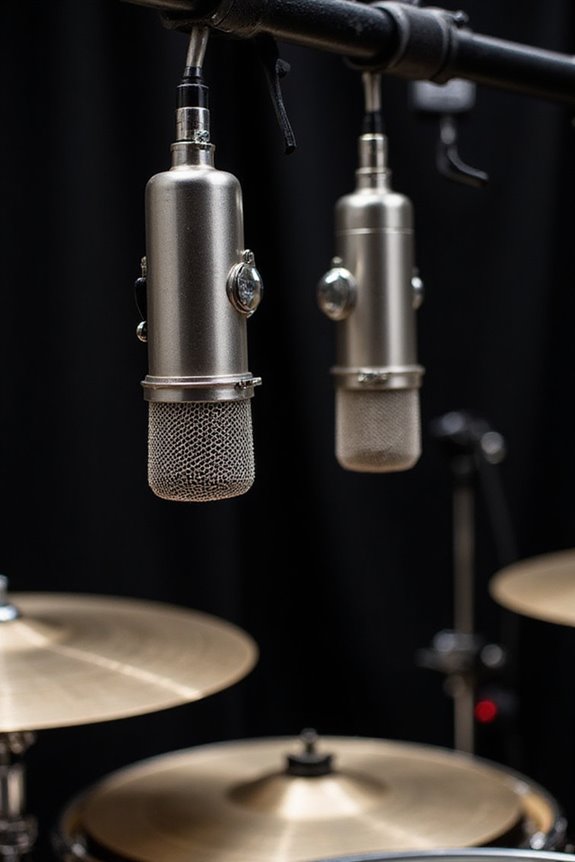
Overhead microphones are essential for capturing the full sound of a drum kit, especially those sizzling cymbals and crisp snare hits! 🎤 While we might be tempted to think of these mics as just “the ones hovering above,” they can greatly elevate the overall sound quality in any recording or live performance.
When we consider overhead microphone types, large-diaphragm condensers like the AKG C414 shine for warmth, while pencil condensers, such as the Sennheiser e614, excel in clarity. Microphone placement techniques matter too! Positioning is vital for minimizing bleed and emphasizing those beautiful cymbals. With options ranging from affordable to premium, there’s an overhead mic for every drummer out there, making that sweet drum sound accessible to all of us! 🎶
Recommended Products

2 x C414 XLS Sonically Matched Pair - Engineered for highest linearity and neutral sound for beautifully detailed recording of vocals and any acoustic instrument

STUDIO CONDENSER UPGRADE — TLM 103 LARGE-DIAPHRAGM CONDENSER WITH ELASTIC SUSPENSION MOUNT: A bare TLM 103 ships with the rigid SG 2 swivel mount, which transmits desk and stand vibration straight into the take — you need an elastic suspension built for the body and the K 67/87 capsule it carries. This bundle pairs the Neumann TLM 103 with the official Neumann EA 4 elastic shock mount. Voice-over artists, audiobook narrators, broadcast engineers, and mastering professionals — drop the mic in the EA 4 cradle and track.

Small-diaphragm Condenser Cymbal/Hi-hat/Drum Overhead Microphone with Supercardioid Polar Pattern Active Electronics - Matched Pair
Drum Microphone Kits
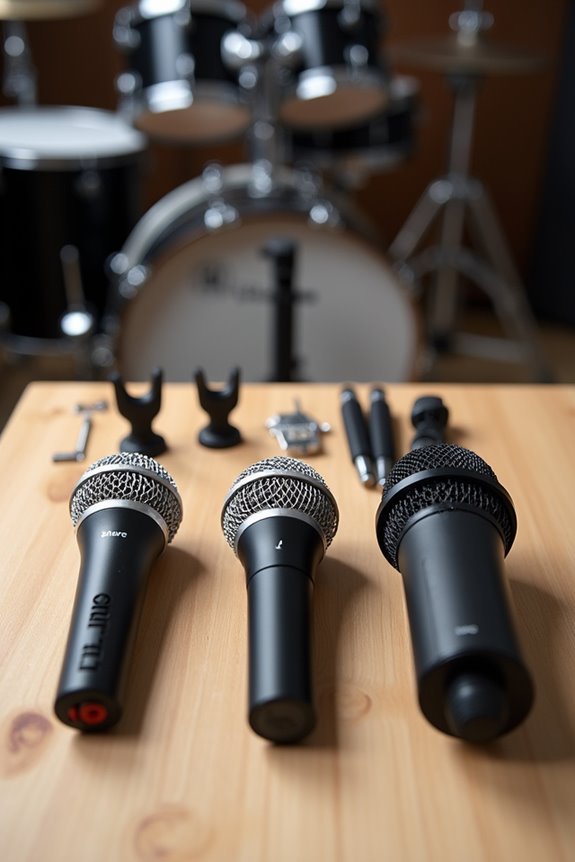
When it comes to capturing the magic of a drum kit, opting for a decent drum microphone kit can feel like a game changer! 🎶 These kits typically combine various mics designed specifically for each part of your kit, making it easier for you to achieve a killer sound.
These kits bring great kit versatility; you get dynamic mics for kick and snare, plus compact options for toms. Integrated mounts guarantee precise microphone placement, so you’ll always get consistent results. For a crisp snare sound, look for models like the Audio-Technica PRO 63. Plus, don’t overlook small-diaphragm condensers for those shining cymbals! From mid-priced options to premium sets, you’ll find something that fits your needs and budget. Happy miking! 🎤
Recommended Products

A perfect sonic image of your whole kit from above. A pair of Earthworks SR25 cardioids bring transparency, clarity, and attack to your drum sound
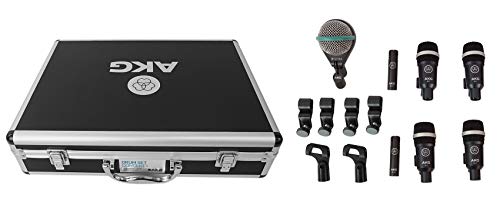
7-pc Concert Drum Microphone Kit with D112 MKII Bass Drum Mic

1x DTP 640 REX - Kick drum microphone with two phase-aligned capsules, dynamic and condenser
Frequently Asked Questions
Can I Use a Vocal Mic for Drums?
While it’s tempting to employ a vocal mic for capturing drum sound, we might find it results in a thinner representation. Instead, let’s consider dedicated options that embrace the full richness of our rhythmic expressions.
How Do I Position Microphones for Optimal Drum Sound?
When we consider drum mic placement for ideal sound isolation, we want to position microphones thoughtfully. Let’s aim for clarity by balancing each mic’s position, enhancing our overall drum sound for a truly engaging recording experience.
What Is the Difference Between Dynamic and Condenser Mics?
When discussing the difference between dynamic and condenser mics, we’ve found dynamic mics handle higher sound pressure well, while condensers boast a wider frequency response, capturing subtle details with impressive dynamic range. Both have unique strengths!
Do I Need a Mixer for Drum Microphones?
Imagine our band’s sound as a vibrant tapestry. When we’re drum recording, a good mixer ties those threads together. Depending on our setup, we might need different mixer types to balance that beautiful blend.
How Many Microphones Do I Need for a Drum Kit?
When it comes to how many microphones we need for a drum kit, we usually consider drum mic types and effective mic placement strategies. A minimal setup often includes three, while five to seven mics provide more clarity.