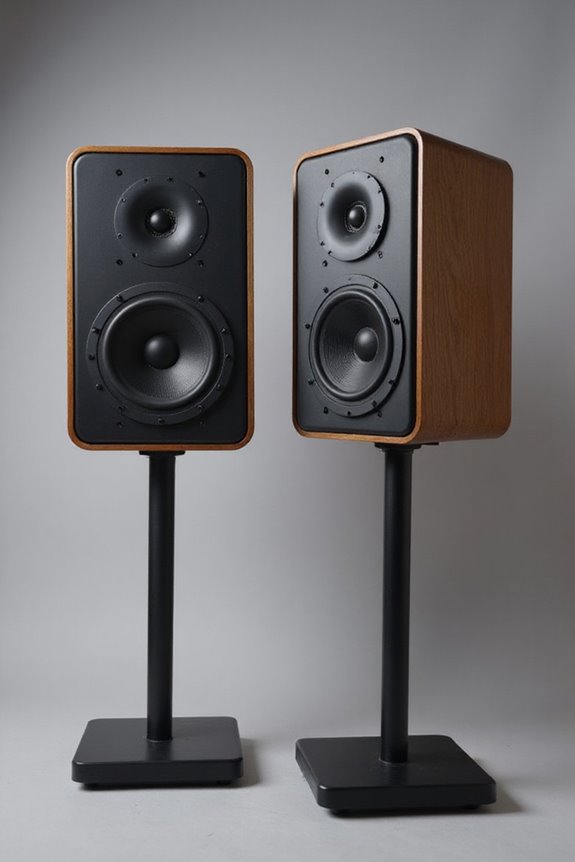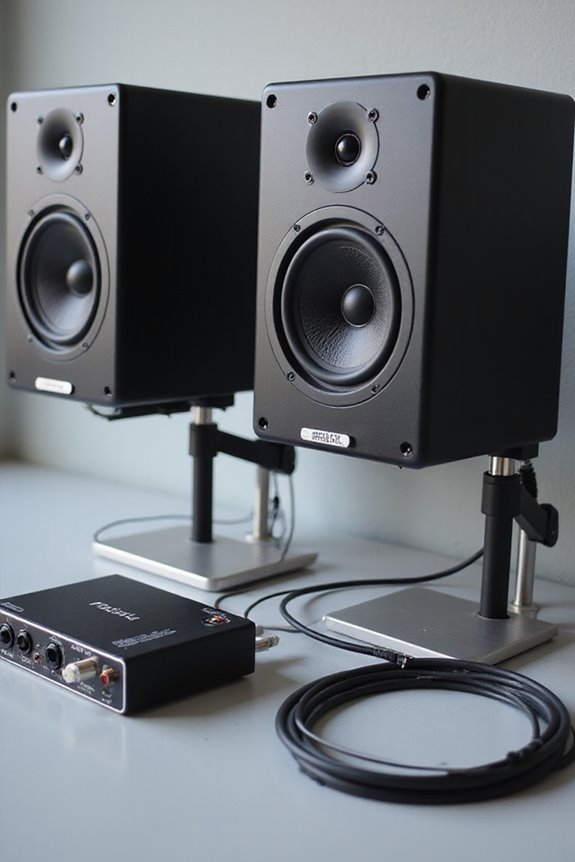


When it comes to sound quality, studio monitors trump regular speakers! Their active designs feature built-in amplifiers for each driver, ensuring precise sound. With a flat frequency response, studio monitors reveal every detail in your mix, while consumer speakers often boost bass or treble, hiding nuances. Plus, they shine in nearfield listening environments, minimizing unwanted room effects. And let’s not forget their easy calibration, helping you achieve that perfect balance. Stick around, and we’ll explore even more reasons! 🎶
Key Takeaways
- Studio monitors provide a flat frequency response, ensuring accurate audio representation without boosting bass or treble.
- Built-in amplifiers in studio monitors optimize performance, minimizing signal degradation compared to passive speakers.
- The nearfield design of studio monitors enhances clarity by reducing unwanted room acoustics at close listening distances.
- High-quality drivers in studio monitors improve sound transparency, allowing for precise detail in professional mixing.
- Active crossovers in studio monitors ensure seamless integration of drivers, enhancing overall sound quality for critical listening.
Technical Design Differences
You may be interested
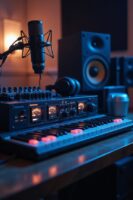
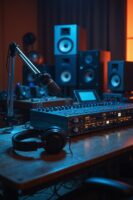
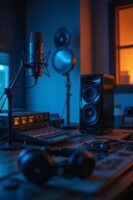
When it comes to audio equipment, understanding the technical design differences between studio monitors and regular speakers is key to making an informed choice. 😄 While both are meant to deliver sound, they’re crafted with different goals in mind, which affects how they function.
Studio monitors typically use active (powered) designs, featuring dedicated amplifiers for each driver technology, ensuring clear and precise sound. Their rigid cabinet design reduces unwanted vibrations, preserving audio quality. In contrast, regular speakers usually rely on passive designs requiring external amplification, limiting their sonic precision.
Additionally, studio monitors incorporate active crossovers that optimize driver integration, creating a seamless audio experience. This attention to detail is vital for accurate monitoring—something we can all appreciate! 🎶 Moreover, flat frequency response in studio monitors enhances sound representation, making them essential for professional mixing and production.
Recommended Products

EXCEPTIONAL SOUND PERFORMANCE - Savor the ultimate listening experience by pairing a fully loaded high fidelity turntable with endlessly versatile, room-filling 120-watt powered bookshelf speakers
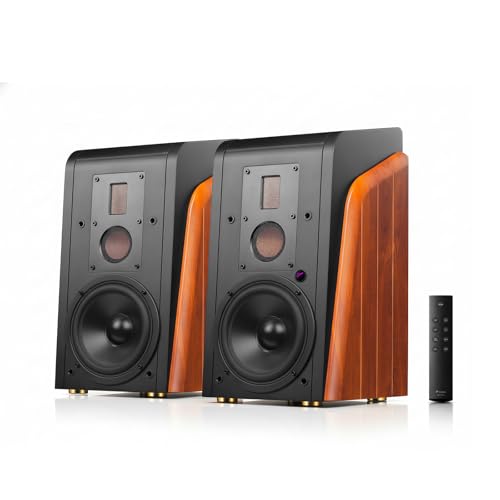
PREMIUM POWERED SPEAKERS - A compact 3-way home audio system featuring a patented isodynamic ribbon tweeter for high frequencies up to 40kHz, a 2" metal midrange driver for vocals and strings, and a 6.5" woofer for deep, punchy bass.
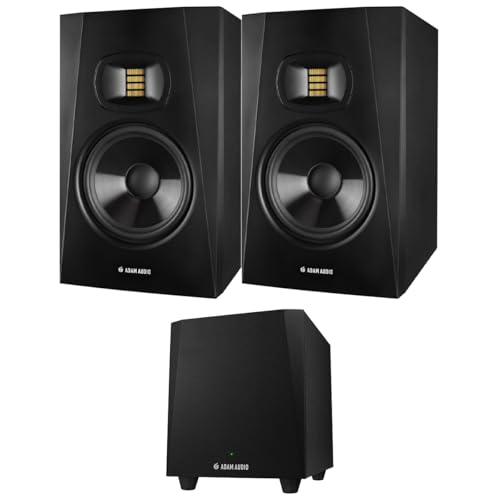
INCLUDED - 2x Adam Audio T7V Monitors, 2x Power Cords, Quick Start Guide, Adam Audio Warranty, & Adam Audio T10S Subwoofer for a full studio sound setup.
Frequency Response and Accuracy
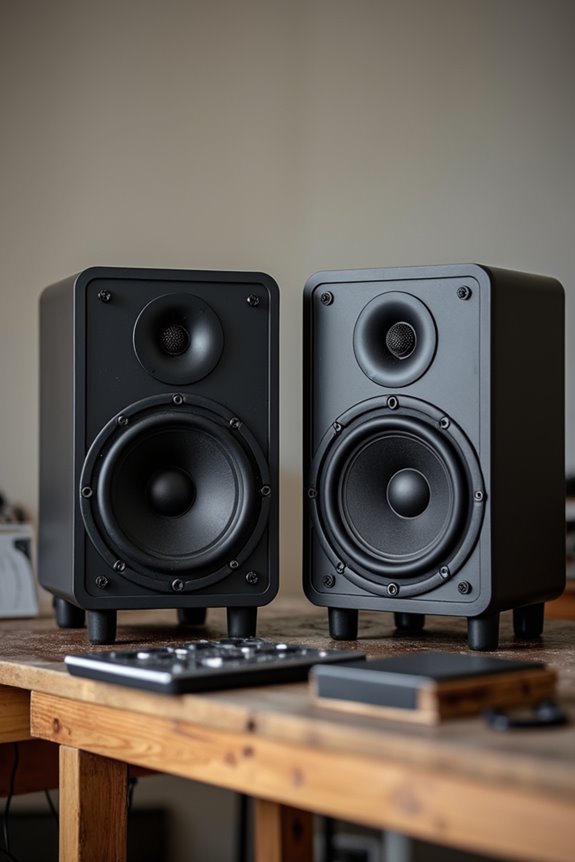
One of the key aspects that sets studio monitors apart from regular speakers is their frequency response and accuracy! 🎶 Studio monitors are designed to produce a flat frequency response, meaning every audible frequency is reproduced equally, without favoring any specific range. This flat response guarantees sound transparency, allowing us to hear music as it was meant to be heard.
In contrast, consumer speakers often boost bass or treble, coloring the audio for a more “pleasurable” experience—but that can mask important details! With reliable frequency handling from 65 Hz to 22 kHz, studio monitors let us detect even the tiniest imperfections, securing clarity across lows, mids, and highs. When we mix and master our tracks, accuracy is everything!✨ Furthermore, studio monitors typically feature high-quality drivers that enhance clarity and stereo imaging, making them essential for professional audio work.
Recommended Products

ASUS VivoBook Pro 16 OLED laptop comes with 16” 3.2K (3200 x 2000) OLED 16:10 aspect ratio with ultra-slim NanoEdge bezels
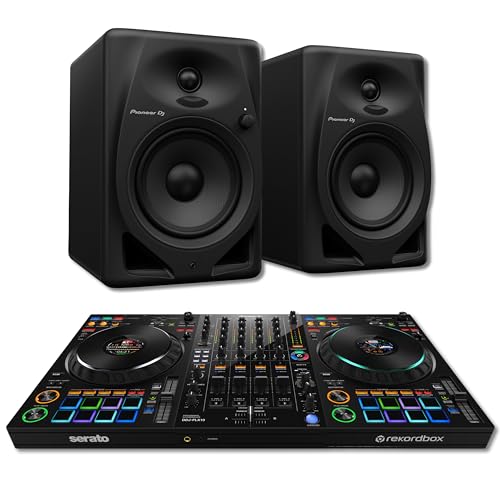
WHAT'S INCLUDED: Pioneer DDJ-FLX10 4-deck Rekordbox and Serato DJ Pro controller and Pioneer DM-50D powered nearfield desktop monitor speakers — a complete professional DJ studio setup with accurate reference monitoring from a matched-brand Pioneer signal chain.

3-way Powered Studio Monitor with 8" LF Driver
Intended Use and Listening Environment
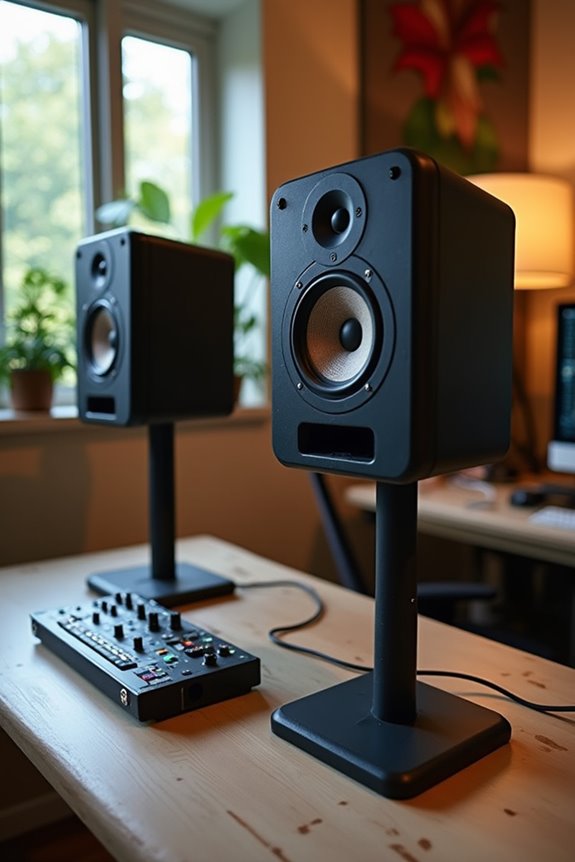
While we might enjoy jamming out to our favorite tunes, knowing the intended use and listening environment for studio monitors versus regular speakers is key to making the best choice for our audio needs.
Studio monitors shine in nearfield listening setups, typically 1 to 3 feet away. This placement reduces unwanted acoustic influences and lets us hear the precise details in our mixes. In contrast, regular speakers are built for broader sound dispersal, great for casual listening but not for critical audio tasks.
Using studio monitors often means considering acoustic treatment, which optimizes our space. The neutral sound response helps uncover those hidden audio nuances, ensuring we don’t miss any important details. Many professional setups utilize studio-quality sound to achieve the best results. So, whether you’re mixing beats or just enjoying music, remember environment matters!
Recommended Products

Latest modeling techniques used to minimize non-linear distortion Smoother off-axis response, more forgiving of diverse acoustical environments Compact polycarbonate composite cabinet Powerful highly efficient amplifiers with large headroom Wide range input gain and output level controls


Aluminum/magnesium inverted dome tweeter
Signal and Sound Integrity
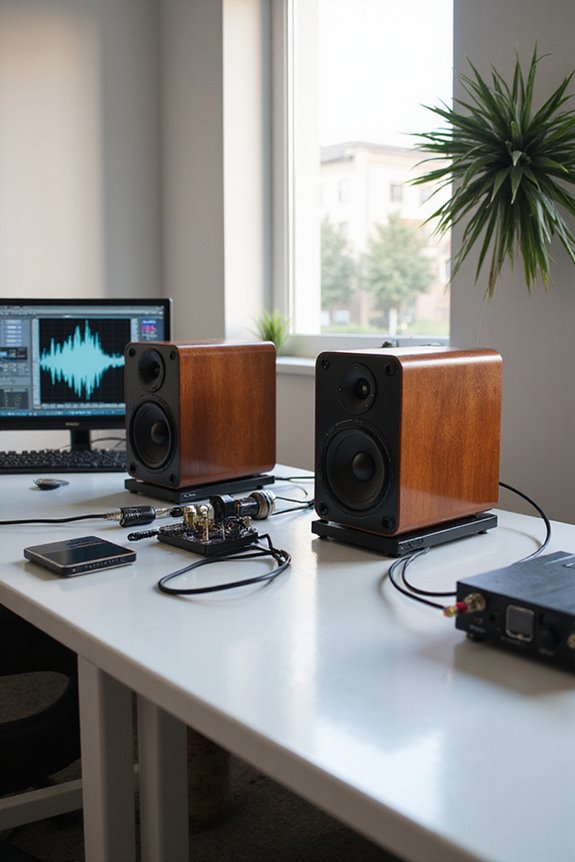
Having reliable signal and sound integrity is essential for our listening experience, especially when it comes to studio monitors. These monitors offer incredible signal transparency, delivering a flat, neutral frequency response that avoids unnecessary boosts or cuts. This means you hear the music as it was meant to be heard, allowing us to identify sonic details vital for mixing!
With built-in amplification tailored for each driver, studio monitors minimize signal degradation, providing outstanding sound fidelity. Their nearfield design sharpens focus, cutting through room acoustics and preserving audio clarity. You’ll find that high-quality components work together seamlessly, ensuring consistency across playback systems. When we choose studio monitors, we embrace accuracy, clarity, and ultimately, a more truthful listening journey! 🎶✨ Additionally, the incorporation of balanced audio across all frequencies enhances the overall monitoring experience, making them indispensable tools for any audio professional.
Recommended Products
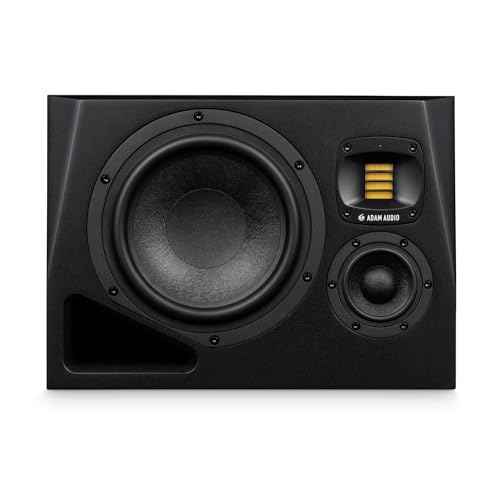
3-way Powered Studio Monitor with 8" LF Driver

This product is sourced from an authorized Soundcraft North American dealer and includes the official Soundcraft manufacturer’s warranty. The warranty is valid only for products purchased from authorized Soundcraft North American dealers within the United States.

【Desktop-Grade Vision, Laptop Portability】Experience the immersive power of a massive 17.3” Full HD (1920x1080) display. Perfect for data analysts and project managers who need to view massive spreadsheets and multiple windows side-by-side without a secondary monitor. Despite its large screen, the ultra-slim 18.8mm profile and <2.1kg lightweight design ensure it fits comfortably in your commute bag.
Calibration and Control
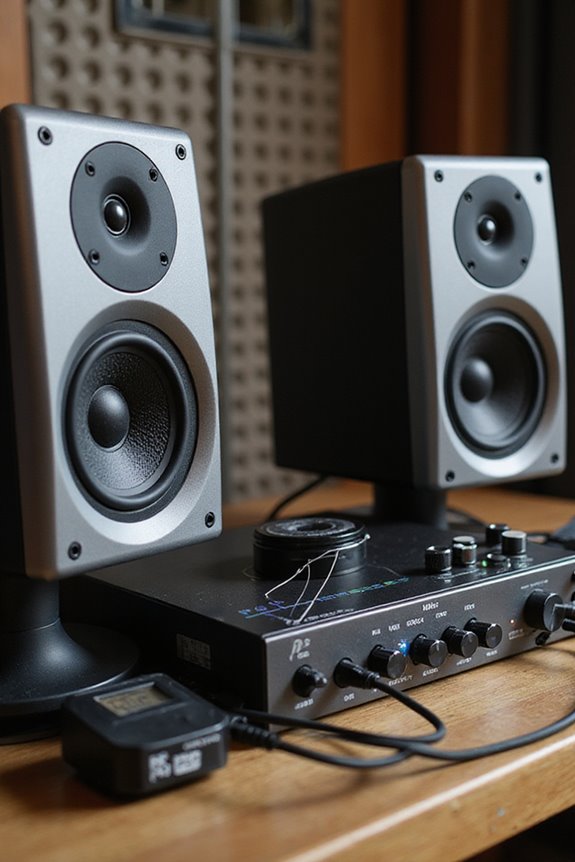
To truly experience the magic of sound, calibration and control play key roles once we’ve set up our studio monitors. When we ascertain calibrated loudness—typically around 78–85 dB at our listening spot—we maintain a consistent mix level, reducing ear fatigue. Think of it as our sound safety net!
To achieve perfect stereo imaging, we calibrate the left and right monitors for balanced volume. Even a tiny 0.5 dB difference can impact our mix decisions! Active monitors make this easy with built-in amplifiers, enhancing control and accuracy. Plus, clever software like Sonarworks adjusts for room acoustics, helping our mixes shine in any playback system. With proper calibration, let’s make our sound decisions clearer than ever! 🎶 Additionally, understanding frequency response range can greatly influence our mixing and listening experience.
Recommended Products

Featuring 8,192 levels of pressure sensitivity, 3 side switches, and the ability to customize by swapping the included grips or adjusting the weight and center of balance, the Wacom Pro Pen 3 is Wacom’s most advanced pen yet.
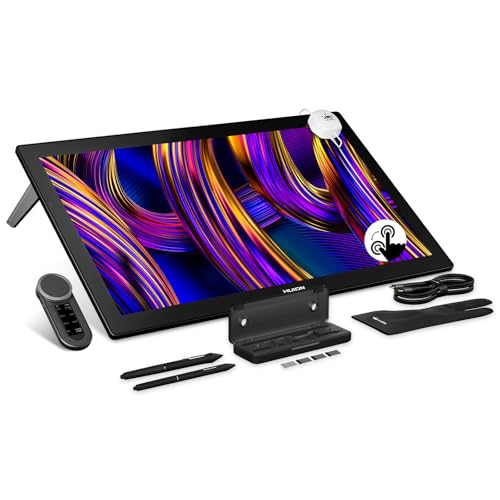
HUION's First 27-Inch 4K & 144Hz Display: The Kamvas Pro 27 (144Hz) art tablet combines a 4K UHD (3840x2160) screen with a 144Hz high refresh rate, ensuring exceptionally smooth and clear visuals that deliver the precision and immersion required for dynamic creative workflows. With a 140% increase in line display speed, every pen stroke is captured instantly and displayed without any lag

Frequently Asked Questions
Can Studio Monitors Enhance the Listening Experience for Casual Listeners?
Can studio monitors enhance casual listening for us? While they offer sound accuracy, their clinical nature might not always resonate emotionally. Still, some of us appreciate the intricate details they reveal in our favorite tracks.
How Do I Choose the Right Studio Monitors for My Space?
As we commence on this sonic journey, let’s weigh monitor specifications against our acoustic considerations. Together, we’ll find the perfect studio monitors for our space, harmonizing sound quality with the unique character of our environment.
Are Studio Monitors Compatible With Home Theater Systems?
Absolutely, we can integrate studio monitors into our home theater systems seamlessly. With proper studio monitor connections and thoughtful planning, we’ll enjoy accurate sound fidelity, enhancing our movie and music experiences together in style.
Can I Use Studio Monitors for Gaming Purposes?
Absolutely, we can use studio monitors for gaming! While they provide precise sound localization, they might lack the immersive experience some seek. Still, for clarity and detail, they’re a rewarding choice for dedicated gamers like us.
Do Studio Monitors Come in Different Sizes for Various Setups?
Yes, studio monitors come in various sizes tailored for different setups. We must consider acoustic aspects too; smaller monitors fit tight spaces, while larger ones excel in bigger environments, ensuring we find our ideal sound.