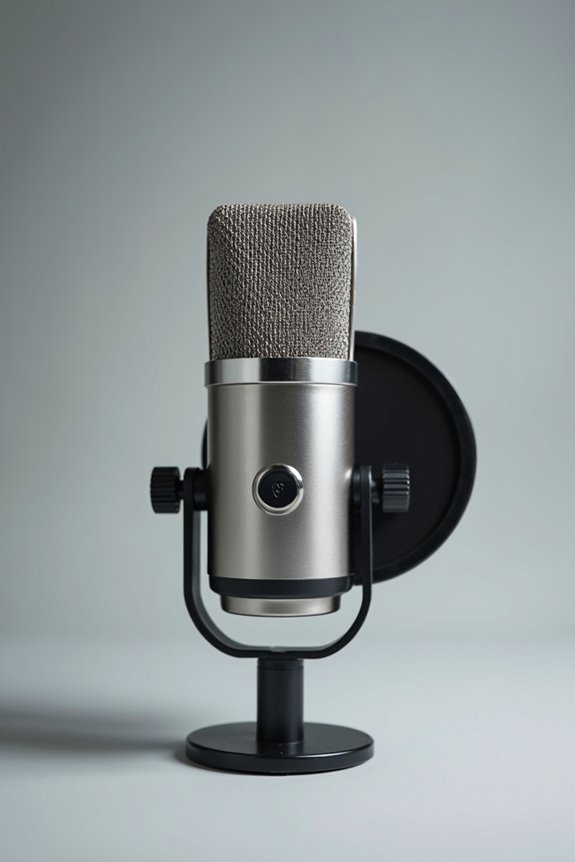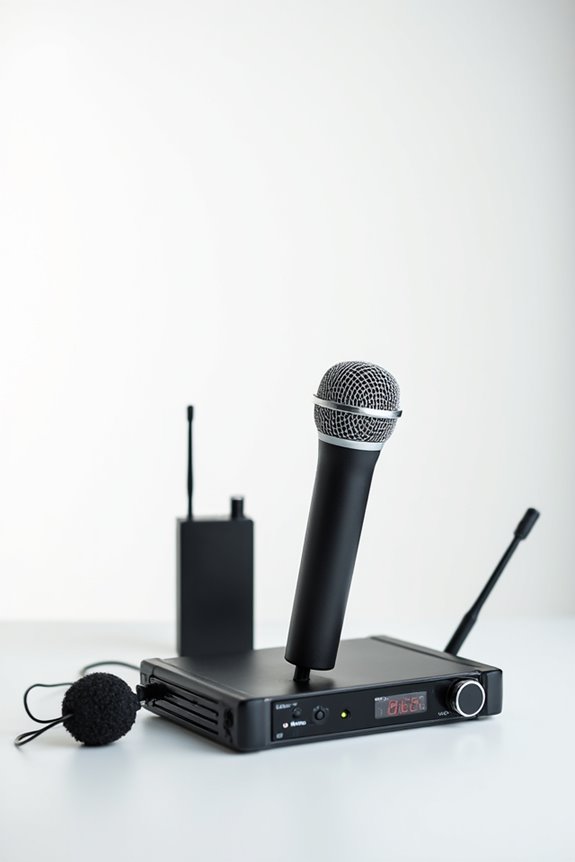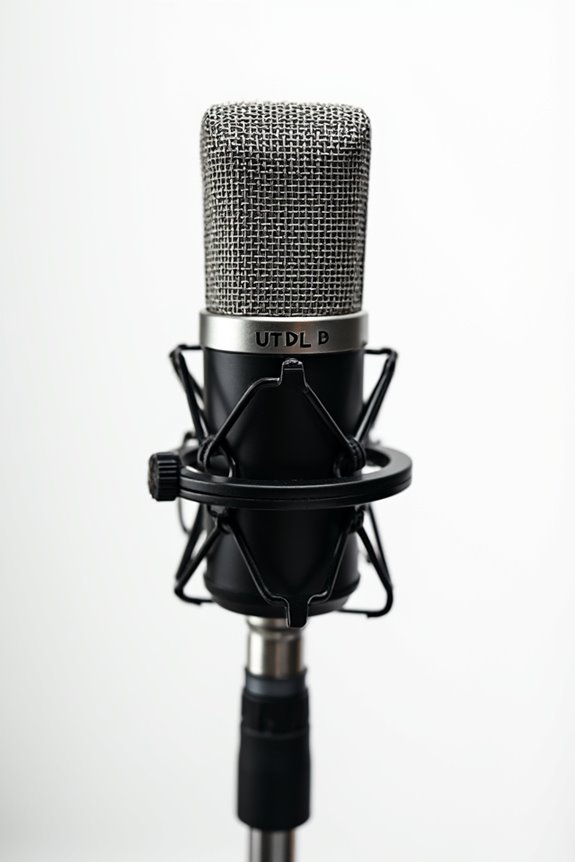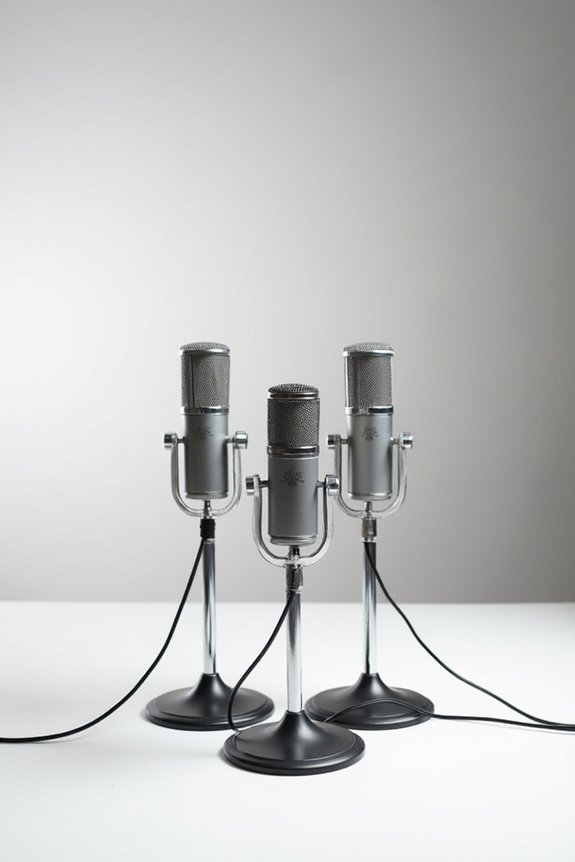
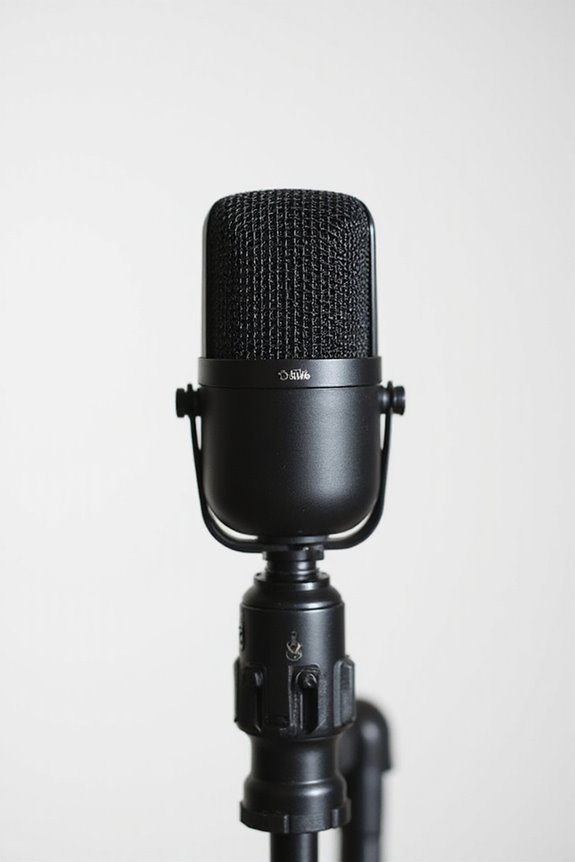

When it comes to the best microphone for vocals, we’ve got some solid options! For studio settings, consider the Audio-Technica AT4050 for its versatility, or the Rode NT1 for incredible quietness. If you’re performing live, the Shure SM58 is a classic choice! We recommend checking polar patterns and frequency response—ideally 50 Hz to 15 kHz for vocals. Adding accessories like pop filters and shock mounts can really enhance your sound! 🍏 Keep exploring to find your perfect mic!
Key Takeaways
- Dynamic microphones like the Shure SM58 are ideal for live performances due to their durability and warm sound qualities.
- For studio recordings, condenser microphones such as the AKG C414 XLII provide crystal clear sound and detailed tone capture.
- Consider the polar pattern; cardioid patterns effectively capture vocals while rejecting background noise for enhanced clarity.
- USB microphones offer convenient plug-and-play options for podcasting and home recording, suitable for those seeking simplicity.
- Essential accessories, like pop filters and shock mounts, improve vocal clarity and protect microphones against plosives and vibrations.
Overview of Microphone Types for Vocals
When it comes to choosing the best microphone for vocals, it’s essential to understand the different types available. 🎤 Whether you’re belting out tunes on stage or recording a soft ballad in the studio, knowing your options can make a world of difference!
Dynamic Microphones
These are tough, perfect for live performances and loud environments. Iconic models like the Shure SM58 and SM7B shine here!
Condenser Microphones
For studio applications, large-diaphragm condensers, such as the RØDE NT1, offer detailed sound—ideal for capturing every nuance!
Ribbon Microphones
They have that warm, vintage tone we love but require gentle handling. Additionally, selecting microphones with a frequency response of 50 Hz to 15 kHz can significantly enhance vocal tone capture.
You may be interested
Understanding these microphone types will help you make informed decisions for your unique vocal applications. Let’s make some beautiful music together!
Top Studio Condenser Microphones

Now that we’ve covered the different microphone types for vocals, let’s focus on studio condensers—these beauties are often the go-to for capturing that perfect vocal sound! 🎶 Studio condenser microphones are favored for their sensitivity and clarity, making them a top choice for home studios and professional setups alike. Additionally, understanding sound quality specifications can help you choose the right microphone for your vocal needs.
Recommended Products

The legendary AKG sound used on dozens of number-1-hits an enhanced version of the highly sought-after AKG C12 built 1953-1960.
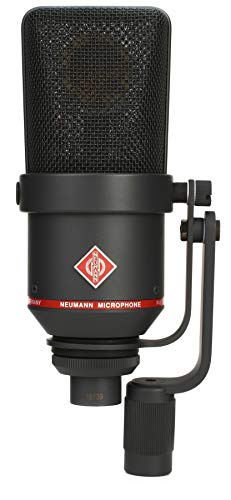
Large-diaphragm Transformerless Condenser Mic with 5 Switchable Polar Patterns

Custom-wound Manley output transformer for that big MANLEY sound!
Audio-Technica AT4050
- Versatile multi-pattern mic with three switchable polar patterns.
- Handles high SPL (149 dB) and includes attenuation pad.
Rode NT1
– One of the quietest mics at 5 dBA, perfect for close-miking.
Shure SM27
– Nuanced capture with an integral pop filter, covering a broad frequency range.
AKG C414 XLII
– Mimics vintage tones, ideal for treated spaces.
For best results, use proper microphone placement techniques and vocal recording tips to make magic happen!
Best Dynamic Microphones for Vocal Performance
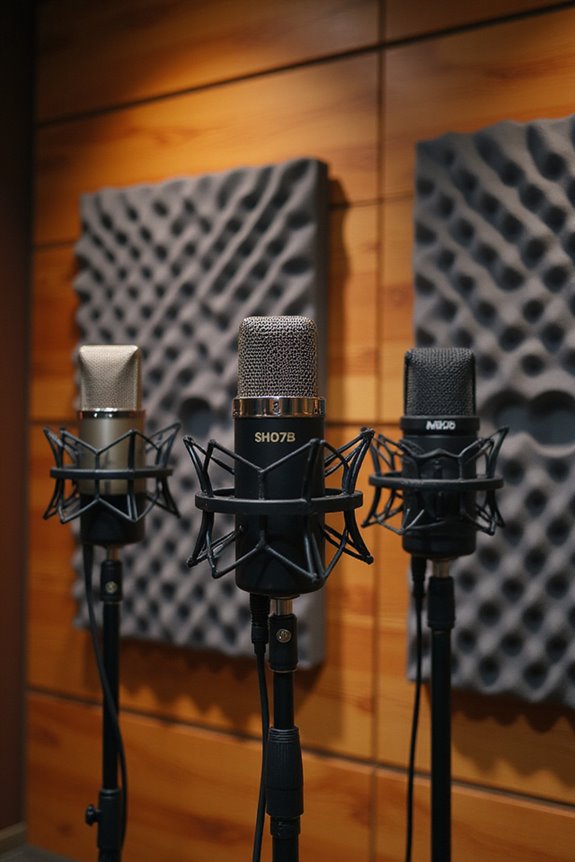
Dynamic microphones are essential tools for vocal performance, especially when you want to capture that raw energy on stage! 🎤 Unlike their condenser counterparts, which shine in quiet studio settings, dynamic mics thrive in loud environments, making them perfect for live gigs and boisterous performances.
When we consider dynamic microphone comparisons, the Shure SM58 stands out as a legendary choice, known for its durability and warm sound. The Sennheiser e835 and Telefunken M80 follow closely, offering excellent vocal clarity and feedback control. Additionally, the Sennheiser e945 shines in versatility while the Electro-Voice RE20 is a heavyweight champion in natural sound!
With robust designs, these mics guarantee vocal mic durability, allowing us to belt our hearts out without worry! 🎶
Recommended Products

Accompaniment Styles add a "backing band" when you play or perform for dynamic and professional results. Customize and personalize your music while maintaining control over chord changes and arrangements.

IP-5900 provides 6000W (Peak) of crisp clean power

Matched Pair Studio Grade Professional Large Diaphragm Vocal and Instrument Condenser Microphone with Rugged Aluminum Carrying Case. XLR Connector. Astounding sound quality for lead vocals and solo instruments
Key Features to Consider When Choosing a Vocal Mic
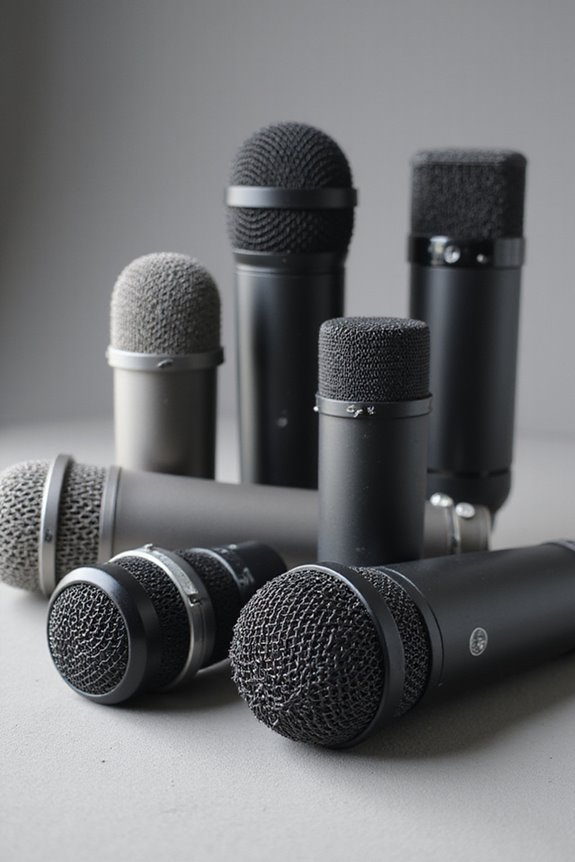
Choosing the right vocal microphone can be a game-changer for your performances! 🎤 Let’s break down some key features to help you find your perfect match.
Polar Pattern: A cardioid pattern is often best, as it captures sound from the front while rejecting background noise.
Frequency Response: Look for mics that emphasize the presence range (2-6 kHz) for clarity, and consider a slight boost to help your vocals shine.
Sensitivity Levels: Higher sensitivity captures soft whispers, while great SPL handling prevents distortion during louder moments.
Built-In Features: Options like low-cut filters and presence boosts can really enhance your sound.
Diaphragm Quality: Choose a large diaphragm for rich, detailed tones, and guarantee robust build quality for durability.
When selecting a microphone, consider signal-to-noise ratio to ensure effective isolation of your vocals.
With the right mic, you’re on your way to a fantastic vocal experience!
Recommended Products

Large-diaphragm Condenser Microphone

Three distinct tube microphones at the flip of a switch. FORWARD is bold, present and modern, but never harsh. NEUTRAL is smooth and earthy with a natural balancing of sibilant sounds. GENTLE is dark and sultry with a warm vintage feel, ideal for taming bright or abrasive sound sources.

Requires +48V phantom power
Application-Specific Microphone Recommendations
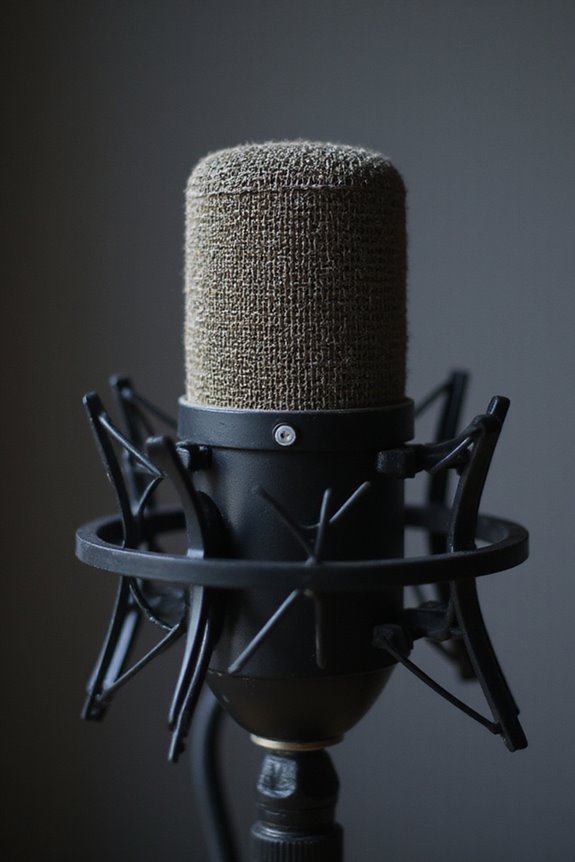
When it comes to finding the right microphone for your specific needs, we can’t stress enough how important it is to match your mic to your application! 🎤 Whether you’re in the studio, performing live, or recording a podcast, the choice of microphone can make a significant difference.
For studio recordings, consider the AKG C414 XLII for its crystal clear sound, or the Lewitt Pure Tube for silky smooth warmth.
For live performances, the Telefunken M80 shines with its rugged design and vocal clarity, while the Shure SM58 never goes out of style!
If you’re into podcasting, the Shure SM7B is legendary for its noise rejection. Additionally, using dynamic microphones can ensure robust performance in various settings, making them a great choice for live and studio environments.
Each mic is crafted to elevate your performance, so let’s find the right fit together!
Recommended Products

Full frame sensor - 47.3-Megapixel full-frame MOS sensor that provides a wide dynamic Range and excellent performance at high sensitivity (is 25600 Max sensitivity)

8 award-winning Midas PRO mic preamps and 8 Midas PRO outputs onboard

Full frame sensor – 24. 2-Megapixel full-frame (35. 6mm x 23. 8mm) MOS sensor that provides a wide dynamic Range and excellent performance at high sensitivity (is 51200 Max sensitivity)
Comparing Pricing and Value Across Microphone Options
Steering through the world of microphones can feel overwhelming, especially with so many options out there! 🎤 Thankfully, we’ve got a handy overview for you.
In comparing microphone pricing, we find some exciting value comparisons! Entry-level dynamic options like the Mackie EM-89D are priced between $50 and $68, perfect for live settings. Midrange choices, such as the Shure SM48-LC, sit around $55 to $85, striking a solid balance between durability and performance. For stunning studio quality, consider budget condensers like the Audio-Technica AT2020, about $100. If you’re aiming for high-end precision, the Audio-Technica AT4050 at around $700 is worth it! With careful consideration, you can enjoy great sound without breaking the bank. So, let’s find the one that fits your needs!
Notable Technical Advancements in Microphone Design
As we plunge into notable technical advancements in microphone design, it’s fascinating to see how far we’ve come! 🎤 The latest microphone innovations have revolutionized acoustic engineering. For instance, MEMS technology embeds tiny mics into devices, enhancing voice AI with high signal-to-noise ratios—perfect for noisy environments! And let’s not forget dynamic directional controls, allowing mics to focus on specific sound sources, making your recordings clearer.
Wireless technology has also transformed our approach, ensuring mobility without losing quality. Plus, digital microphones capture sound directly, improving fidelity and allowing for onboard noise suppression. Isn’t it amazing how these advancements make studio-quality audio achievable for everyone? With these tools, we’re all set to capture vocals like a pro! 🎶 Furthermore, features like dual connectivity options allow users to switch between XLR and USB, enhancing versatility for different recording setups.
Budget-Friendly Microphone Options for Home Studios
With all the exciting advances in microphone technology, many of us are enthusiastic to get our hands on top-quality gear for our home studios. If we’re on a budget, a few stellar options stand out!
Budget Condenser: Audio-Technica AT2020****
Around $100-$150, this mic captures lush vocal nuances with a cardioid pattern. With a frequency response of 20 Hz – 20 kHz, it’s a favorite among home studio enthusiasts!
USB Convenience: AuralNote V7****
Priced around $129, this USB mic simplifies setup! Plug it into your laptop, enjoy zero-latency monitoring, and get rich sound quality without the hassle of audio interfaces. Many choir microphones also provide excellent versatility for various recording scenarios.
Whether you choose a budget condenser or opt for USB convenience, you’ll find fantastic options that won’t break the bank!
Recommended Products

STUDIO CONDENSER UPGRADE — TLM 103 LARGE-DIAPHRAGM CONDENSER WITH ELASTIC SUSPENSION MOUNT: A bare TLM 103 ships with the rigid SG 2 swivel mount, which transmits desk and stand vibration straight into the take — you need an elastic suspension built for the body and the K 67/87 capsule it carries. This bundle pairs the Neumann TLM 103 with the official Neumann EA 4 elastic shock mount. Voice-over artists, audiobook narrators, broadcast engineers, and mastering professionals — drop the mic in the EA 4 cradle and track.

Large-diaphragm Cardioid Microphone with Aluminum Carrying Case

Large-diaphragm Cardioid Microphone in Wooden Jeweler's Box with 20Hz-20kHz Frequency Range
Essential Accessories for Vocal Microphones
Whether you’re setting up a home studio or simply want to improve your vocal recordings, having the right accessories is key to getting the best sound possible! 🎤 Essential accessories not only enhance the quality of your recordings but also prolong the life of your microphone.
Pop Filters help reduce plosive sounds from “p” and “b,” ensuring clarity while protecting your mic from moisture—essential for condenser mics!
Shock Mounts are vital too! They isolate your microphone from vibrations and noise, giving you clean, uninterrupted audio.
We can’t forget audio interfaces for converting analog signals to digital ones, providing professional-quality recordings. And let’s not overlook quality cables; XLR ones prevent noise interference. So, gear up and enjoy making amazing recordings! 🎶
Frequently Asked Questions
How Do I Maintain My Vocal Microphone for Optimal Performance?
To keep our vocal microphone performing at its best, we should prioritize regular microphone cleaning and practice good cable management. This way, we maintain sound quality and longevity, ensuring our shared passion thrives.
Can I Use a Condenser Mic for Live Performances?
Absolutely, we can use condenser mics for live sound! They offer incredible clarity and detail among microphone types. Just keep in mind their sensitivity and guarantee proper setup to minimize feedback. Let’s elevate our performances together!
What Microphone Is Best for Recording Background Vocals?
When exploring microphone comparisons for background vocals, we’ve found that condenser mics like the Rode NT1 excel in capturing detail. Using these microphones can elevate our background vocal techniques, ensuring harmony without overpowering the lead.
How Do Polar Patterns Affect Vocal Recordings?
When we consider how polar pattern types influence vocal recordings, we find microphone sensitivity plays a vital role. Each pattern uniquely captures sound, impacting clarity and atmosphere, helping us achieve the desired output for our projects.
Are USB Microphones Suitable for Professional Vocal Recording?
When considering if USB microphones are suitable for professional recording, we find their USB advantages like convenience and decent sound quality beneficial. However, they may not always meet high-end studio standards. It depends on our needs.