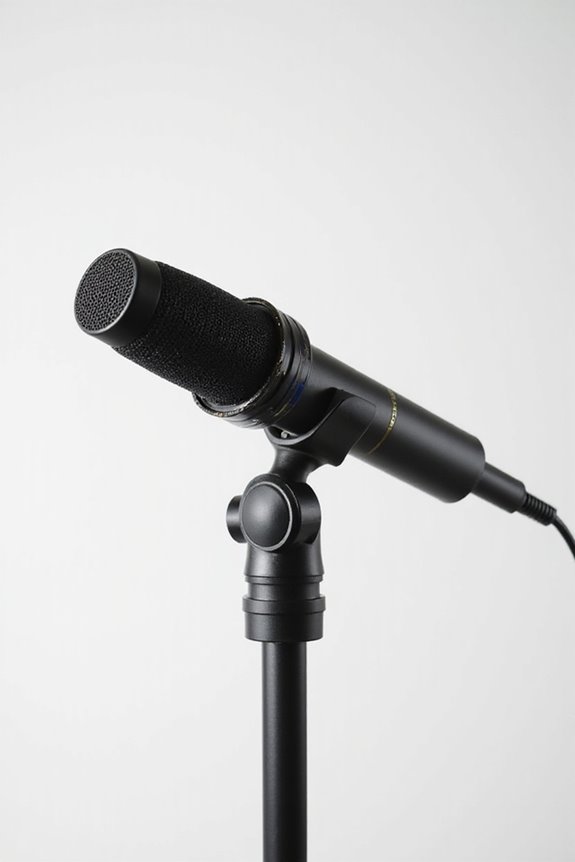

Absolutely, we can use shotgun microphones indoors, but we need to navigate some challenges! 🎤 Shotgun mics excel at capturing sound from a specific direction, which helps in isolating voices. However, indoor reflections can muddle our recordings. To tackle this, we should consider polar patterns like cardioid or supercardioid, and enhance our space with acoustic treatment. 🛠 Stay tuned, and you’ll discover more tips to guarantee you get crystal-clear audio indoors!
Key Takeaways
- Shotgun microphones can be used indoors but may pick up ambient noise and reflections, impacting audio quality.
- Indoor acoustic reflections can cause muddiness and phase issues in recordings, making careful mic placement crucial.
- Utilizing acoustic treatment, such as panels and bass traps, can enhance shotgun microphone performance indoors by reducing unwanted echoes.
- Cardioid or supercardioid microphones may be better options for indoor settings to minimize room noise while capturing clear dialogue.
- Consider alternative microphones like lavalier or dynamic mics for indoor recordings depending on the setting and mobility needs.
Understanding Shotgun Microphone Directionality
You may be interested
When you think about shotgun microphones, it’s easy to get lost in the technical jargon, but understanding their directionality can really enhance your audio capture game! 🎤 Fundamentally, shotgun microphones are designed with a highly directional lobar polar pattern. This means they excel at picking up sound from one specific direction while minimizing noise from elsewhere.
Their directional sensitivity peaks at 0°, decreasing sharply as we move off-axis. Imagine a narrow beam, focusing on our target source! Plus, the frequency response plays a crucial role; directionality improves as frequencies increase due to the interference tube’s magic.
In the world of recording, understanding this can help you choose the right microphone for your sound adventures—let’s get started on our audio journey!
Challenges of Using Shotgun Mics Indoors
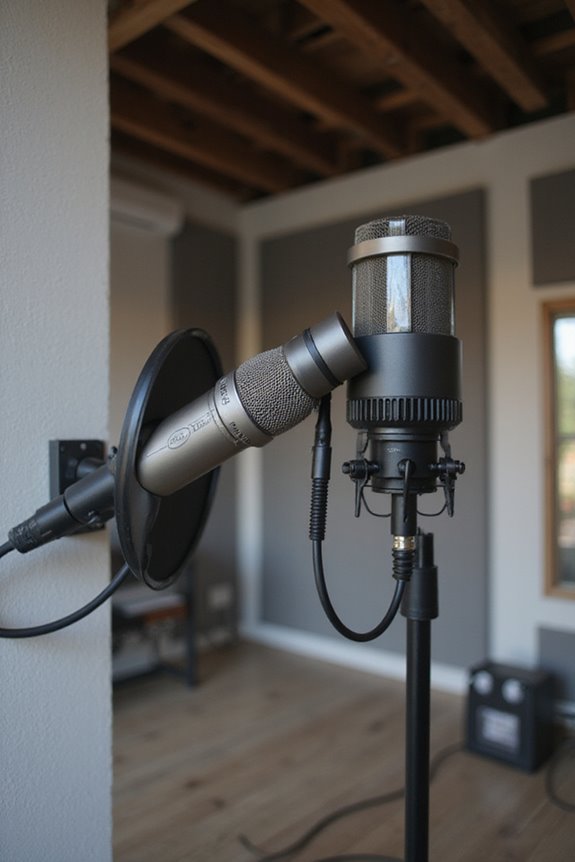
While you might think shotgun microphones are the perfect tool for every recording scenario, using them indoors can come with quite a few challenges! 🎙 Acoustic reflections and reverberation often wreak havoc on our pristine audio capture. These indoor acoustics can muddy our recordings, making dialogue sound unnatural.
Reflection challenges occur when sounds bounce off hard surfaces, causing confusion in the mic’s directional rejection. We also deal with phase issues—reflections can create phase artifacts, giving our audio a hollow quality.
To combat these troubles, we’ve got to carefully place our mics and consider room treatment. Avoid pointing them at reflective surfaces and use soft materials to dampen sound. Ultimately, knowing our environment helps us achieve the best results!
Recommended Products

Modern Wood Wall Panel Design: These wood panels for wall feature a clean 3D slat structure that enhances interior walls with depth and texture, delivering a refined, professional look for residential and commercial spaces.

High NRC Rated Core .95 or higher avg.

High NRC Rated Core .95 or higher avg.
Benefits of Polar Patterns for Indoor Recording
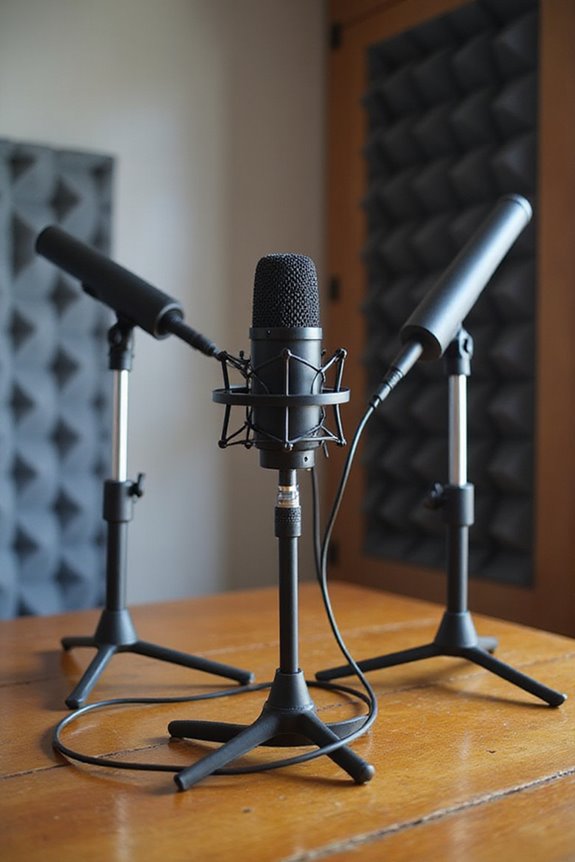
Polar patterns are like the roadmaps of microphone directionality, guiding how we capture sound in varying environments. 🎤 For indoor recording, understanding the benefits of these patterns can transform our audio quality!
Cardioid Advantages
Cardioid microphones excel in isolating sound from the front while rejecting noise from sides and rear, making them ideal for dialogue. This heart-shaped pattern minimizes room reflections, allowing us to focus on the speaker without extra distractions.
Supercardioid Benefits
Supercardioid microphones tighten their front pickup while offering slight rear sensitivity. Though we need to be careful about positioning, these microphones reject side noise brilliantly and capture voice clarity wonderfully. Additionally, ideal users of shotgun microphones can significantly enhance their indoor recording experience by selecting the proper polar pattern for their needs.
Recommended Products

Dual mini shotgun mics create frontal focus

Dual-channel Wireless Shotgun Mic: The shotqun microphone innovatively integrates a wireless RF module to support wireless transmission and single/dual channel options. providing a more fiexible solution for professional recording

Features: Designed for video production and broadcast (ENG/EFP) audio acquisition. Extremely short length (under 7") ideal for use with compact digital cameras. Provides the narrow acceptance angle desirable for long-distance sound pickup. Excellent sound rejection from the sides and rear of mic
Alternatives to Shotgun Microphones
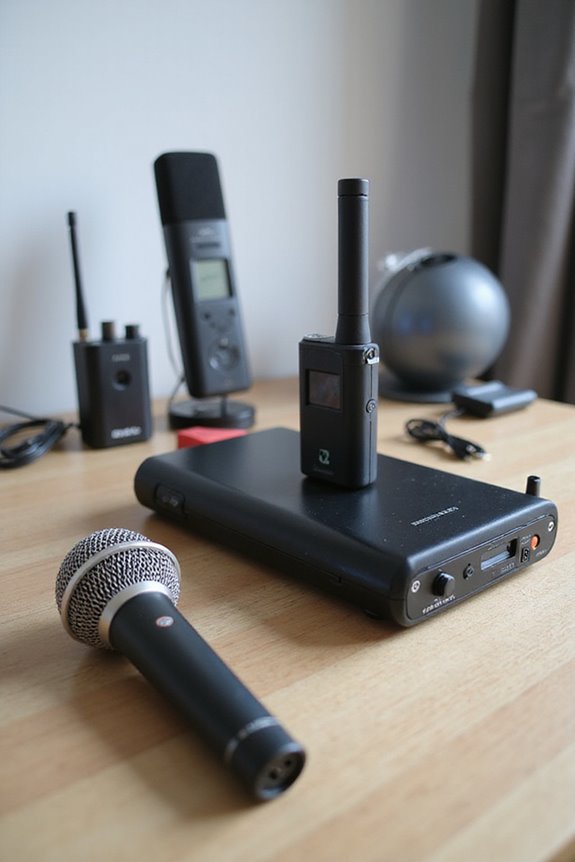
Exploring alternatives to shotgun microphones can open up a world of possibilities for indoor recording! 🚀 Depending on your specific needs, there are several great options that can compete well with the precision of shotgun mics.
Pencil Microphones are compact and excellent for tight spaces.
Lavalier Microphones let you move hands-free while providing close-mic’d audio, perfect for interviews and vlogging.
Condenser Microphones offer rich tonal quality and can be mounted easily, but they require quieter environments.
Boundary Microphones capture room sound well, ideal for conferences but less effective in noisy settings.
Lastly, Dynamic Microphones handle noise like champs and don’t need phantom power, making setup a breeze! These microphones, especially dynamic types, are often preferred for their ability to handle high sound pressure levels.
Each option has its perks, so let’s select what suits you best!
Recommended Products

【Next-Generation Robotic Companion: Meet the Unitree Go2 Robotic Dog】 The Unitree Go2 X is a powerful and intelligent quadruped robot designed for tech enthusiasts, researchers, and developers seeking ultimate performance and expandability. It measures 27.6""x12.2""x15.7"" and weighs just 33 lbs, yet carries up to 17.8 lbs and reaches speeds of 3.7 m/s. Its advanced joint mobility allows it to climb 40° slopes and overcome 6.3"" obstacles. An 8000 mAh battery provides 1–2 hours of operation.

Ultra HD 4K / 8MP 8 Channel NVR with (4) Bullet 2-Way Audio and (4) Dome 1-Way Audio H.265 HD 2160P 4K POE IP Camera Built-In Microphone Audio Recording
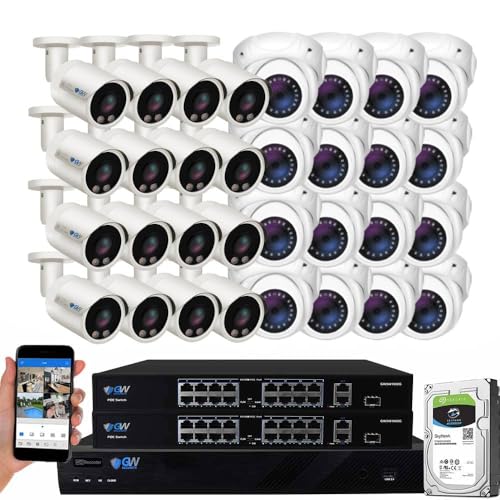
8.0 Megapixel Full HD Realtime Recording 32 Channel H.265 4K NVR with (32) 8MP 4K Weatherproof POE H.265 IP Bullet Cameras (Built-in microphone for audio recording and 2.8mm lens for 120° wide angle)
The Importance of Acoustic Treatment
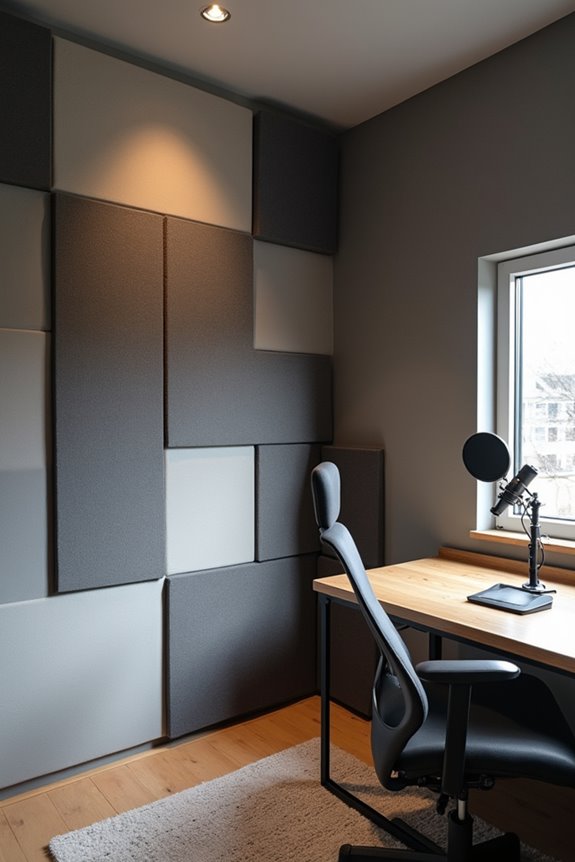
When we think about achieving great audio quality, acoustic treatment is a game changer! 🎤 Without it, our recordings can suffer from unwanted echoes and muddiness, making it hard for the listener to appreciate all the nuances. Proper treatment considerably enhances room acoustics by managing sound reflections and reverberation.
Key components like acoustic panels, bass traps, and diffusers are essential. Panels absorb mid to high frequencies, while bass traps tackle those low frequencies that often get trapped in corners. Additionally, using studio monitor isolation pads can further reduce vibrations and enhance sound clarity during recordings.
Strategically placing these materials transforms our spaces into balanced acoustic environments. This way, we reduce distractions and guarantee clearer recordings, especially for shotguns! Remember, a well-treated room is like a cozy blanket for our sound—inviting and warm, free of distortion!
Recommended Products

Spacious Soundproof Design for 5–7 People: Sound proof booth provides a quiet and private workspace with professional-grade acoustic insulation that reduces noise by 25dB ±5, ensuring crystal-clear communication and focus.

[ Low Noise Level ] Equipped with 2 layers of soundproof laminated glass, and Acoustic Insulation Structure walls 6 layers (Aluminum frame structure, Film-laminated Steel Panel, PET Sound-absorbing Board, Eco-friendly Acoustic Panel, Premium Textured Fabric), the booth achieves 35dB(±5dB) reduction, ensuring a peaceful, private workspace.

Secures 24U of EIA-standard 19 in. rack equipment up to 35 in. deep
Addressing Technical Challenges With Indoor Recording
While tackling the technical challenges of indoor recording might feel a bit intimidating, we can absolutely make it easier! 🎧 Indoor spaces present unique hurdles, like off-axis reflections and reverb, but understanding these issues helps us conquer them.
First, consider the reflection angles: both cardioid and hyper-cardioid shotgun mics are better indoors, as they reject off-axis noise more effectively. Next, placement is key! We should stay clear of hard surfaces to avoid sound interference, and maintaining around 12 inches from our speakers improves clarity. Additionally, using a microphone with an optimal frequency response can significantly enhance the quality of your recordings.
Lastly, let’s be mindful of handling noise. Shock mounts and foam windscreens can help! With the right approach, we can absolutely achieve quality sound indoors—let’s make it happen together!
Practical Strategies for Successful Indoor Recording
To achieve successful indoor recordings, we need to adopt practical strategies that combat the unique challenges our spaces present. 🎤 We’re not just fighting off-axis reflections and reverb but also managing microphone placement effectively!
Microphone Selection
Opting for cardioid or hyper-cardioid polar patterns helps reject unwanted sounds, while a short shotgun mic, like the Audio Technica BP4073, excels within 3 to 6 feet of the source.
Recording Techniques
Placing the mic overhead, around 3-6 feet away, strikes the right balance—avoiding distortion yet remaining close enough for clarity. Additionally, consider using microphones with built-in noise-cancelling technology to further enhance your recordings. Don’t forget to use sound-absorbing materials like foam panels to minimize echoes! 🛠 With these tips, we can capture great audio that shines indoors!
Recommended Products

Ideal video camera/camcorder microphone: Able to handle the most demanding filmic challenges

【48kHz/32-bit Float Recording,Professional Hi-Fi Sound Quality】The VM40 shotgun mic features a 14mm gold-plated microphone head with a super-cardioid directional design that accurately focuses on the sound source and effectively suppresses ambient noise. The VM40 supports 48kHz/32-bit floating-point recording, providing clear, lossless audio for fuller, more detailed recordings that restore the true sound of the voice.
Ideal Environments for Shotgun Microphones
Quiet, controlled settings like film or TV production studios are also great choices. Remember: the more we can reduce reverberation, the better our recordings will sound. So keep our spaces cozy and absorbent; after all, nobody wants echoes crashing our audio party! 😄
Frequently Asked Questions
Can Shotgun Microphones Capture Sound From Multiple Sources Indoors?
We’ve found that shotgun microphones struggle with multi source recording in indoor acoustics. Reflections and interference can muddy the sound, making it tricky to capture clarity and separation when multiple sources are present.
What Is the Ideal Distance for Placing Shotgun Mics Indoors?
When we consider shotgun mic placement, the ideal distance indoors is about 2 to 3 feet overhead. This helps us navigate indoor acoustics effectively, minimizing echo while capturing clear and focused sound from our subjects.
How Do I Prevent Handling Noise When Using Shotgun Mics?
To reduce handling noise, we should focus on proper handling techniques and utilize shock mounts for noise isolation. By minimizing movement and maintaining a relaxed grip, we can enhance our recordings and create cleaner audio together.
Are Shotgun Mics Suitable for Recording Musical Instruments Indoors?
Musical monitors may manipulate sound quality considerations. While we can use shotgun mics for certain instrument types indoors, we should choose wisely, weighing reflections and frequency responses to guarantee peak audio artistry and mastery together.
Can I Use Shotgun Microphones for Live Events Indoors?
For live event performances, shotgun microphones can present challenges with indoor acoustics. We should consider alternatives like small diaphragm condensers or wireless mics, which generally capture sound more naturally in complex environments.