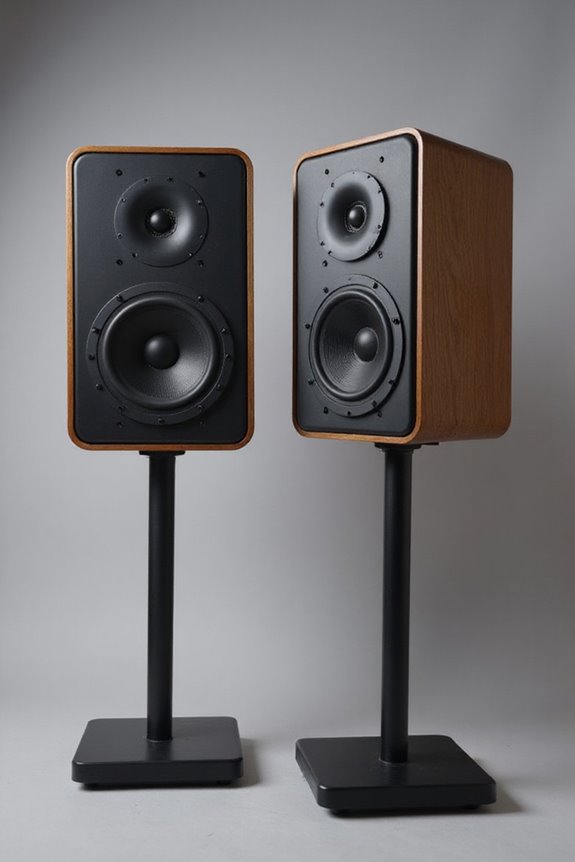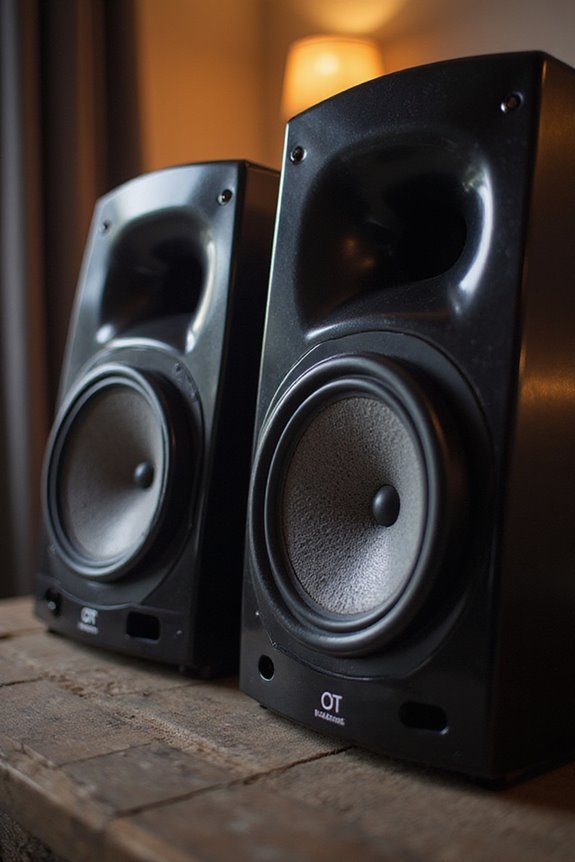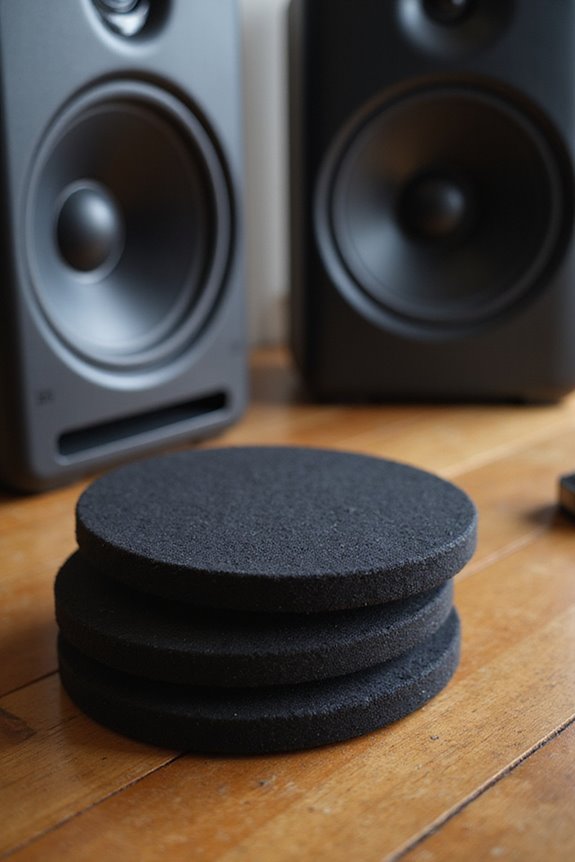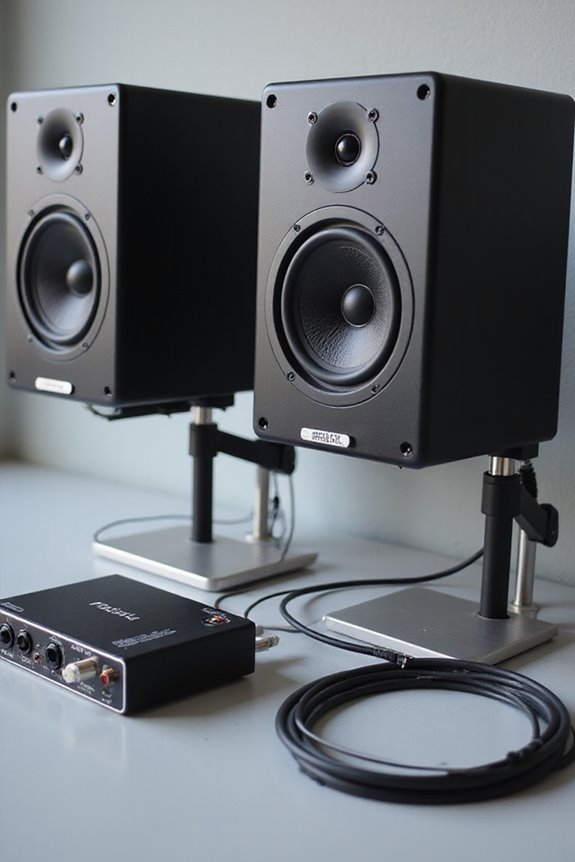
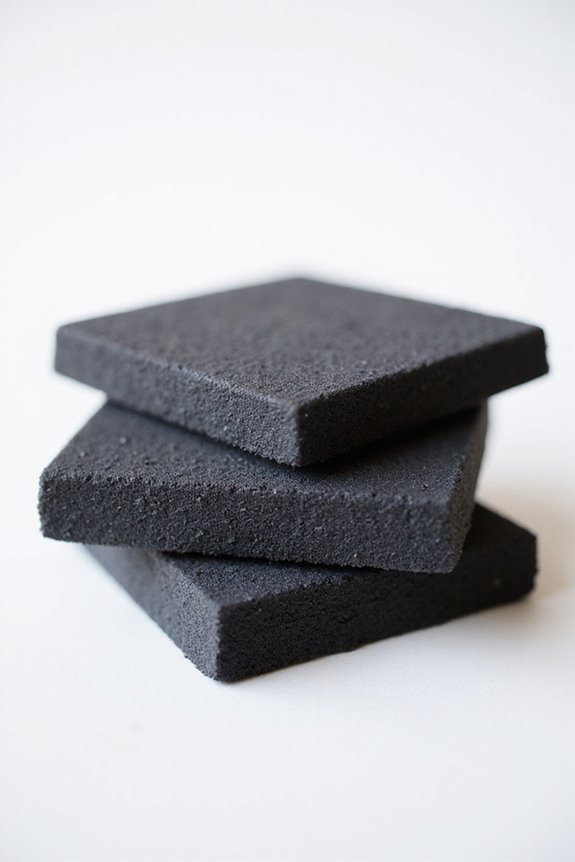

We can’t stress enough how important isolation pads are for your studio monitors. They absorb vibrations that can muddy your sound, helping to enhance clarity! 📊 Using high-density foam, like Auralex MoPADs, guarantees better dampening. Plus, they improve bass response and stereo imaging! 😄 If you want to elevate your audio game, investing in these pads is a smart choice. Stick around, and we’ll share even more tips to optimize your monitoring setup!
Key Takeaways
- Isolation pads reduce mechanical vibrations from studio monitors, improving overall sound clarity and quality.
- They help prevent muddiness and acoustic feedback by absorbing unwanted vibrations.
- Utilizing isolation pads enhances bass response and provides a tighter low-end sound.
- Proper vibration isolation leads to better stereo imaging and precise instrument placement in mixes.
- Isolation pads are a cost-effective investment that significantly improves audio performance in home studios.
The Importance of Vibration Isolation
You may be interested


When we immerse ourselves in the world of studio monitors, it’s essential to understand the significance of vibration isolation. 🎧 After all, those mechanical vibrations they produce can wreak havoc on our sound quality! These vibrations, stemming from various vibration sources, can transfer to our desks or stands, causing unintentional resonances. This leads to issues like muddiness and distorted low frequencies, making it hard to hear fine audio details.
If we don’t manage these vibrations, we risk facing annoying acoustic feedback, leading to a “boomy” sound in small studio rooms. So, let’s prioritize vibration isolation! By doing so, we can achieve that clear, accurate sound reproduction we all crave. It’s certainly worth the effort for our beloved music-making spaces! 🎶 Additionally, using high-density foam materials can greatly enhance the effectiveness of vibration absorption.
How Isolation Pads Improve Sound Clarity
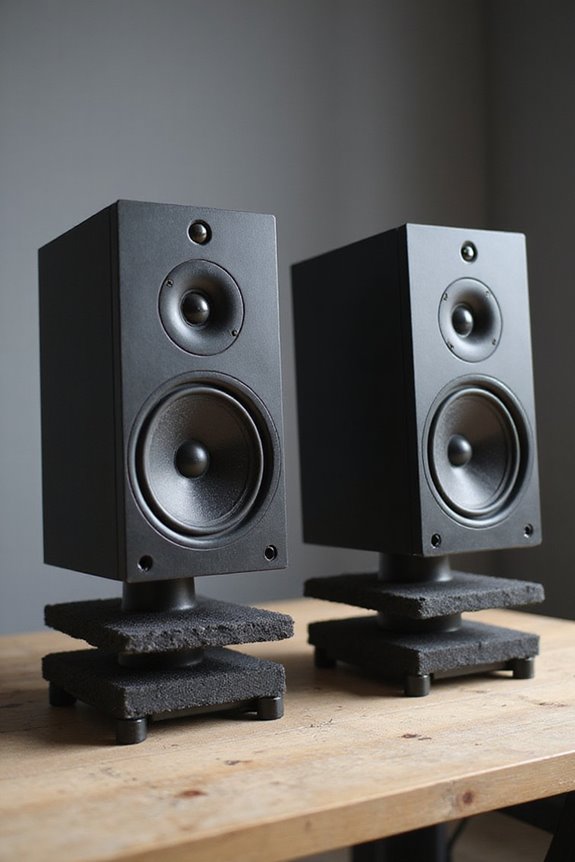
Isn’t it amazing how something as simple as isolation pads can greatly elevate our sound experience? 🌟 When we use these pads, we reduce vibrational distortion, which helps us achieve true sound clarity. By absorbing vibrations, they prevent muddiness in audio output, preserving the original tone we crave.
Plus, isolation pads enhance bass response, giving us a tight and defined low end—perfect for accurate mixing decisions. 🎶 With improved stereo imaging and soundstage depth, we can pinpoint instruments and effects with greater auditory precision. Additionally, using high-quality audio interfaces can further enhance our recording experience by ensuring clear sound capture.
Ultimately, these pads create a stable environment for monitoring, ensuring consistency and confidence in our audio. So, let’s embrace the clarity that isolation pads bring to our studio monitors!
Recommended Products

17” (432mm) Wide x 15” (381mm) Depth. 1.2” (30mm) Thick. 25 lbs (11.3 kg) weight capacity.
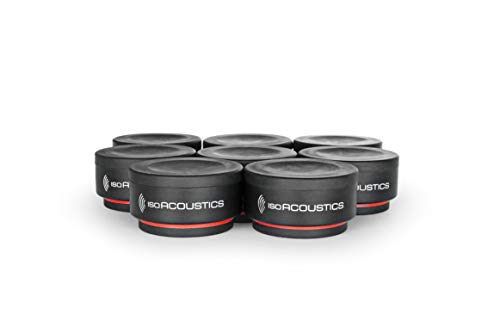
Weight capacity: 6 lbs (2.75 KG) per unit. It is recommended to use 3 or 4 units under each speaker. The total weight capacity is 18 lbs when using 3 units and 24 lbs when using 4 units.
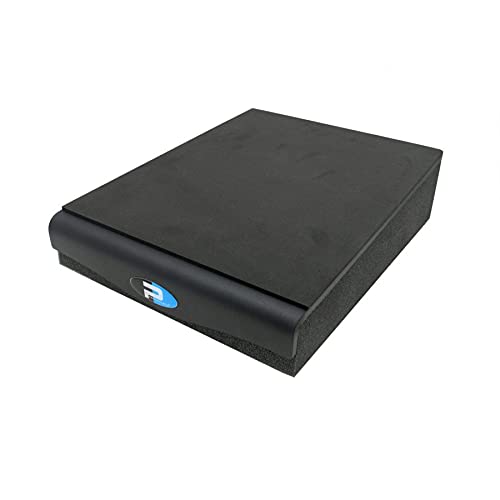
Angled Monitor Isolation Pad with 5% Downfiring Angle
Material Choices for Effective Isolation
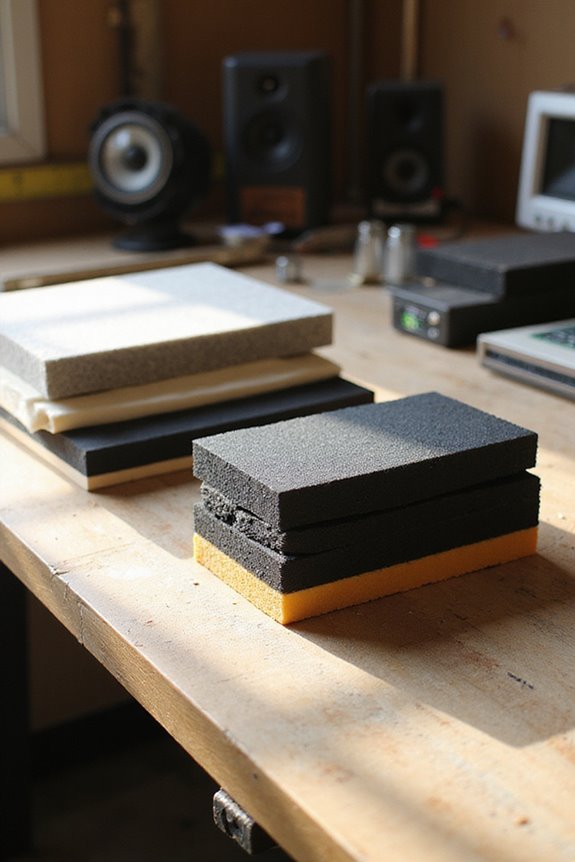
Choosing the right material for isolation pads can make all the difference in your studio sound! When selecting your pads, we need to evaluate foam density and rubber elasticity. High-density foam, like what’s found in Auralex MoPADs, offers better vibration absorption for heavier monitors. On the other hand, rubber provides outstanding dampening due to its natural elasticity. If you’re feeling DIY, neoprene can be a great option!
Layered pads combining materials like MDF and foam create a balanced approach, minimizing unwanted speaker motion. Remember, thicker pads absorb lower frequencies better, while the right dimensions help distribute weight and prevent compression. Additionally, investing in quality materials ensures that your monitors deliver studio-quality sound as you create your music. So, let’s invest in quality materials, ensuring our monitors sound as good as they look!
Recommended Products


Ultra Plush Comfort for Side Sleepers – Extra-soft cushioning gently cradles your body, relieving pressure on shoulders and hips—ideal for side sleepers and those seeking cloud-like softness.
Comparing Isolation Pads to Speaker Stands
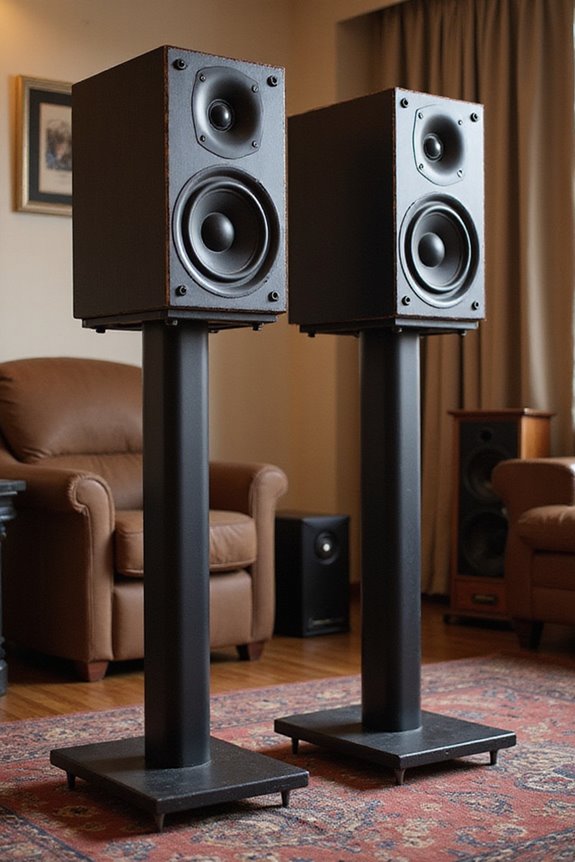
While both isolation pads and speaker stands play essential roles in optimizing your studio monitors, they serve different purposes that can profoundly impact your sound experience! Isolation pads excel in vibration reduction, enhancing sound clarity. They absorb vibrations, preventing distortion from pesky reflection! On the other hand, speaker stands offer stand stability and the adjustable height you need for perfect ear-level alignment, improving your mixing accuracy.
Combining the two? Brilliant! Pairing isolation pads with sturdy stands maximizes isolation effectiveness, giving you the best of both worlds. Think sand-filled stands for extra stability and resonance control! It’s important to ensure proper monitor positioning to achieve the best sound quality. So, whether you prioritize height or isolation, we’ve got options to suit every studio setup. Let’s elevate your sound together!
Recommended Products

You Get: Two 4 Packs SVS Sound Path Subwoofer Isolation System
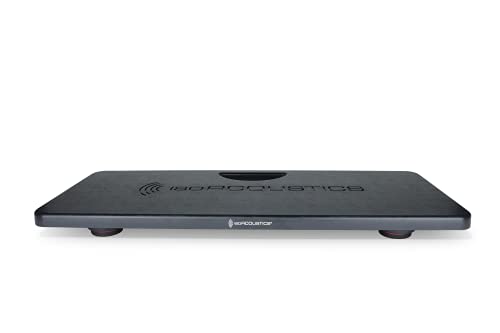
Portable isolation board with integrated Isolators.

Amplifier/Loudspeaker Isolation Riser
Key Selection Criteria for Isolation Pads
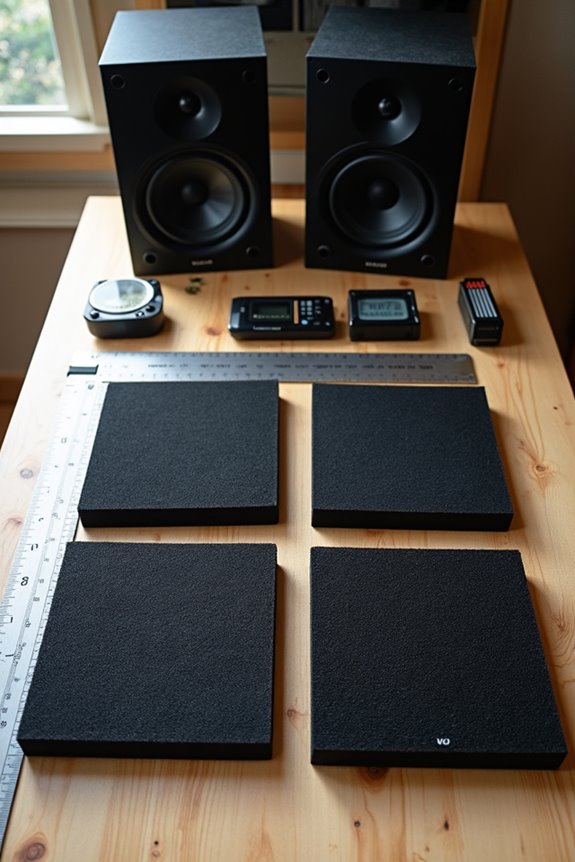
When it comes to selecting the right isolation pads for your studio monitors, understanding key criteria can really elevate your sound game! 🎧 So, let’s break it down into essential factors that you should consider.
Pad Dimensions: It’s vital that your pads match your monitor size. Oversized or undersized pads can throw off stability and sound quality.
Density Variations: Higher density materials absorb vibrations effectively. Combining materials like urethane foam and neoprene can also boost performance!
Thickness: Thicker pads are better for absorbing lower frequencies, while density impacts how well vibrations are minimized.
Adjustable Features: Some pads allow you to tilt your monitors, directing sound right to your ears—because, let’s face it, we want all those juicy details!
Recommended Products

🔇Professional Acoustic Treatment: LEIYER Acoustic Panels is perfect for individuals to reduce and absorb unwanted echoes, waves, reverb, and flutter echoes. Reduce echoes and increase creative musical inspiration and Gaming sound effect experience. LEIYER 35kg/m³ High-density acoustic wall panels soundproof wall panels can install on walls or doors.The larger the sound panelscoverage area, the better the noise reduction effect.
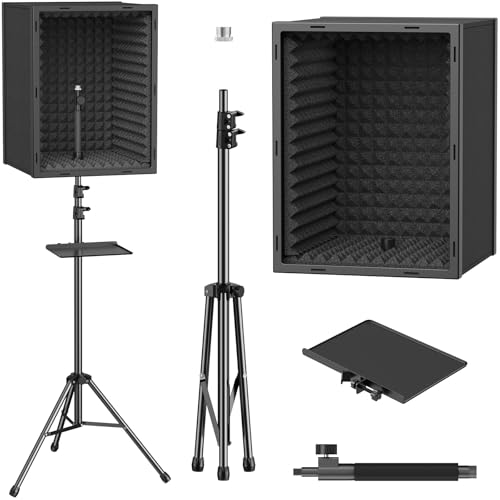
Sound Absorption & Isolation: This vocal booth features a box design combining five high-density foam and sound absorbing panel boards. This setup effectively eliminates echoes and reflections while reducing ambient noise. It prevents 96% of indoor reverb, producing a dry, clear sound to significantly improve your recording clarity
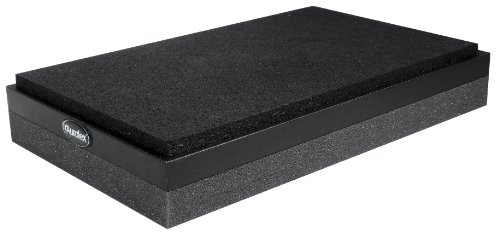
Provide sonic isolation between your studio monitors and whatever they're resting on.
Practical Testing of Isolation Pads
As we plunge into the practical testing of isolation pads, you’ll quickly discover just how much these unsung heroes can impact your audio experience! 🎶 Whether you’re cranking up the bass or fine-tuning vocals, isolation pads reduce unwanted vibrations and enhance sound clarity.
In our tests, varying pad heights and tilt adjustments showed noticeable effects on soundfield accuracy. We found that proper vibration damping leads to clearer low frequencies and a more defined stereo image. Additionally, monitors with flat frequency response ensure that the sound you hear is true to the original recording.
While DIY solutions might save a few bucks, they often lack the precision of commercial pads. So, if you’re serious about your sound, investing in quality isolation pads could be your ticket to a cleaner listening experience! After all, every little detail counts!
Impact on Mixing and Production Quality
The impact of isolation pads on mixing and production quality can’t be overstated! They’re like the secret sauce for sound clarity! By reducing vibrations and resonance, these pads enhance mixing precision and maintain production integrity, so we hear what we’re really working with. With clearer audio reproduction, we can detect subtle mix elements like reverb tails and background details. Plus, they help manage bass response, leading to tighter low-end performance. It’s easier to balance levels and make EQ decisions when our monitors aren’t fighting with surfaces. And who wouldn’t want to reduce listener fatigue during those long sessions? So, let’s give our ears the treat they deserve and get those isolation pads in place! 🎶 Additionally, they complement studio monitors that feature excellent frequency response, allowing for a more accurate listening environment.
Use in Untreated Rooms
While you might think that untreated rooms are a nightmare for monitoring, the good news is that isolation pads can make a noticeable difference! We face untreated room challenges every day, but fear not—these simple solutions can help.
Isolation pads decouple our studio monitors from surfaces, reducing unwanted vibrations that can cause muddiness in sound. They create a gap that lessens boundary interference, improving clarity and stereo imaging. Just imagine, even affordable foam pads can yield a cleaner sound, helping us decipher our mixes better!
Plus, many pads allow us to angle our monitors for ideal listening. So don’t sweat it if your space isn’t perfect; with isolation pads, we can tackle those issues together and enjoy richer, clearer sound! 🎶
Alternatives to Isolation Pads
When hunting for alternatives to isolation pads, we can explore several effective solutions that don’t compromise on sound quality! For those of us who love a DIY challenge, we can create our own isolation pads using dense foam, yoga mats, or even neoprene sheets. These DIY solutions can be tailored for our specific monitor needs!
Alternatively, rubber pads offer great durability and stability while absorbing vibrations effectively. Isolation stands or platforms take it a step further by decoupling our monitors from desks. For a minimalist approach, speaker isolation pucks deliver targeted vibration dampening under each monitor corner. So, whether we’re crafting our own versions or sourcing reliable alternatives, we’ve got options to enhance our sound without breaking the bank! 🎶
Recommended Products

【Removable Panels】- The Fiberglass acoustic panels come with mental template and nails for you to hang in the ceiling or wall, it will be much stable, No worry about...
Balancing Cost and Acoustic Benefits
Balancing cost and acoustic benefits is essential for any home studio enthusiast looking to achieve great sound without breaking the bank. By investing in isolation pads, we can enhance our studio monitors’ performance without a hefty price tag. These pads reduce unwanted vibrations, leading to clearer, more accurate sound!
Consider options like higher density foam, which may cost more upfront but offers better durability and performance—think of it as an acoustic investment. Over time, cheaper pads can compress, costing us more in replacements. Ultimately, it’s about finding that sweet spot between cost efficiency and the sonic improvements we crave. Don’t overlook this simple upgrade—better sound is just a pad away! 🎶
Frequently Asked Questions
How Do I Know if My Monitors Need Isolation Pads?
To determine if our monitors need isolation pads, we should consider their placement. If we’re noticing a lack of sound clarity or excess boominess, using pads might greatly enhance our monitoring experience together.
Can I Make My Own Isolation Pads at Home?
Imagine we’re in a garage band, crafting our sound. Absolutely, we can make DIY isolation pads with effective materials. By experimenting with unique soundproofing techniques, we’ll enhance our audio game while bonding over our creative process.
Do Isolation Pads Affect Monitor Aesthetics or Design?
When we think about isolation pads, their aesthetic considerations and design impact really matter. They blend seamlessly into our studio setups, enhancing both functionality and visual appeal, making our creative spaces feel more professional and organized together.
Are There Specific Brands Recommended for Isolation Pads?
When we think about isolation pad brands, we consider Auralex for versatility, Primacoustic for stability, and Ultimate Support for precision. Each option enhances monitor compatibility, fostering a collective journey toward improved sound quality in our creative spaces.
How Long Do Isolation Pads Typically Last?
When considering how long isolation pads last, we should think about durability factors and material quality. Generally, high-quality pads last 3-5 years, but this can vary based on usage and environment. Let’s choose wisely together!