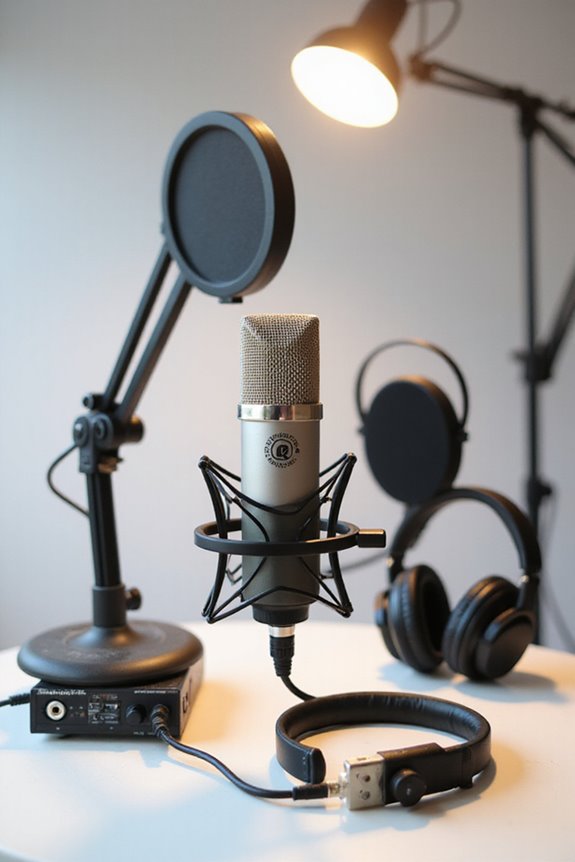

Building a studio on a budget is totally doable! First, we should assess our budget, including hidden costs like acoustic treatment and furniture. Next, we’ll invest in essential gear, like a Focusrite Scarlett 2i2 audio interface and a Shure SM57 mic. Don’t forget quality studio monitors! We’ll create an acoustic-friendly space with bass traps and panels, plus choose budget-friendly DAWs like Reaper. Ready to learn more about smart storage solutions and expanding our studio? Let’s go! 🎶
Key Takeaways
- Assess your total budget, including hidden costs like acoustic treatment and furniture to avoid overspending.
- Prioritize essential equipment like an audio interface, quality microphones, and studio monitors for effective recording.
- Explore budget-friendly options for gear, considering reputable brands and used equipment for savings without sacrificing quality.
- Create an acoustic-friendly space using DIY techniques like bass traps and acoustic panels to optimize sound without breaking the bank.
- Choose cost-effective software and DAWs, testing trial versions before investing in features that align with your goals.
Understanding Your Budget and Needs
You may be interested
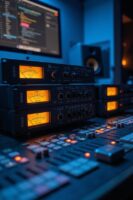
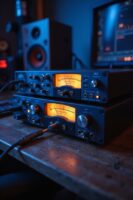
Have you ever wondered how to set up a studio without breaking the bank? 🎤 Well, it all starts with understanding your budget and needs. First, we gotta assess our overall budget allocation—don’t forget those sneaky costs like acoustic treatment and furniture! You’ll want to measure your space, too; knowing the square footage helps estimate the necessary treatment and soundproofing.
Next, let’s factor in any hidden expenses, like labor costs for modifications. It’s wise to include buffer funds for unexpected costs—nobody likes surprises, right? Keeping track of our budget estimates guarantees we stay ahead of inflation trends, too! Remember, incorporating all the essentials creates a welcoming space for your creativity without overspending. Additionally, investing in quality audio interfaces for audiobooks can significantly enhance your recording quality without stretching your budget. Let’s make it happen together!
Essential Equipment for a Home Studio
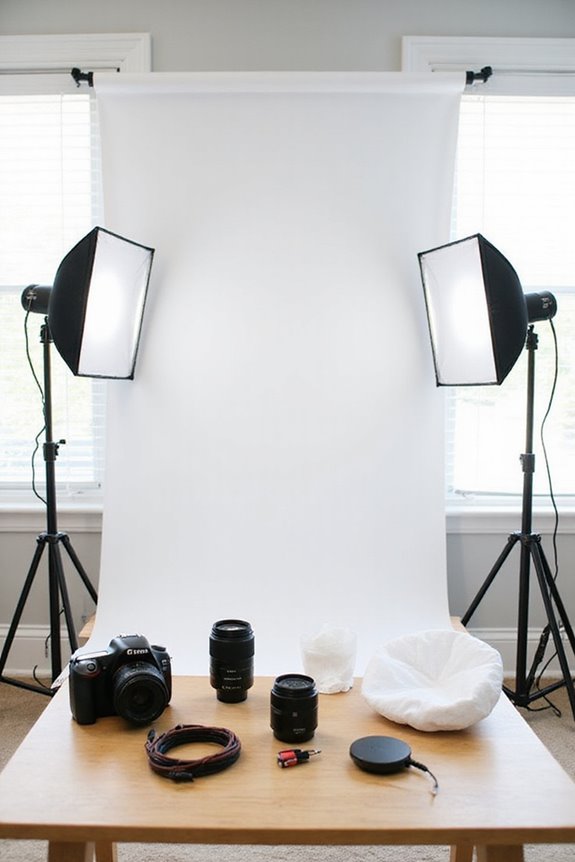
Setting up a home studio can be an exciting adventure, and having the right equipment is crucial! 🎧 To get started, let’s talk about some essential gear that’ll help you record and produce music like a pro—without emptying your wallet.
- Audio Interfaces: These connect your microphones and instruments to your computer. Look for low-latency options with multiple inputs, such as those supporting 24-bit depth for optimal sound quality.
- Recording Microphones: A large-diaphragm condenser mic, plus a dynamic mic like the Shure SM57, can cover most needs.
- Studio Monitors: Choose models with flat frequency response for accurate mixing, like the Yamaha HS series.
- MIDI Controllers: Perfect for controlling virtual instruments easily.
- Headphone Amplifiers: Enhance listening precision with good-quality headphones.
Don’t forget good cable management and some basic soundproofing materials to keep things tidy and quiet!
Recommended Products

13.2 CH A/V Receiver (150W + 150W 8ohms, 1kHz, 2ch, THD 0.9%)

For Recording Studios and Touring
Tips for Choosing Quality Gear
Prioritize Core Gear Value****
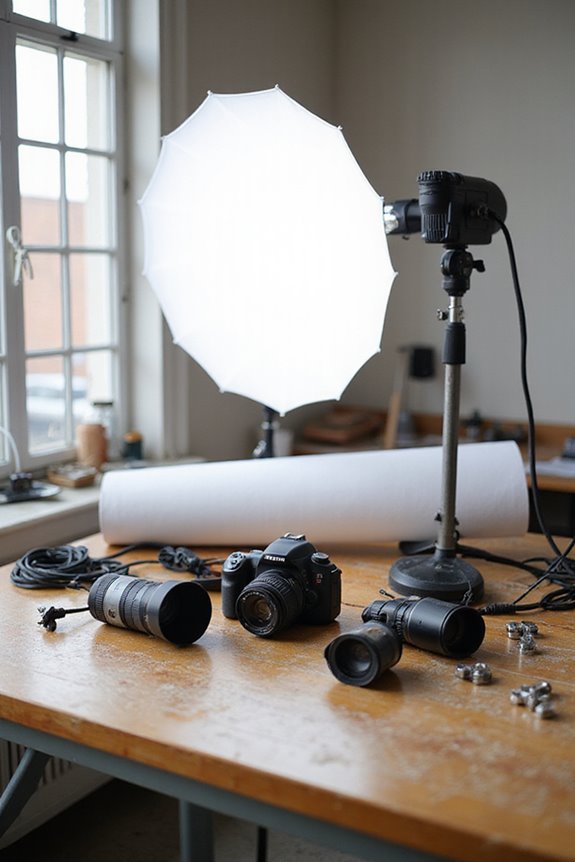
Look for reputable budget gear like the Focusrite Scarlett 2i2, known for reliability and clear sound. For quality microphones, dynamic mics like the Shure SM57 and budget condensers like the Røde NT1-A deliver great recordings without emptying our wallets. Additionally, consider audio quality standards such as sample rates and bit depth to ensure professional-level recordings.
Bundles are our Friends
Bundles with mic stands and XLR cables can save us money while ensuring compatibility. Don’t forget to explore used gear options—they often hold hidden gems! Let’s pick wisely, build our studio, and enjoy the creative journey ahead!
Creating an Acoustic-Friendly Space
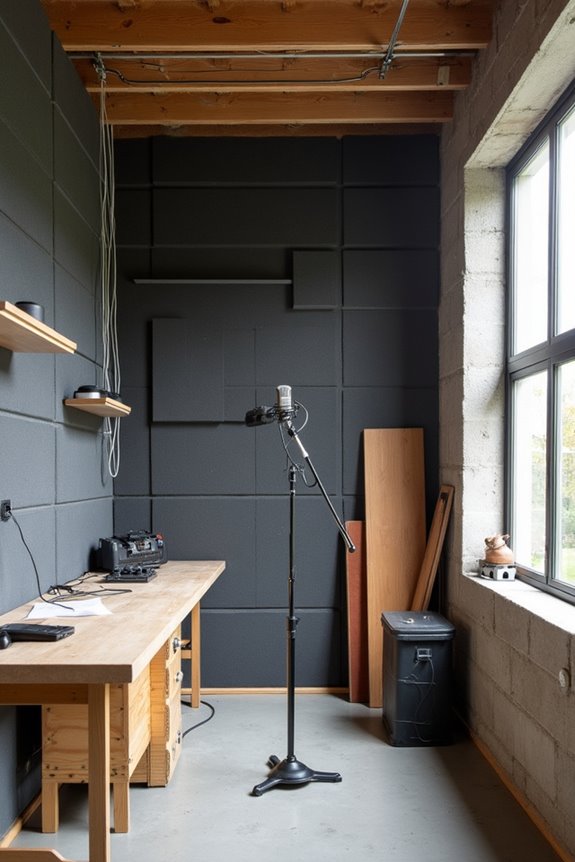
Creating an acoustic-friendly space is essential for anyone serious about their sound, especially since a great studio setup can transform your recordings! To start, we need to evaluate acoustic treatment and soundproofing techniques.
Bass Traps: Place large Bass Traps in corners to reduce low-frequency buildup—don’t worry, they’re not just for the big guys! Stuff deep voids like ceiling cavities with rockwool for an easy DIY option.
Acoustic Panels: Mount these symmetrically on walls to tackle mid and high frequencies, ensuring a balanced sound.
Early Reflection Treatment: Use panels to catch those sneaky early reflections—your mix will thank you!
Selecting the Right Software and DAW
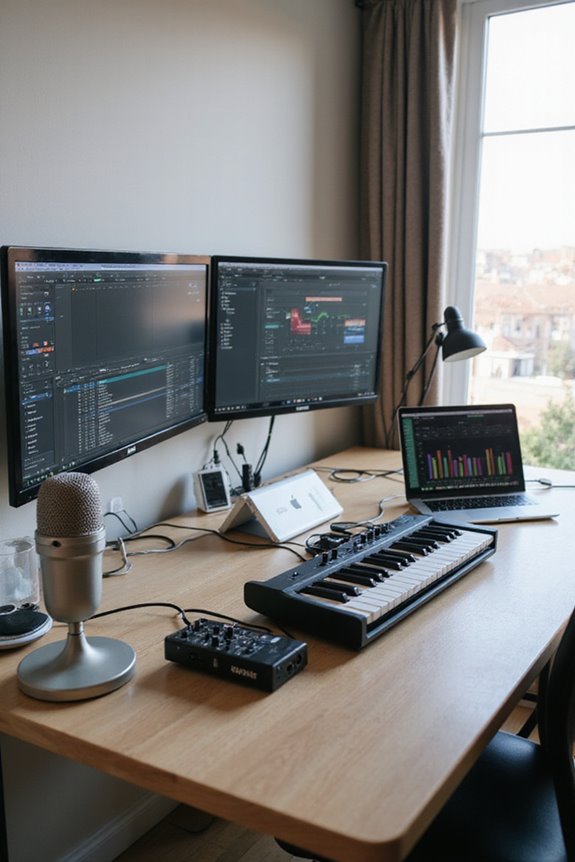
Now that we’ve set up a space that sounds as good as it looks, let’s talk about the heartbeat of any studio: the software. Choosing the right DAW is key! In our DAW comparisons, we should consider our unique goals, whether it’s beatmaking or recording. For budget-friendly options, Reaper offers flexibility for just $60, while FL Studio, starting at $99, is perfect for electronic music lovers. Check out software features like built-in instruments to save cash. If you’re on a Mac, Logic Pro’s extensive loops might appeal to you! Don’t forget trial versions—they’re a great way to see if the software fits your vibe before committing. Let’s find the perfect DAW to elevate our creativity! 🎶 Additionally, consider user-friendly features of the software to enhance your workflow efficiency.
Recommended Products

The 88-note, GHS weighted action is heavier in the low keys and lighter in the high keys, just like an acoustic piano
Storage Solutions for Your Music Projects
Whether you’re diving into your next music project or simply storing past creations, having the right storage solutions can make a world of difference! For effective music storage, we recommend starting with external hard drives from brands like Western Digital or Seagate—they’re budget-friendly and reliable. If speed’s your jam, consider investing in a Samsung T7 SSD. For serious producers, a Network Attached Storage unit like Synology lets you access your music across devices. Additionally, utilizing high-quality audio interfaces can enhance your recording experience and streamline your workflow. Don’t forget about organization techniques! Wall-mounted shelving and cable organizers can keep your studio tidy and efficient. And remember, there’s nothing worse than tangled cables! By prioritizing quality storage, we’ll keep our inspirations safe and our creative spaces inviting!
Strategies for Cost-Effective Setup
When you’re setting up a music studio on a budget, it’s essential to approach it with a strategic mindset. First, let’s think about the studio layout. Start with essential gear: a reliable audio interface and good studio headphones like the Audio-Technica ATH-M50x. For cost-effective monitors, check out the PreSonus Eris E3.5 or IK Multimedia iLoud Micro Monitors. Don’t forget about gear maintenance—using appropriate cables and ensuring ergonomic setups will keep us comfortable and productive. Acoustic treatment can be inexpensive! Use DIY solutions like rockwool panels and soft furnishings to enhance sound quality. Additionally, investing in a quality audio interface with high-resolution audio capture can significantly improve your recordings. Finally, leverage free software and online tutorials to elevate our craft without breaking the bank. We can do this together!
Recommended Products

Accompaniment Styles add a "backing band" when you play or perform for dynamic and professional results. Customize and personalize your music while maintaining control over chord changes and arrangements.

48 Input Channels, 36 Total Busses, PAFL Bus, 12 Stereo Mix (Aux or Group) + Main

Mix and record through AAX DSP plugins with rock-solid sub-1 ms latency monitoring
Expanding Your Studio Over Time
As we think about expanding our studio over time, it’s important to take our time and plan wisely! 🌱 Choosing the right moment for growth can make a significant difference.
When considering a new studio space, layout planning is vital. We might want larger lobbies or better location considerations for our clients! Negotiating vendor contracts, especially leases, can be complex—don’t forget to budget time to review those terms! Incremental upgrades can elevate our equipment and soundproofing options, enhancing the overall client experience. Think about DIY acoustic treatments for budget-friendly solutions!
Every step should align with our growth, so let’s stay patient and strategic, ensuring our expansion reflects who we are and where we want to go.
Recommended Products

Modern Wood Wall Panel Design: These wood panels for wall feature a clean 3D slat structure that enhances interior walls with depth and texture, delivering a refined, professional look for residential and commercial spaces.
Frequently Asked Questions
What Should I Prioritize First When Building My Home Studio?
When we’re building our home studio, we should prioritize essential equipment like a quality microphone and audio interface, along with effective acoustic treatment to create a space where our creativity can truly thrive together.
Can I Use My Existing Computer for a Budget Studio?
Absolutely, we can use our existing hardware if it meets performance requirements. By choosing budget software that aligns with our setup, we’ll maximize our potential without overspending, creating a welcoming space for our creativity to flourish.
How Can I Improve Sound Quality Without Expensive Equipment?
To improve sound quality without expensive equipment, we can focus on acoustic treatment. Let’s explore DIY solutions like fabric-wrapped panels and bass traps—it’s a rewarding way to elevate our sound and feel accomplished together!
What Are Common Mistakes to Avoid When Setting up a Studio?
Setting up our studio feels like crafting a symphony; if we ignore the layout or gear compatibility, the music’s discordant. Let’s learn from common mistakes to build a creative haven together, avoiding pitfalls that stifle our artistry.
How Do I Know When to Upgrade My Gear?
When considering if it’s time to upgrade our gear, let’s evaluate any persistent issues or compatibility problems. Upgrade signals often include workflow bottlenecks or the need for specific features to meet our evolving creative goals.