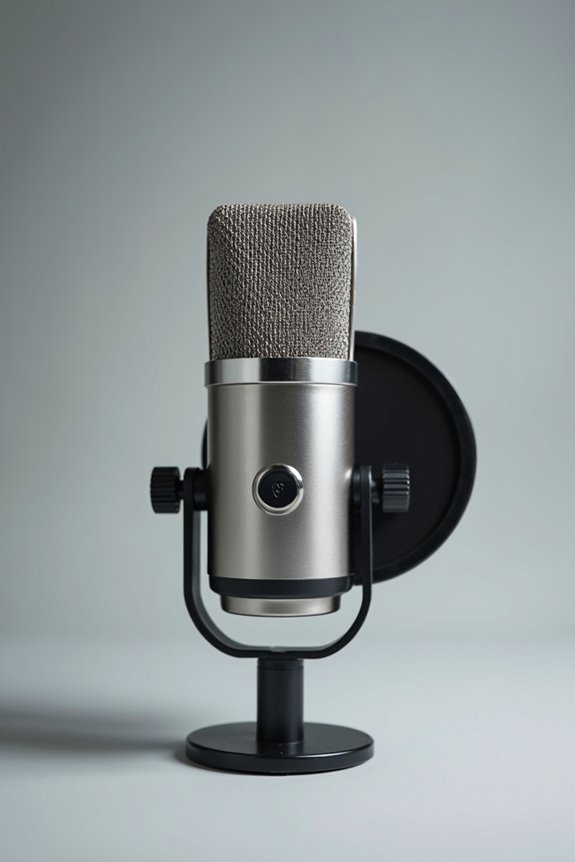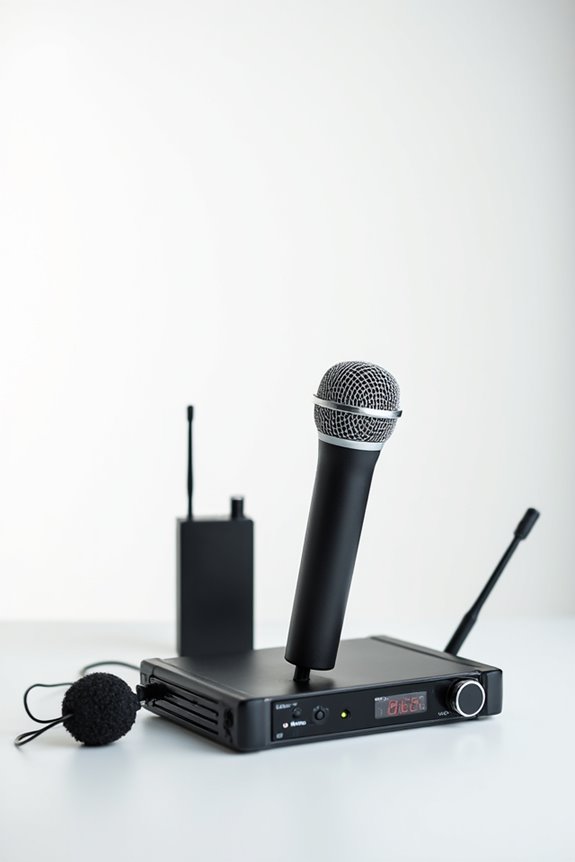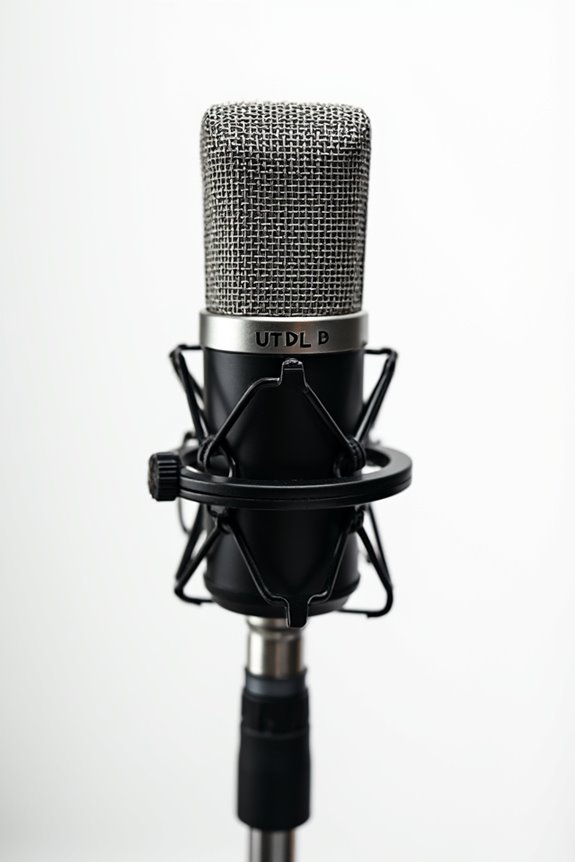


When choosing a microphone for streaming, we recommend starting with the type: dynamic for noisy spaces or condenser for studios. Evaluate key features like audio clarity, sensitivity, and connectivity options such as USB or XLR. Popular choices include the Shure MV7 for pro sound and the HyperX QuadCast S for added flair with RGB lighting! Don’t forget accessories like pop filters to enhance your setup. Keep following along, and you’ll reveal more tips to boost your streaming audio! 🎤🎮
Key Takeaways
- Determine your budget to balance quality and affordability, considering entry-level to high-end microphones based on your streaming needs.
- Choose between dynamic and condenser microphones; dynamic mics excel in noisy environments while condensers capture finer nuances in quieter settings.
- Evaluate connectivity options; USB mics are user-friendly for beginners, while XLR mics provide higher fidelity and flexibility with mixers.
- Assess microphone features such as audio clarity, built-in noise reduction, and customizable options like RGB lighting for enhanced usability and aesthetics.
- Prioritize proper microphone positioning and testing to minimize background noise and optimize sound capture for an improved streaming experience.
Understanding Microphone Types
You may be interested
When it comes to streaming, choosing the right microphone can make all the difference in your audio quality and overall experience! 🎤 So, let’s explore the various microphone types, each with its unique features and benefits.
Dynamic Microphones
These mics excel in durability and reject background noise, thanks to their dynamic characteristics. They’re perfect for untreated rooms and ideal for close-miking during streams!
Condenser Microphones
With their sensitivity and wider frequency range, condenser advantages shine in studio settings. They capture nuances but can pick up unwanted sounds, so use them wisely!
USB Microphones
Convenient for beginners, these plug-and-play devices come in both dynamic and condenser types, catering to your needs effortlessly.
Evaluating Key Features
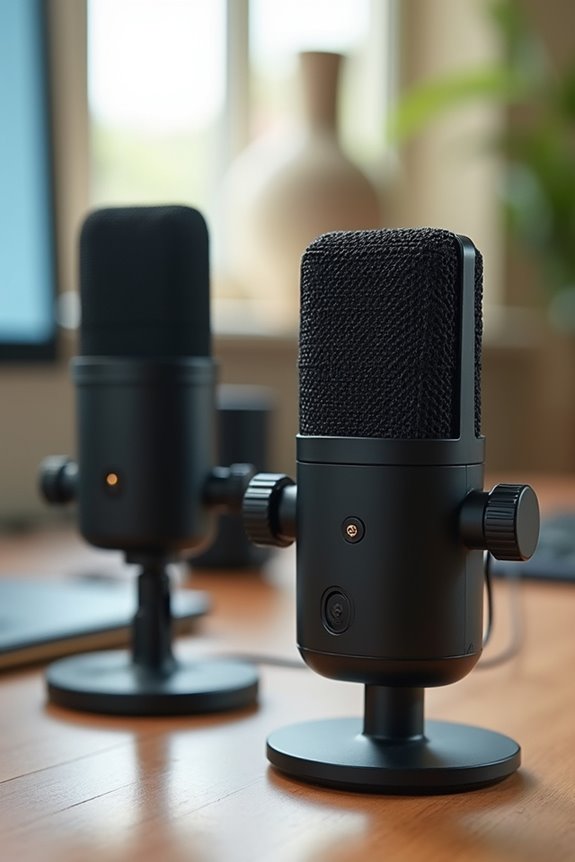
Choosing the right microphone can feel overwhelming, but understanding the key features is essential for achieving the best audio quality for your streams! 🎤 With several factors to contemplate—including audio clarity, microphone sensitivity, connectivity, build, and extra features—you’ll want to carefully evaluate how each element aligns with your streaming goals.
For audio quality, we recommend microphones that minimize background noise and enhance vocal clarity. Dynamic mics work wonders in noisy spaces, while condensers excel in quieter settings. USB options offer easy setup, whereas XLR provides higher fidelity for the pros. Don’t forget about build quality; durable mics with integrated shock mounts can save you from unexpected interruptions! And, let’s just say, RGB lighting is pretty flashy—literally!
Recommended Products

Bundle Items Include: 1 x Canon XA60 Professional UHD 4K Camcorder, 1 x Lilliput A7S 7" Full HD Monitor, 1 x Sony ECM-VG1 Electret Condenser Microphone, 2 x SanDisk SecureDigital 64GB Extreme PRO Memory Card, 2 x BP828 Replacemnt Battery, 1 x BP820 Replacement Charger, 1 x 58mm 3 Piece Filter Kit, 1 x Professional Heavy-Duty Aluminum Tripod, 1 x Soft Bag, 1 x LED Light, 1 x 58mm Wide Angle Lens, 1 x 58mm Telephoto Lens, 1 x Memory Card Reader, 1 x High Speed Mini HDMI to HDMI Cable and more..

Package Includes: (1) Arturia AudioFuse 16Rig 16-Channel USB-C Audio & MIDI Interface, (1) Rockville RCM PRO Studio/Recording Condenser Microphone, and Required Cables (XLR, 3.5mm, USB)

This camera bundled comes with manufacturer in box accessories as well as bundled accessories. The camera comes with a Sony 1-Year Manufacturer Warranty
Popular Microphones for Streaming
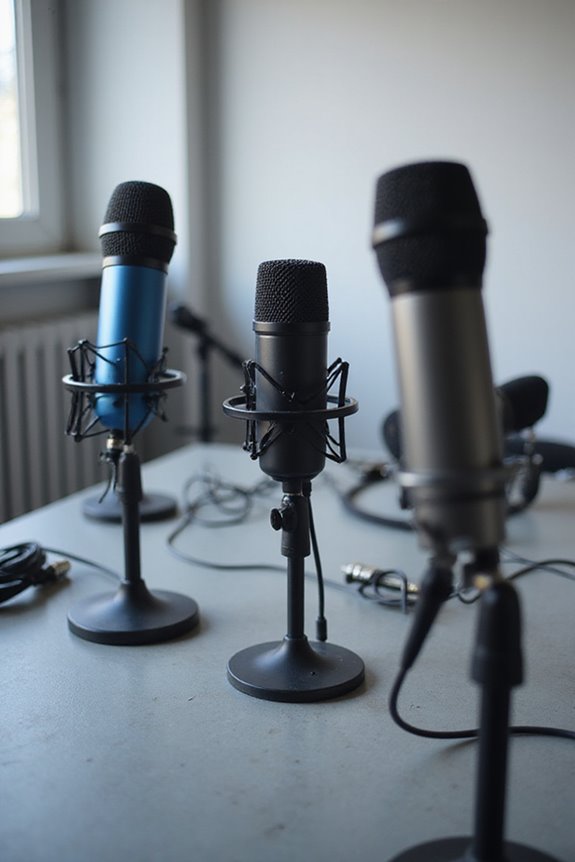
While browsing through the countless options available, we can appreciate that selecting the right microphone for streaming doesn’t have to be an intimidating task! Here are some popular choices you might want to examine:
Shure MV7: This dual USB and XLR mic offers professional-level sound clarity, perfect for quality-focused streamers!
HyperX QuadCast S: With its built-in shock mount, pop filter, and customizable RGB lighting, it suits beginners exceptionally well.
Elgato Wave Neo: Known for its impressive background noise rejection, it’s ideal for gamers passionate about their streams!
Logitech Yeti Studio: A fan-favorite for live streaming, it balances ease of use and professional features.
Rode PodMic: This rugged mic is designed specifically for spoken voice, perfect for those lively streams!
Additionally, high sensitivity ratings are crucial in ensuring that your microphone captures clear sound, enhancing your streaming quality.
Let’s jump in!
Recommended Products

PERFECT FOR BROADCAST: Designed as the perfect studio camera for ATEM switchers, this model has a 6K sensor up to 25,600 ISO, EF lens mount, HDMI out, SDI connections, 7" HDR LCD with sunshade, built-in color correction, built-in microphones, built-in hardware live streaming, and recording to USB disks.

PERFECT FOR BROADCAST: Designed as the perfect studio camera for ATEM switchers, this model has a 6K sensor up to 25,600 ISO, EF lens mount, HDMI out, SDI connections, 7" HDR LCD with sunshade, built-in color correction, built-in microphones, built-in hardware live streaming, and recording to USB disks.
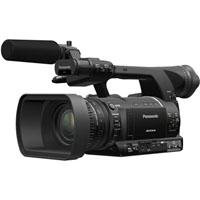
1/3"-Type 2.2 MP 3MOS Image Sensor w/ Integrated 22x (28-616mm Equiv) Lens
Price Range and Value Considerations
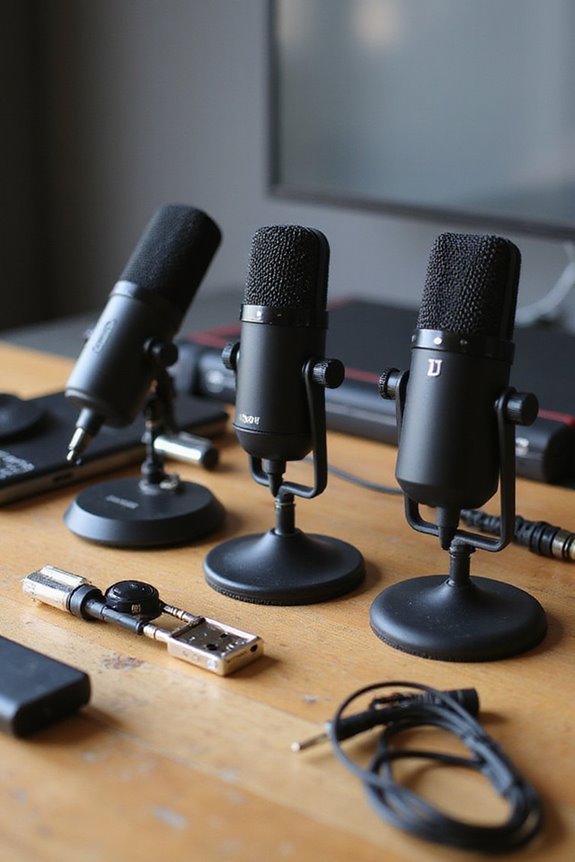
After exploring some popular microphones for streaming, it’s time to think about price ranges and what they mean for your setup! 🎤 Understanding budget constraints is key. Entry-level mics can be found for under $50, which is great for beginners. However, when we shift to the $80-$100 range, we see better sound clarity and noise reduction. For those of you with a flexible budget, mid-range options offer versatile features, like multiple pickup patterns!
If you’re ready to up your audio game, high-end microphones, starting at $300, deliver exceptional sound fidelity and professional reliability. Dynamic microphones are great for live recordings with background noise rejection, making them an excellent choice for streamers. Balancing your sound preferences with the right microphone can make all the difference in your streaming experience! Happy mic hunting!
Recommended Products

SELF-LIT PIXELS: LG's signature OLED technology creates an incredible watching experience and stellar picture quality illuminated with over 8 million self-lit pixels. Take in rich and accurate colors from the brightest to darkest parts of the scene thanks to 100% Color Volume* and with 100% Color Fidelity.

DIGIC X PROCESSOR WITH 8K VIDEO: Offers outstanding definition and realism with 16x the resolution of FHD video and an ISO range of 100-51200 (expandable to 102400) for crisp and vibrant photos and movie-theater-quality videos at up to 8K/60P .Operating Temperature : 0 – 40 °C (32 – 104 °F).

INCREDIBLE IMAGE QUALITY: Features Super 35 image sensor with native resolution of 6144 x 3456 and an active EF/EF-S lens mount; 13 stops of dynamic range to capture even the slightest details; Dual gain ISO up to 25,600 to minimize grain and noise in all lighting conditions.
Impact of Usage Environment
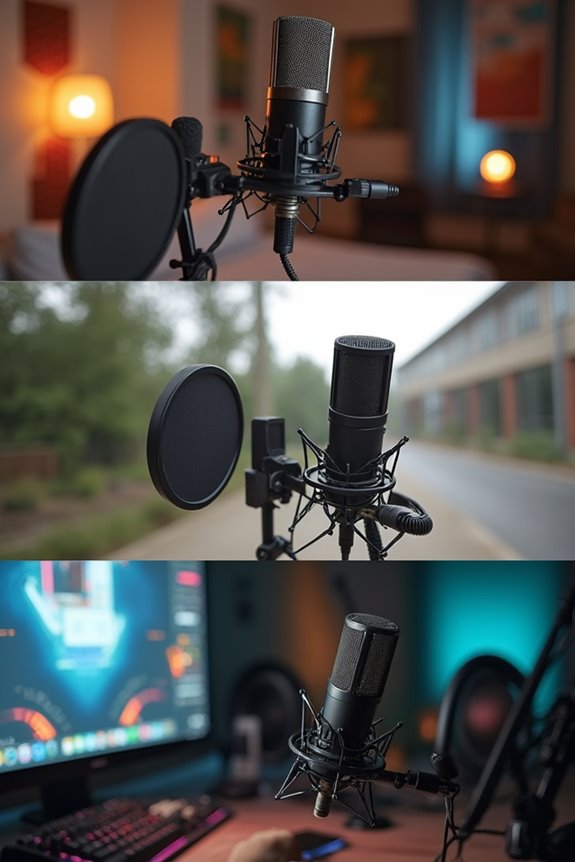
When it comes to streaming, the environment you’re in can greatly impact your audio quality! 🎧 Ambient noise like traffic and HVAC systems can sneak into your streams, making it tough for your audience to focus. We should consider room acoustics too; hard surfaces can create echoes that muddy our sound. Choosing the right microphone type is essential! If you’re in a noisy place, dynamic mics with noise rejection work wonders. For quieter spaces, condenser mics are fantastic. Don’t forget setup positioning—keep microphones close to your mouth and away from distractions. Finally, be wary of environmental humidity; it can damage gear! By understanding these factors, we can create a professional-sounding stream that keeps our audience engaged! Additionally, selecting a microphone with a cardioid pickup pattern can help isolate your voice from background noise, enhancing clarity.
Technical Compatibility and Setup
Choosing the right microphone for streaming can feel like steering through a tech maze, but it doesn’t have to be overwhelming! 🎤 We need to take into account technical compatibility and setup to guarantee smooth sailing during our broadcasts. First, let’s discuss microphone connection. USB mics are perfect if we want simplicity, while XLR mics require an audio interface but offer higher sound quality. If you’re on the go, consider USB microphones that connect directly to your smartphone or tablet! Additionally, checking compatibility with our devices is key—ensuring those cables and ports match saves us from hiccups later. Testing settings in our streaming software is essential to perfect audio levels. Don’t forget to adjust gain levels for crisp, clear sound! Moreover, consider using an audio interface with zero-latency monitoring to enhance your recording experience.
Accessories to Enhance Performance
Enhancing your streaming setup starts with a solid foundation of accessories! 🎤 Having the right tools can make a world of difference in your audio performance.
Pop Filters & Windshields: These little wonders reduce plosive sounds and protect your mic’s lifespan, plus they’re affordable and effective!
Shock Mounts: By isolating your mic from desk vibrations, they guarantee clearer audio. Perfect for dynamic or condenser mics!
Boom Arms: Adjustable and ergonomic, Boom Arms help position your mic just right while managing pesky cables.
Audio Interfaces: Upgrade your sound quality by converting analog signals to digital, giving you precise control.
Noise Reduction Accessories: Investment in high-quality cables and inline noise filters leads to crisp audio by minimizing unwanted interference. Let’s make those streams sound amazing! Additionally, using high-quality XLR microphones can significantly improve your overall audio clarity and performance during streams.
Recommended Products

Bore: .459” medium-large
Bore: .459” medium-large

2-channel Mic/Line/DI Preamp/EQ Module with 80dB of Gain
Positioning and Maintenance Tips
Whether you’re a seasoned streamer or just starting out, getting your microphone positioned correctly can make a significant difference in your broadcast quality. For dynamic mics, aim for 2 to 6 inches of distance, while condenser mics benefit from 4 to 8 inches. Remember to angle the microphone appropriately; front-address mics need their front facing you!
And don’t forget regular cleaning techniques—gently use compressed air on the grill to keep it dust-free. We should also keep our gear safe by storing mics in protective cases when not in use. By ensuring consistent microphone placement, you’ll help maintain clear audio and a more professional sound! Additionally, a high signal-to-noise ratio is crucial for achieving professional-quality recordings, so choose your microphone wisely! Let’s keep our streaming environment as sharp as our skills!
Making the Final Decision
After prioritizing proper microphone positioning and maintenance, it’s time to get into the nitty-gritty of making the final decision on the perfect mic for your streaming needs! 📈 With so many options available, it can feel overwhelming, but breaking down factors like audio quality, connectivity, functional features, budget, and even aesthetics can simplify the process.
Let’s focus on final considerations: do you need that cardioid polar pattern for background noise reduction, or will omnidirectional work? Factor in your aesthetic preferences too—customizable RGB lighting can enhance your setup! We’ll also consider USB versus XLR, built-in gain control, and the overall cost. Balancing quality with budget helps us find that ideal microphone to elevate our streaming experience! 🎤✨
Recommended Products

MIC FOR GAMING - Cardioid Mic designed for gaming, broadcasting, and podcasting, level up your stream with Alias Pro and free audio software

Cut the Cables, Free to Pod - Dynamic microphone MAONO PD200W hybrid enjoy 3 ways for broadcast audio: go wireless for maximum freedom, USB for easy plug-and-play on phone, tablet, or computer, or XLR for a pro-level stable setup with audio interfaces

Product 1: Broadcast-quality dynamic microphone optimised for podcasting and streaming with a rich, balanced sound perfect for all voice applications, including broadcast and voice-overs
Frequently Asked Questions
Can I Use Multiple Microphones for One Streaming Session?
Yes, we can absolutely use multiple microphones for one streaming session! By combining different microphone types and mastering audio mixing, we guarantee everyone’s voice shines, creating an inviting experience that includes every participant in our audience.
How Often Should I Replace My Microphone?
When it comes to microphone lifespan, we should consider replacement frequency. Typically, with proper care, we can expect our mics to last 5 to 10 years, but signs of wear will guide us on when to upgrade.
Will My Microphone Affect My Internet Connection Speed?
Our microphone types don’t affect connection quality or internet speed. What really matters is ensuring we have enough upload bandwidth for our streaming needs, as it primarily influences overall streaming experience and stability.
Can a Microphone Be Used for Video Recording Too?
Absolutely, we can use a microphone for video recording! It enhances audio clarity, greatly improving our video quality. Choosing the right mic guarantees both elements shine, providing our content with a professional touch everyone can appreciate.
What Is the Best Way to Clean My Microphone?
When we think about microphone maintenance, we’ve found that using gentle cleaning techniques, like wiping surfaces with isopropyl alcohol and washing grills, keeps our gear fresh and safe, ensuring beautiful sound every time we record.