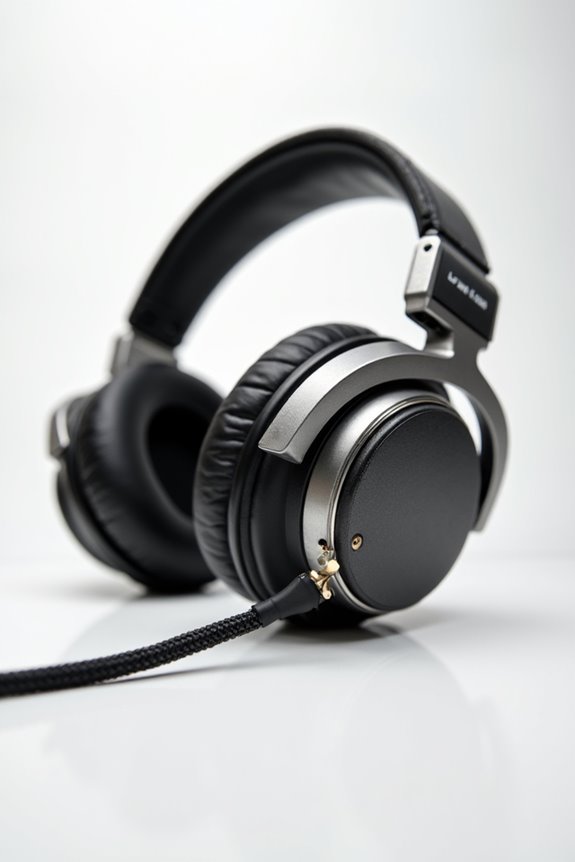

Balanced connections in headphones are a game-changer! 🎧 They use two active conductors that carry audio signals in opposite polarities. This technique cancels noise and interference, giving you a clearer sound experience. Typically, you’ll find connectors like 3-pin XLR or TRS involved. While balanced setups can be a bit thicker and pricier, they drastically improve audio quality! So, if you’re looking for that crystal-clear sound, stick around—we’ve got more juicy details on audio connections!
Key Takeaways
- Balanced connections in headphones use two active conductors and a ground conductor for improved audio quality and noise reduction.
- They operate by carrying signals in opposite polarities, allowing for effective noise cancellation during playback.
- Common connectors for balanced headphones include 3-pin XLR and 1/4-inch TRS, which enhance sound clarity.
- These connections provide higher output voltage, benefiting dynamic music and delivering better detail retrieval and stereo imaging.
- Balanced setups are ideal for professional environments, though many standard devices may lack balanced outputs, requiring adapters.
Definition and Principle of Balanced Connection
You may be interested



When we talk about balanced connections in headphones, we’re diving into an audio world that’s all about clarity and noise reduction! 🎧 So, what exactly is a balanced connection? In simple terms, a balanced connection uses two active signal conductors along with a separate ground conductor. These wires carry the same audio signal but in opposite polarity, creating what we call a balanced signal. This setup helps with noise cancellation! By inverting one signal at the receiving end, any common-mode noise that affects both conductors can be canceled out. This means fewer hisses and hums, especially important for long cable runs in professional lighting. Balanced connections are a valuable feature for audiophiles seeking peak sound quality—who doesn’t want that?
Recommended Products

The cable is made of 7N single crystal copper+7N single crystal silver mixed cable, each conductor is custom annealed to achieve a particularly soft state, and the sheath is made of durable PVC, which has excellent discoloration resistance and is about 1.8 meters (70 inches) in length.

The cable is made of 7N single crystal copper+7N single crystal silver mixed cable, each conductor is custom annealed to achieve a particularly soft state, and the sheath is made of durable PVC, which has excellent discoloration resistance and is about 1.8 meters (70 inches) in length.

The cable is made of 7N single crystal copper+7N single crystal silver mixed cable, each conductor is custom annealed to achieve a particularly soft state, and the sheath is made of durable PVC, which has excellent discoloration resistance and is about 1.8 meters (70 inches) in length.
Technical Implementation and Hardware Aspects
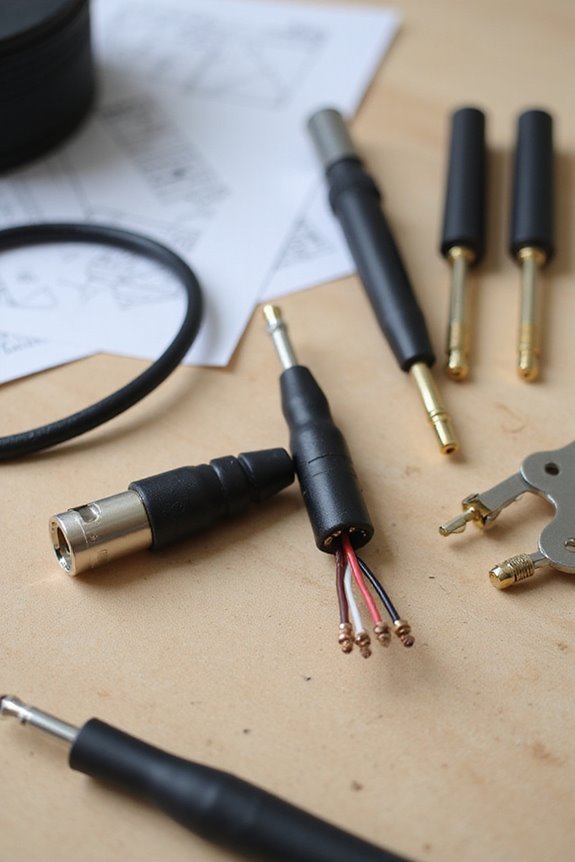
While diving into the world of balanced connections, we can’t ignore the technical features that make them stand out! The magic starts with connector standards like 3-pin XLR and 1/4-inch TRS. These connectors are built ruggedly, ensuring reliability in professional settings. Balanced cables use high-quality cable materials, incorporating twisted pairs for noise reduction. This nifty design means any noise is canceled out at the amplifier!
In balanced headphone setups, amplifiers create separate paths for positive and negative signals, enhancing power output. Plus, with independent DACs, you get less crosstalk and clearer sound. So, while they might be thicker and a bit pricier, balanced connections truly elevate your audio experience! 🎧 Let’s keep rocking those tunes with exceptional tech!
Recommended Products

FEATURE RICH: 10-Channel SDI/HDMI switcher, supports up to 7 layers, 28-channel digital audio mixer, DVE for Transitions and Keyers, Multiview monitoring, talkback, media players, full front panel control with LCD and more!

Bundle Includes: 2 x Adam Audio A7V Powered Two-Way Studio Monitor, 2 x FocusProAudio 25-Feet XLR Male to Female Microphone Cable, 2 x PX-TMXM2 1/4-Inch TRS to XLR Male to Male Balanced Cable (10-Feet), and Studio Monitor Isolation Pads for 8-Inch Speakers (Pair)

Bundle Includes: Adam Audio T10S 10-Inch Powered Studio Subwoofer, Adam Audio T7V 7-Inch Powered Studio Monitor (Pair), 2 x 25Ft XLR Cable Male to XLR Female Microphone Cable, and 2 x 1/4-Inch TRS to XLR Male to Male Balanced Cable (10-Feet)
Advantages of Balanced Connections
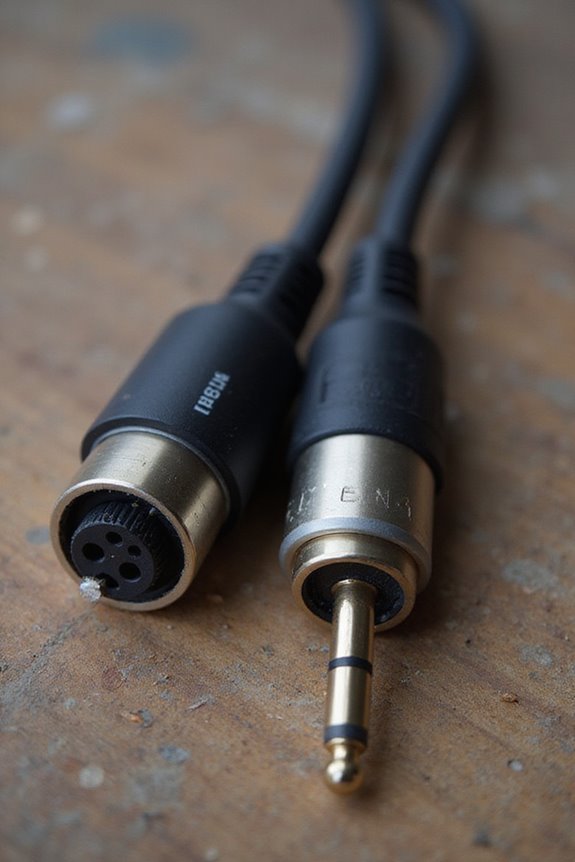
Balanced connections offer a range of advantages that can greatly enhance your audio experience! By reducing noise and interference, we get improved sound quality, making those unwanted hums and buzzes a thing of the past. This means you can truly appreciate the audio clarity in your favorite tracks.
Furthermore, balanced connections guarantee better stereo imaging, giving us that immersive soundstage we crave, where every instrument feels like it’s positioned perfectly. Plus, with higher output voltage, our headphones can handle dynamic music with ease, bringing out details we didn’t know we were missing!
In short, switching to balanced connections is like giving our audio system a revitalizing upgrade, making every listen feel more engaging and real. 🎧✨
Recommended Products

【High-Fidelity Sound Quality】With 48,000 samples per second, listen to every note with this small USB Type-C to 3.5mm Audio Headphone Adapter. Featuring a Smart DAC Chip, this precision captures deep bass, crisp highs, and a balanced midrange, enriching your music experience.[NOTE: The volume adjustment function of Apple EarPods headphones is not supported !!!]

Our new more advanced model replaces the LCD-4

For Recording Studios and Touring
Limitations and Considerations
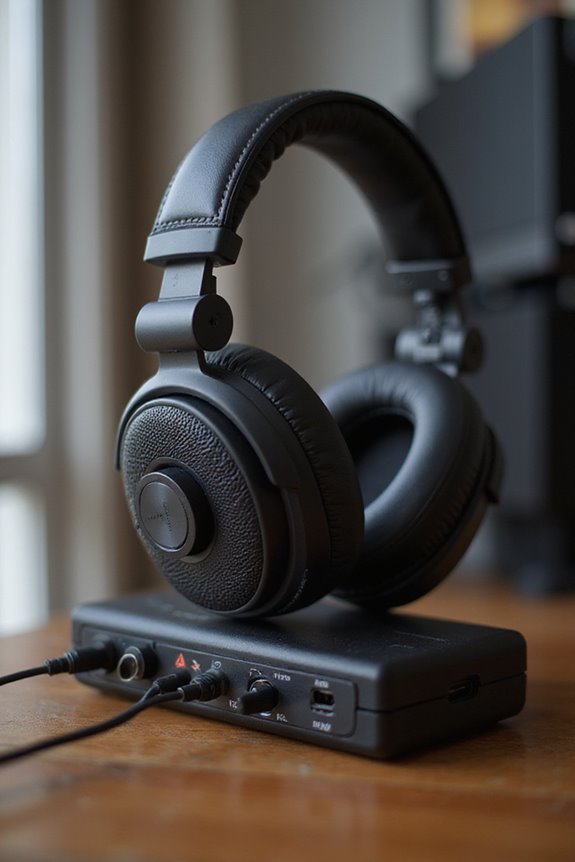
Then, we’ve got usability challenges. Many everyday devices lack balanced outputs, which might leave you hunting for adapters or, worse, limit your setup. Plus, some balanced cables can confuse you with varying connectors like XLR or 4.4mm. Finally, balanced connections can sometimes throw off channel balances at low volumes, which can be pretty frustrating. So, while balanced setups can shine, it’s good for us to be aware of these limitations!
Comparison With Single-Ended (Unbalanced) Connections
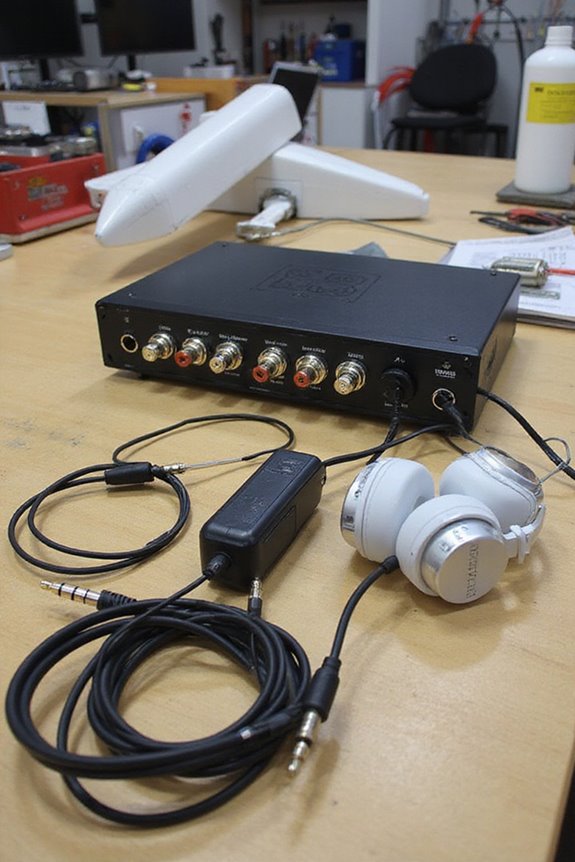
When it comes to choosing between balanced and single-ended (unbalanced) connections for our headphones, it’s essential to understand just what sets them apart! Balanced connections use dual conductors per channel—positive and negative—to cancel out noise, offering that coveted balanced sound and audio clarity. 🎧 Meanwhile, single-ended connections rely on one conductor and ground, making them more vulnerable to interference.
While balanced setups can enhance performance, particularly in noisy environments, some users might prefer the simpler, more familiar single-ended approach that works with nearly all gear. Plus, unbalanced cables are lighter and easier to manage. Ultimately, it’s about your listening preferences! So, whether you go balanced or single-ended, let’s enjoy the music together! 🎶 Additionally, considering the audio quality specifications can help you make a more informed choice between these connection types.
Recommended Products

POWERFUL ROOM-FILLING SOUND: music to fill your living space thanks to its seven effective drivers

A headphone-optimised version of the award-winning Uniti Atom music streaming system
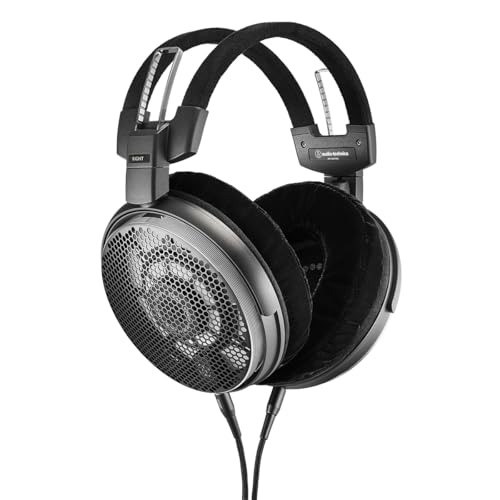
ADVANCED 58 MM DRIVER SYSTEM - Precisely molded diaphragm and aligned components for high clarity and efficiency
Applications and Use Cases
Professional Studio and Broadcast Use
In professional environments, balanced headphone connections are essential for maintaining audio fidelity. They minimize common-mode interference, vital for clear signals in studios. Using balanced cables reduces noise from radio frequencies and electrical interference, making long cable runs a breeze! 🎧
For high-end setups, fully balanced amplifiers improve noise rejection, preserving your sound. Products like the Topping A30 Pro guarantee low distortion, enhancing accuracy during mixing and mastering. Additionally, audiophiles and musicians benefit from increased power—perfect for those hard-to-drive headphones, like the Hifiman Susvara. The advantages of advanced converters ensure exceptional clarity and fidelity across various recording applications.
Whether you’re in a studio or just chilling at home, exploring balanced connections really amps up your listening experience! Let’s embrace the power of balanced audio together!
Recommended Products

Full frame sensor - 47.3-Megapixel full-frame MOS sensor that provides a wide dynamic Range and excellent performance at high sensitivity (is 25600 Max sensitivity)

‘M’-shaped grille following the curve of the speaker driver. Better linearity of the high frequencies

PERFECT FOR BROADCAST: Designed as the perfect studio camera for ATEM switchers, this model has a 6K sensor up to 25,600 ISO, EF lens mount, HDMI out, SDI connections, 7" HDR LCD with sunshade, built-in color correction, built-in microphones, built-in hardware live streaming, and recording to USB disks.
Frequently Asked Questions
Are Balanced Connections Compatible With All Headphone Types?
When it comes to headphone types, not every model works with balanced connections. We should consider cable design and connector compatibility to guarantee peak performance, or we might miss out on those benefits altogether.
Can I Convert Single-Ended Headphones to Balanced Connection?
Oh sure, let’s just wave a magic wand! Single-ended conversion isn’t a walk in the park. Balanced adapters exist, but converting headphones can cause more headaches than harmonies; it’s a risky, complex endeavor, friends!
What Equipment Is Needed for Balanced Headphone Setup?
To set up a balanced headphone experience, we’ll need a balanced amplifier and compatible headphones. Using headphone adapters can enhance our connection, ensuring we enjoy superior sound quality together without unnecessary noise interference.
Do Balanced Cables Improve Sound Quality for All Music Genres?
Imagine diving into a crystal-clear ocean of sound clarity and audio fidelity. We find balanced cables enhance our listening with nuanced genres, but their magic varies, reminding us quality often depends on our unique setups and tastes.
How Do I Identify Balanced Versus Unbalanced Headphone Cables?
To identify cable types, we should look at the connectors. Balanced cables have three separate conductors for sound signals, while unbalanced cables usually have two. Checking’s essential to guarantee we get the quality we deserve!