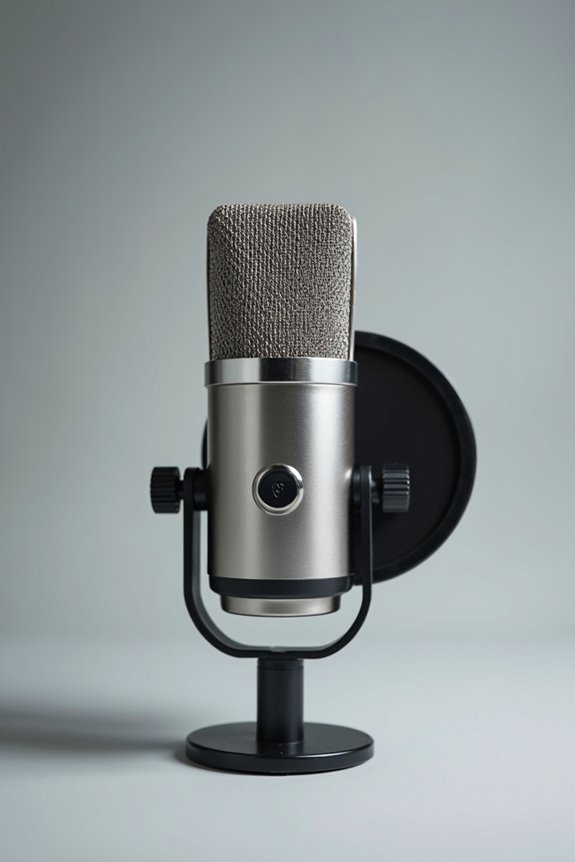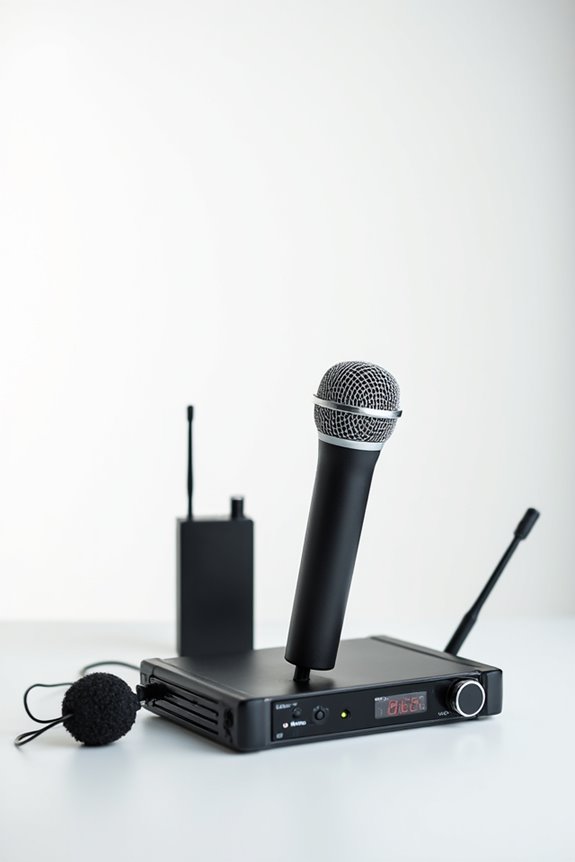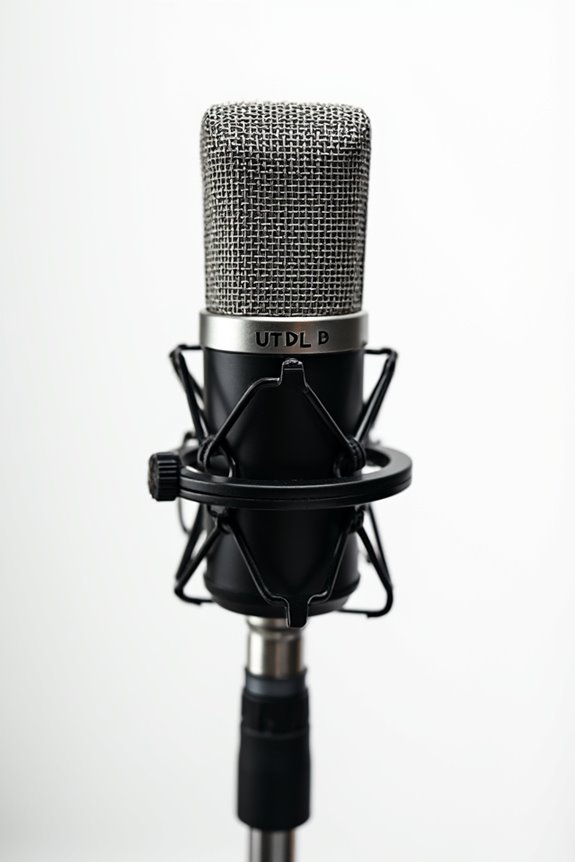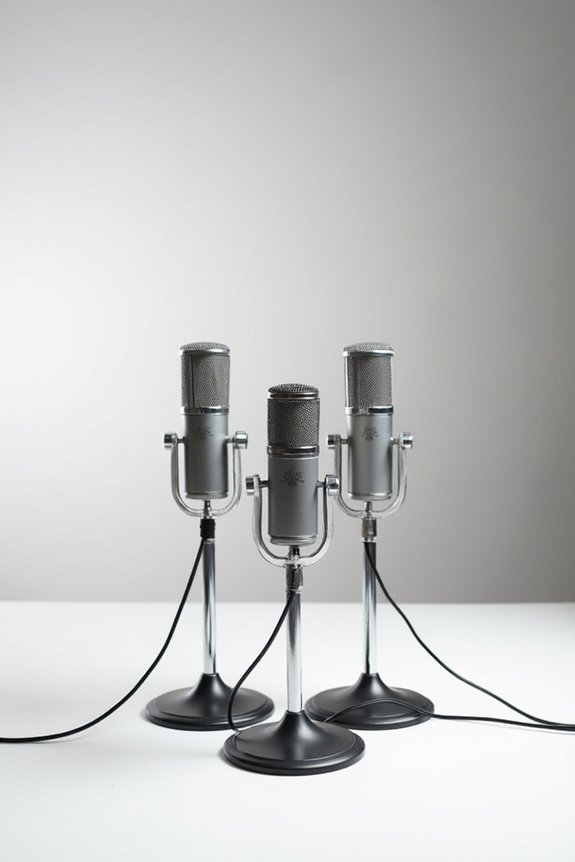
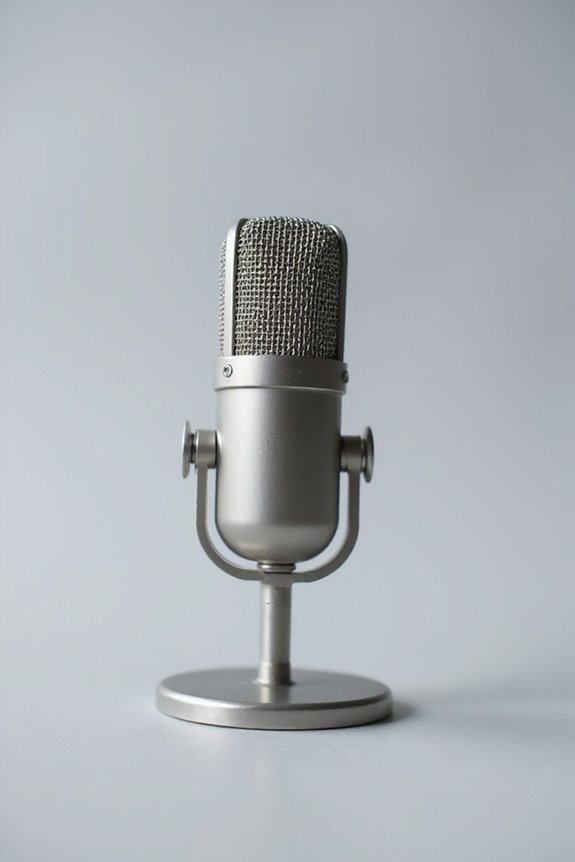

Frequency response in microphones is all about how well they capture sound across different frequencies, usually from 20 Hz to 20 kHz. 🎤 This range is vital for both voices and instruments! A flat response gives balanced sound, while shaped curves can enhance clarity, especially for vocals. Plus, knowing frequency response helps us pick the perfect mic for any audio need. If you stick around, we’ll explore what really makes a microphone shine!
Key Takeaways
- Frequency response in microphones measures their sensitivity across a range of sound frequencies, typically from 20 Hz to 20 kHz.
- A flat frequency response indicates accurate sound reproduction, while tailored responses can enhance specific sounds like vocals or instruments.
- The shape of a frequency response curve affects how well a microphone captures different audio, influencing clarity and tonal balance.
- Age-related changes in human hearing impact frequency perception, making appropriate microphone choice crucial for effective sound capture.
- Measurement methods like frequency sweeps and microphone substitution help analyze and calibrate mic frequency responses for optimal performance.
Understanding Frequency Response
You may be interested

When we plunge into the world of microphones, understanding frequency response is key, especially if we want our recordings to sound great! So, what does frequency response terminology mean for us? It refers to the range of sound frequencies that a microphone can detect and reproduce. Most microphones cover 20 Hz to 20 kHz, which is fantastic for capturing our voices and instruments.
Now, let’s think about frequency response applications. Whether we’re aiming for a flat response for clear sound reproduction or a tailored one to enhance vocals, knowing this helps us choose the right mic for the job! 🎤 Remember, it’s not just about what we capture—it’s about how accurately we reproduce that sound. Let’s make every recording count!
Frequency Response Curve Characteristics
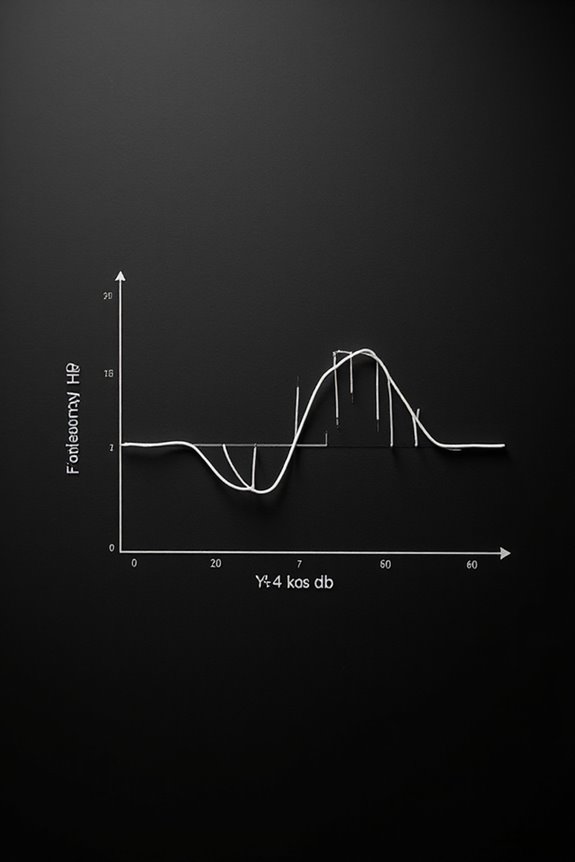
Frequency response curves are essential when evaluating microphones, and let’s unpack what they mean! These graphs illustrate how a microphone responds to different frequencies, showcasing amplitude variation across the spectrum. A flat curve indicates balanced sensitivity, perfect for capturing instruments accurately. However, shaped curves with peaks and dips can enhance vocal clarity—think of that delightful presence boost around 3–6 kHz!
Watch out for abrupt peaks, as they might lead to feedback nightmares. 🎤 Low-frequency roll-offs help eliminate unwanted rumble, making our stage performances cleaner. Remember, small amplitude fluctuations are normal; they’re just design quirks! So, whether you need clarity or warmth, understanding these characteristics empowers you to choose the right mic for any occasion. Additionally, optimal frequency response ranges are crucial for capturing the desired vocal tone effectively. Happy recording!
Recommended Products
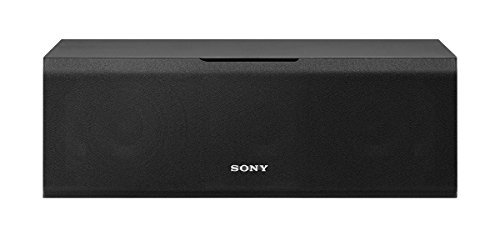
Wide dispersion Super Tweeter
Frequency Range and Its Relation to Human Hearing
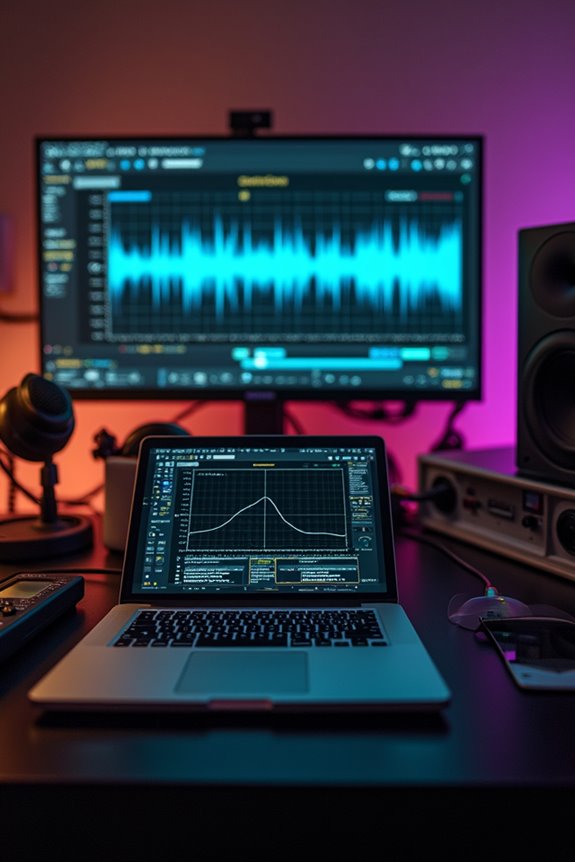
Although many of us might take our hearing for granted, understanding the frequency range of human hearing can greatly impact our microphone choices! Our normal audible spectrum stretches from about 20 Hz to 20,000 Hz. It’s fascinating that some of us can perceive sounds as low as 12 Hz or as high as 28,000 Hz under perfect conditions!
Most of our frequency perception is sensitive between 2,000 Hz and 5,000 Hz, vital for understanding speech. While low frequencies cover deep bass tones, mid frequencies are essential for conversation, and high frequencies deliver that lovely treble! Remember, as we age, our perception in these ranges can change, so choosing the right microphone can help us capture all those beautiful sounds around us! 🎤✨
Measurement Methods for Frequency Response
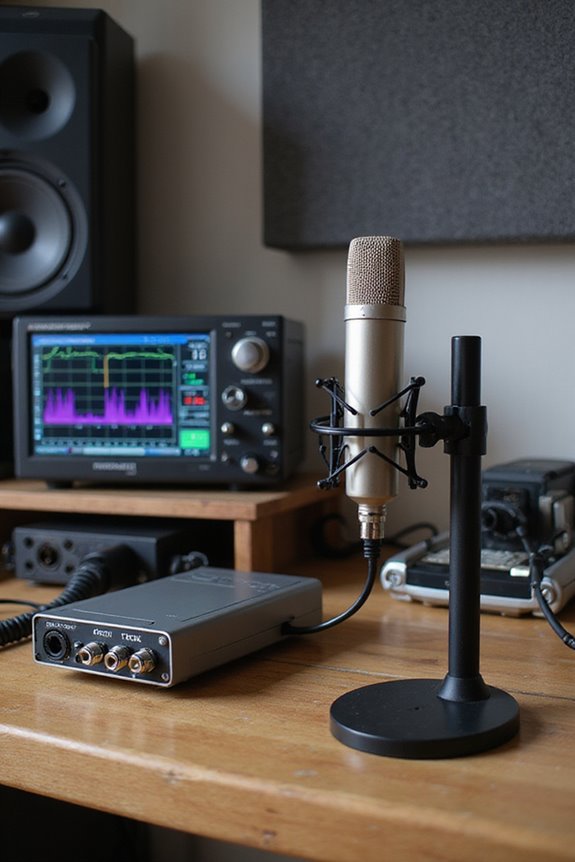
Understanding how we measure frequency response in microphones is essential, even if it might seem a bit technical. Let’s plunge into some methods that enhance measurement accuracy!
- Stepped Frequency Sweep: This involves stepping through discrete frequencies, allowing us to capture precise amplitude data for high-frequency resolution.
- Continuous Sweep: Here, we smoothly shift through frequencies. It saves time while still delivering insights on harmonics and distortions!
- Transfer Function Measurement with White Noise: By sending white noise into the system, we get real-time frequency responses without missing the fun of frequencies mixing together!
- Microphone Substitution Method: We use a reference microphone to guarantee our test mic gets the same sound field, making sure our microphone calibration is spot on.
With these methods, we’re all set to understand frequency response better! 🎤✨
Testing Frequency Response in Controlled Environments
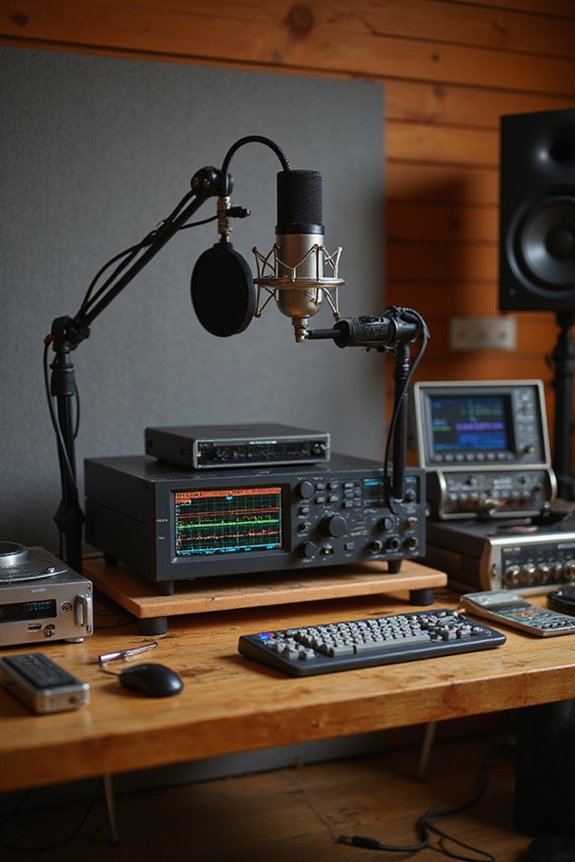
When it comes to testing frequency response in controlled environments, we’ve got a powerful suite of tools and techniques at our disposal! 🎶 Picture an anechoic chamber: a space so quiet, it feels like sound is on vacation. These chambers provide an ideal setting for precise measurements, thanks to their reflection-free designs.
Speaker positioning is vital too! By carefully aligning microphones and speakers, we create approximate plane wavefronts, maximizing test accuracy. Remember, keeping the speaker-to-microphone distance appropriate is key to minimize distortions.
To enhance this experience, specialized equipment helps monitor and calibrate, ensuring consistent sound pressure levels. We embrace these controlled environments, knowing they’re essential for trustable microphone frequency response testing. Additionally, ensuring high dynamic range and low noise levels can significantly improve audio quality specifications during testing. Let’s explore this exciting world together!
Impact of Frequency Response on Microphone Performance
The frequency response of a microphone can considerably influence its performance, shaping how accurately it captures sound. 🎤 We all know that a microphone isn’t just a fancy recording device; it’s an essential tool that can make or break audio quality.
Diaphragm characteristics play a significant role here. For instance, heavier diaphragms may struggle with high frequencies due to inertia. On the flip side, smaller diaphragms excel at reproducing those elusive high notes! Acoustic design is just as important; factors like housing shape affect resonance and tonal balance.
A flat frequency response leads to clearer, more natural sound, which is what we all aim for when capturing our performances. So, let’s choose wisely! 🎶
Recommended Products

BRILLLLLLIANT — iMac is the ultimate all-in-one desktop computer, powered by the M4 chip and built for Apple Intelligence.* With a stunning 24-inch Retina display, iMac gives you the space you need in an iconic, colorful design that livens up any room.

Flat frequency response delivers true-to-life sound, Requires plus 48V phantom power

Includes WL183, QLXD1, QLXD4, power supply, 2 AA batteries, two 1/2 wave antennas, 2 BNC cables, zipper bag, 2 BNC bulkhead adapters, rackmount kit, and user guide
Tailored Frequency Responses for Specific Applications
Tailoring frequency responses in microphones is like customizing a suit; it guarantees a perfect fit for every occasion! 🎤 Depending on what you’re recording or the environment you’re in, different microphones can enhance your sound in unique ways.
Take studio condensers, for instance; they often have flat responses that capture every nuance of your vocals or instruments without coloration. On the flip side, dynamic microphones shine in live settings with tailored responses, reducing unwanted low frequencies while boosting clarity.
Vocal mics frequently incorporate low-frequency roll-off filters to cut down on plosives. These tailored responses help us achieve the best possible sound for our specific microphone applications, ensuring we get that perfect audio experience every time! Additionally, many audio interfaces come bundled with microphones that optimize their frequency response for superior sound quality.
Recommended Products

Large-diaphragm Condenser Mic with Wooden Box - Matte Black

KICK DRUM MICROPHONE: The D6 is an excellent choice for kick drums, featuring a frequency response of 30Hz-15kHz and a cardioid pick-up pattern that doesn't require finding the drum's "sweet spot."

Transparent uppers/mids balanced by rich low-end qualities combine with advanced acoustic engineering for extensive performance capabilities and highest quality
Practical Considerations for Microphone Selection
Selecting the right microphone can make all the difference, much like picking the right tool for a job! 🎚 When we’re considering practical aspects, we need to take a closer look at several factors that influence our choices.
First, let’s think about microphone types. Dynamic mics are great for high-SPL situations, while condenser mics excel in capturing subtle details. We should also consider the polar pattern; cardioid mics offer fantastic sound isolation, perfect for solo performances, while omnidirectional mics can capture the vibe of multiple instruments.
Additionally, diaphragm size and shape play key roles in frequency response. High-quality XLR microphones typically feature a frequency response range of 50 Hz to 20 kHz, so whether you’re after clarity or warmth, let’s remember to balance your needs with the mic’s capabilities for the best results!
Recommended Products

Reissue of Vintage U 67 Microphone

Studio vocal microphone audio-technica’s Premier studio vocal microphone, The AT5040 represents a milestone in condenser design, offering remarkably musical high-fidelity performance, with profound realism and depth, presence and purity of sound. Designed as a first-choice vocal microphone, The AT5040 cardioid condenser features an extremely smooth top end with controlled sibilance. Large-diaphragm characteristics and fast transient response also make it ideal for recording acoustic instruments such as piano, guitar, strings and saxophone. Four-part rectangular Element The first of our design criteria for the AT5040 was purity of sound. To achieve this, Audio-Technica engineers developed a four-part rectangular Element, The pinnacle of our recent breakthroughs in sound-capture technology. Four exquisitely matched ultra-thin diaphragms function together (with outputs proprietarily summed) as audio-technica’s largest-ever Element, providing combined surface area twice that of a standard one-inch circular diaphragm. By using four diaphragms in a single capsule, the AT5040 delivers the benefits of an exceptionally large diaphragm-alongg with an extremely low noise floor-withoutt increased weight, decreased transient response or other drawbacks that typically restrict diaphragm size. Another key AT5040 design feature is advanced internal shock mounting that effectively decouples the capsule from the microphone Body. For additional isolation, each AT5040 is also provided with audio-technica’s innovative new AT8480 shock mount. 100% quality control every AT5040 is hand assembled and individually inspected for 100% quality control. Each studio microphone is enclosed in an elegant housing of aluminum and brass with high-quality gray finish for durability and low reflectivity. Discrete components have been selected for optimized capsule performance; in fact, every aspect of the microphone has been carefully considered to minimize any effects on the audio signal. Features: audio-technica’s Premier studio condenser vocal microphone extremely musical high-fidelity performance, with profound realism and depth, presence and purity of sound four rectangular diaphragms (2 micron) function together as audio-technica’s largest-ever Element, providing combined surface area twice that of a standard one-inch circular diaphragm exceptionally low noise and wide dynamic range ideal for studio vocals discrete components carefully selected for optimized capsule performance high-SPL capability and extended frequency response hand assembled and inspected for 100% quality control advanced internal shock mounting decouples the capsule from the microphone Body ELEGANT, durable housing of aluminum and brass included advanced-design custom AT8480 shock mount provides superior isolation custom hard-shell carrying case with die-cut foam compartments offers protection during storage and transport specifications: Element: fixed-charge back plate, permanently polarized condenser polar pattern: cardioid frequency response: 20-20, 000Hz open circuit sensitivity: -25 dB (56.2 mV) Re 1V at 1 PA Impedance: 50 ohms maximum input sound level: 142 dB SPL, 1 kHz at 1% T.H.D. Noise: 5 dB SPL dynamic range (typical): 137 dB, 1 kHz at max SPL signal-to-noise ratio: 89 dB, 1 kHz at 1 PA phantom power requirements: 48V DC, 3.8 mA typical output Connectors: integral 3-pin XLRM-type dimensions: 165.3 x 57 mm/ 6.51 x 2.24" Weight: 582G/ 20.5oz
Common Features in Vocal and Instrument Microphones
When it comes to microphones, understanding the common features that distinguish vocal mics from instrument mics is key! 🎤 Each type is designed with specific characteristics to enhance the sound quality for its intended use. Vocal microphones often emphasize presence boosts in the upper-mid frequencies (3–6 kHz) for vocal clarity. This makes your voice pop! On the flip side, instrument microphones frequently aim for a flatter frequency response, ensuring instrument fidelity by preserving the original tonal character.
They also focus on handling noise reduction, employing low-frequency roll-off to keep unwanted rumbliness at bay. Overall, both types work hard to deliver exceptional audio, tailored to suit your musical needs. You’ll definitely sound great, whichever mic you choose! Additionally, microphones with a recommended frequency response of 30Hz to 15kHz excel at capturing deep tones, making them ideal for bass instruments.
Recommended Products

DuoPre XLR Microphone preamps, including 48V Phantom power for condenser microphones and up to 69dB of gain. Each preamp uses two gain stages to provide a full and accurate sound across the entire gain range with enough power for even the most gain hungry mics.

Requires +48V phantom power

Matched Pair Studio Grade Professional Large Diaphragm Vocal and Instrument Condenser Microphone with Rugged Aluminum Carrying Case. XLR Connector. Astounding sound quality for lead vocals and solo instruments
The Role of Frequency Response in Audio Quality
Understanding how frequency response plays a role in audio quality is key for anyone looking to capture the best sound. 🎶 Think of frequency response as our microphone’s way of saying, “Hey, I hear you!” It defines the range and sensitivity of sounds a mic can pick up, typically stretching from 20 Hz to 20 kHz—covering the whole spectrum of human hearing.
A flat frequency response often results in natural and clear audio fidelity, showcasing true sound reproduction. Tailored responses can enhance specific tonal qualities, like warmth or brightness, depending on our recording environment. Remember, the interaction between frequency response and room acoustics can greatly influence what we capture. Additionally, many condenser microphones are designed to offer high sensitivity and noise reduction features, ensuring optimal audio clarity. So, let’s choose our microphones wisely to elevate our audio quality!
Frequently Asked Questions
How Does Frequency Response Affect Microphone Choice for Specific Applications?
When choosing a microphone, we must consider how frequency response affects vocal clarity and instrument detail. It’s essential for us to select mics that enhance our specific sound applications, ensuring ideal performance and satisfaction together.
Can Frequency Response Change Over Time or With Usage?
Can we really expect our microphones to stay the same over time? Yes, frequency drift can happen with usage impact. We should all be mindful of how handling and environmental factors influence our sound quality.
What Are the Best Practices for Testing Frequency Response at Home?
When we’re testing frequency response at home, we should use proper testing techniques with our equipment. Setting up in a quiet space and maintaining consistent SPL can greatly improve our results and understanding of sound quality.
How Do Different Microphone Types Vary in Frequency Response?
As we explore the audio landscape, we notice dynamic microphones pack robust sound, while condenser microphones capture nuance. Ribbon microphones offer smooth warmth, lavalier mics provide intimacy, and shotgun models focus directly—each uniquely shaping our listening experience.
Does Microphone Placement Influence Frequency Response?
Absolutely, microphone placement and angle profoundly influence frequency response. By adjusting placement distance and angle, we can achieve a balanced sound. Together, we can explore techniques to optimize our recordings and guarantee clarity and presence.