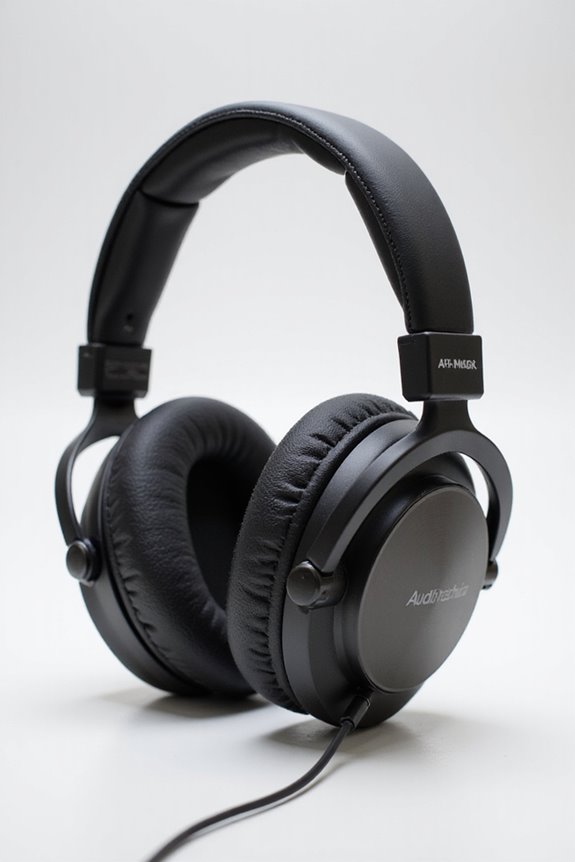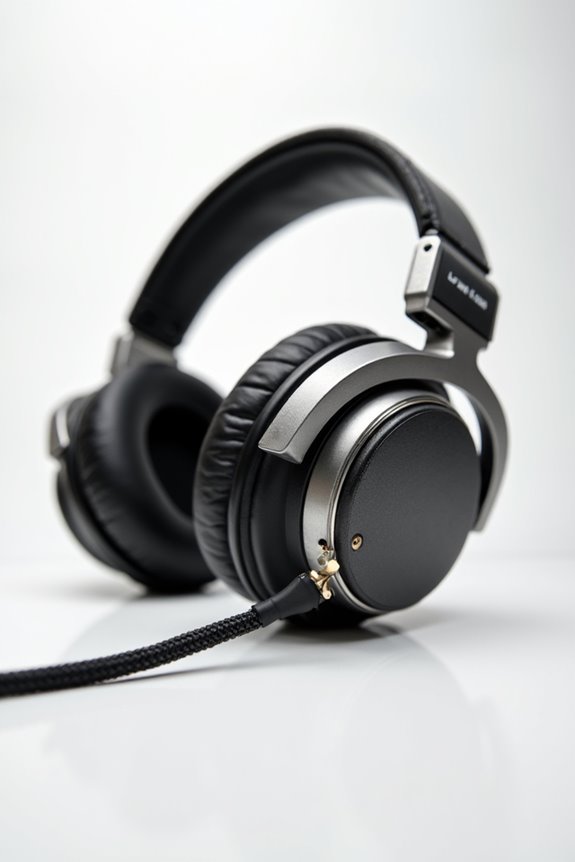
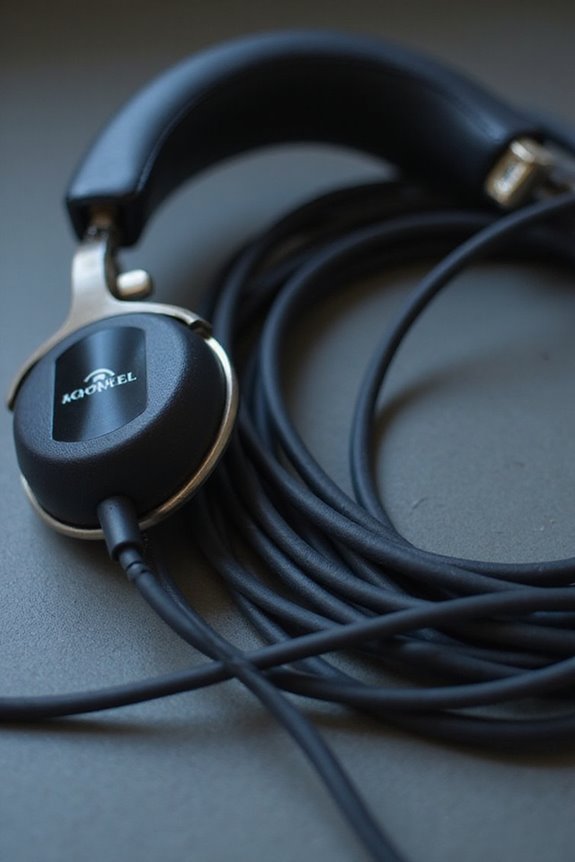

When it comes to choosing the ideal headphone cable length, we recommend around 1.3 to 3 meters for portability and flexibility. For home use, 6 to 10 feet is perfect, with 8 feet being the sweet spot for minimizing signal loss! 🎶 Longer cables can cause unwanted noise, while balanced connections like XLR enhance quality over distance. Remember, connector compatibility matters too! Stick around, and we’ll explore more tips on how to find the best cable for you!
Key Takeaways
- For portability, a 1.3-meter cable is ideal for on-the-go use without tangling.
- A 3-meter cable allows for more movement and flexibility when listening at home.
- For home setups, 6 to 10 feet is recommended to minimize signal loss and facilitate comfortable seating.
- In studio environments, a practical maximum cable length is approximately 150 feet, utilizing balanced connections for better signal integrity.
- Selecting cables with compatibility and quality materials can greatly enhance audio performance and minimize sound degradation.
Understanding Standard Cable Lengths
You may be interested



When it comes to choosing headphone cable lengths, most of us may not think twice about it—but it can really make a difference! 🎧 Standard headphone cable lengths typically range from 1.3 meters to about 3 meters. For us, the 1.3-meter length is great for portability, ideal when we’re on the go. But if we want a little more freedom, the 3-meter option allows for movement without the hassle of tangles or excessive weight.
We should consider cable durability too, as longer cables may impact our listening experience over time. Keep in mind that while longer cables can be useful, they also come with their own portability concerns. So, let’s choose wisely and enjoy our music! 💡
The Impact of Cable Length on Audio Quality
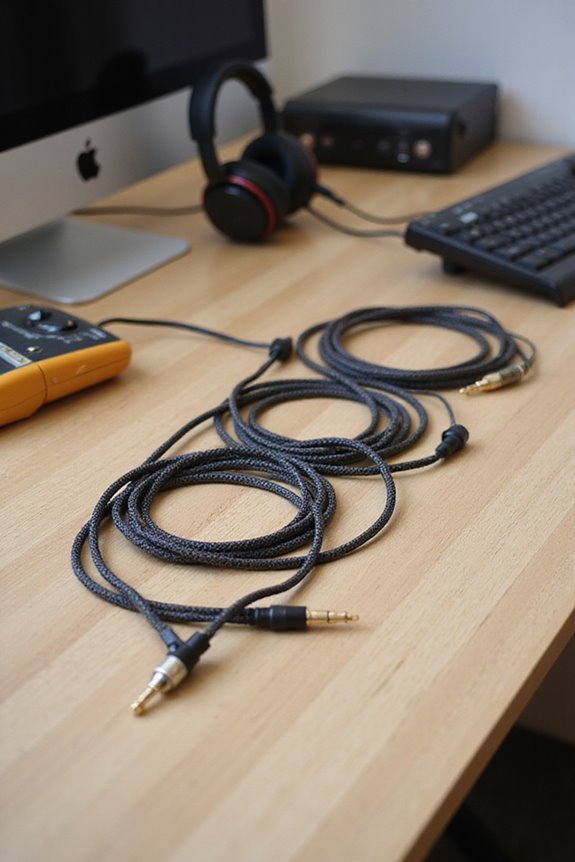
We’ve explored standard headphone cable lengths, but now it’s time to look at how those lengths can affect our listening experience! 🎶 The impact of cable length on audio quality isn’t just a minor detail; it plays a significant role in how we enjoy our music.
When the length of our headphone cable increases, resistance often rises, leading to signal loss and reduced audio quality. For example, analog cables can degrade past 25-30 feet, especially with high-impedance headphones. Longer cables might also invite unwanted noise, which can muddy our listening experience.
Choosing high-quality materials and well-made cables can help maintain signal fidelity, minimizing the impact of cable impedance. Ultimately, we want that crisp, clear sound, so keep our cables shorter whenever possible!
Ideal Lengths for Home Use
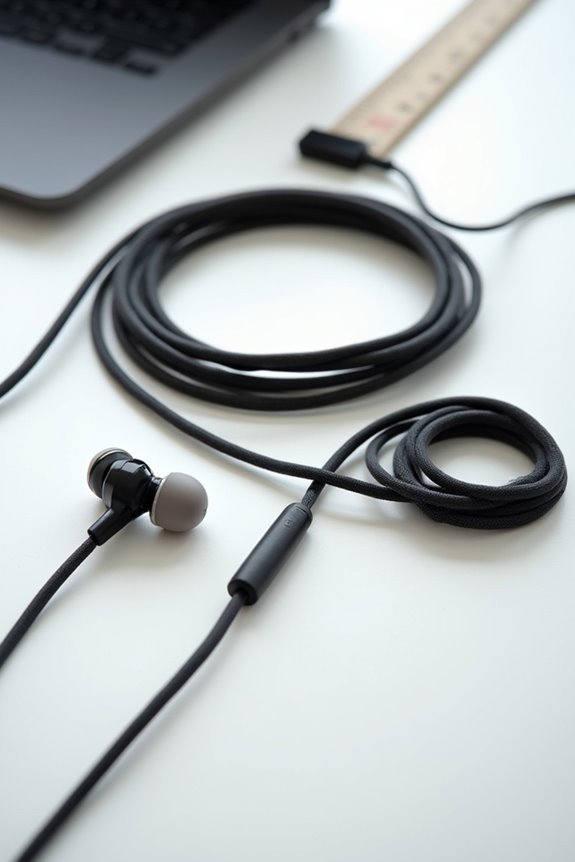
Finding the perfect headphone cable length for home use can enhance your listening experience! For most home listening setups, we generally recommend cables that are 6 to 10 feet long. An 8-foot cable often strikes that perfect balance, giving you the flexibility to move comfortably while minimizing that pesky signal loss.
If your audio gear is closer, 6 feet can suffice, with optional extensions for your comfy couch seating. Cables longer than 10 feet can complicate things, so we suggest sticking with what’s manageable.
Recommended Products

【Space-Saving Folding Design】When not in use, this conference table folds easily in half for compact storage, making it ideal for small offices, meeting rooms, or multipurpose spaces. Saves valuable floor space and eliminates storage hassle.

Performance - The LCD-GX is designed to be the best in audio performance for Gamers. It’s based on our rave-reviewed LCD series headphones, so it has a 100mm/4 inch diameter driver – about 2x the size of other gaming headphones. This gives the GX more bass response, and it’s open-back design gives the widest, most accurate soundstage.

Bring the concert hall into your home with high fidelity sound perfected by your favorite artist and performed flawlessly by the Fi70
Considerations for Studio and Professional Setups
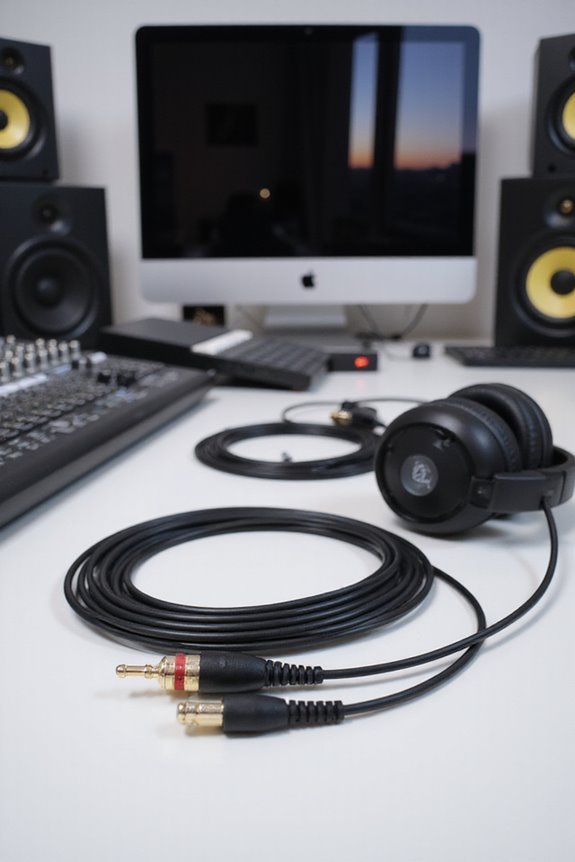
While home setups typically favor shorter cables for comfort and ease, studio and professional environments operate a bit differently. In studios, we often prioritize flexibility and cable management. With practical maximum lengths of about 150 feet for standard cables, using custom or boosted cables can go longer, but they tend to complicate our setup.
We love balanced connections—like 4-pin XLR—for better signal quality over distance, keeping noise at bay! Durability is key, so thick, low AWG cables are our go-to. 🤘 Plus, we’re all about custom lengths to minimize trip hazards and clutter, ensuring everything feels just right in our creative space. When you choose wisely, your studio can be a masterpiece! 🎶 Additionally, consider investing in audio interfaces with ADAT inputs to expand your recording capacity and enhance sound quality.
Recommended Products

A headphone-optimised version of the award-winning Uniti Atom music streaming system

Our new more advanced model replaces the LCD-4

FEATURE RICH: 10-Channel SDI/HDMI switcher, supports up to 7 layers, 28-channel digital audio mixer, DVE for Transitions and Keyers, Multiview monitoring, talkback, media players, full front panel control with LCD and more!
Benefits of Balanced vs. Unbalanced Cables
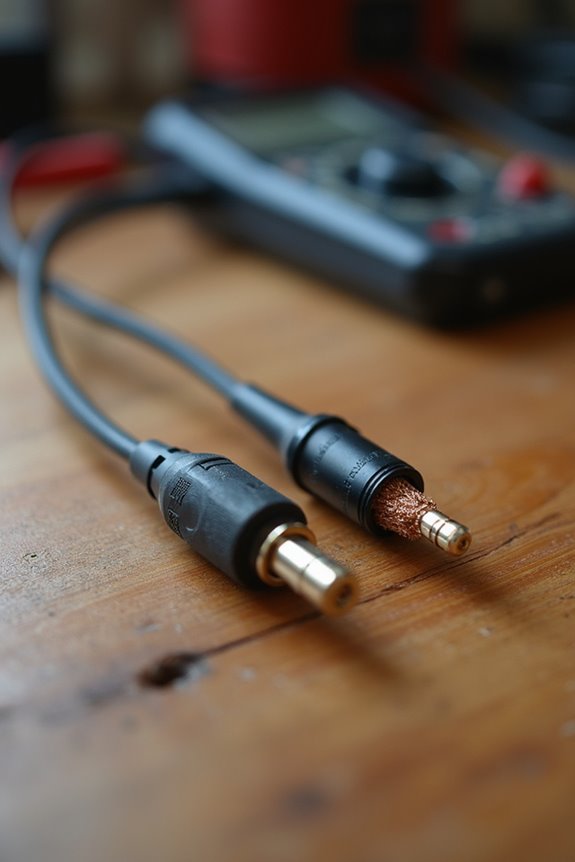
When it comes to choosing between balanced and unbalanced cables, you’ll want to contemplate how each type performs in your setup. Balanced advantages are clear—they transmit dual signals that cancel out noise, making them perfect for longer runs, often up to 200 feet! 🎉 On the flip side, unbalanced drawbacks include being more prone to picking up unwanted sounds, limiting their effective range to under 10 feet.
In critical listening setups, balanced cables maintain clarity and strong signal integrity, while unbalanced types may result in muddier audio. For casual use, unbalanced cables are often sufficient. So, if you want the best audio experience, especially in professional settings, leaning towards balanced cables could be your best bet!
Connector Compatibility: What You Need to Know
Choosing the right headphone cables is just as important as selecting the cables themselves! Connector compatibility can make or break your audio experience. We’ve got different connector types: 3.5mm is standard for your mobile devices, while 6.35mm suits instruments. 🎸 Don’t forget about those niche 2.5mm and 4.4mm connectors for high-end gear!
When cable matching, make certain your headphones’ connectors are compatible, whether it’s 2-pin, MMCX, or even XLR for pros. Plus, impedance considerations can impact sound quality. Durability factors matter too; some connectors wear out faster! So, let’s confirm we’re matching everything correctly to enjoy the sweet sounds of our favorite tunes! 🎶 Additionally, audio interfaces often come with specific connector types, so understanding your gear’s requirements is essential for optimal performance.
Recommended Products

【Highly Elastic Ultra-thin Pure Silver Etched Circuit】 The highly elastic pure silver circuit made of ultra-thin silver film ensures high efficiency/low heat loss and uniform stress.

Reference-grade in-ear monitor optimized for Guitars, Vocals, and other Mid Frequency Instruments. They deliver a sound signature ideal for musicians, engineers, and producers, who demand tonal clarity and detailed insight into their instrument within the mix.

Large 90mm planar magnetic driver | 6μm ultra-thin diaphragm - Only 1/10 of the hair’s thickness
Practical Recommendations for Choosing Length
Finding the perfect headphone cable length can feel like searching for the right shoes; you want something that fits comfortably and suits your style! 😊 Ideally, short cables—around 3 to 6 feet—are great for portable and desktop setups since they minimize tangling and offer convenience. For home environments, cables about 6 to 10 feet strike a balance between flexibility and maintaining audio quality. If you’re lounging on the couch, consider extension cables! They can add another 10 feet without permanently changing your setup. Remember, user preferences matter too—pick a length that suits your typical listening distance. And don’t forget cable management to keep your space neat! You’re not just picking a cable; you’re enhancing your listening experience! 🎧
Recommended Products

AN EXCITING NEW SOUND - Corina’s new tuning offers a weightier and more percussive bottom end, with a wider and deeper soundstage, a stronger bottom end, and a smoother, richer midrange
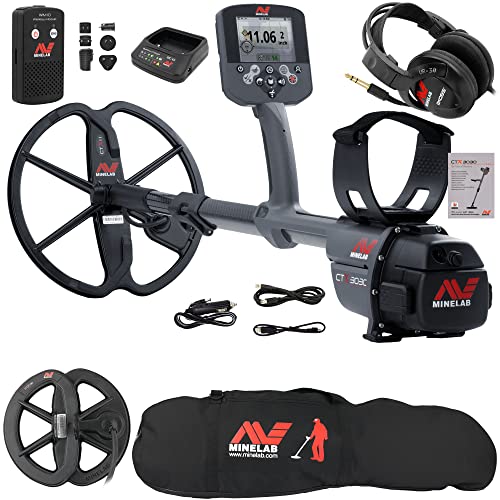
INCLUDES: MINELAB CTX 3030, 6' DD COIL, DETECTOR BAG
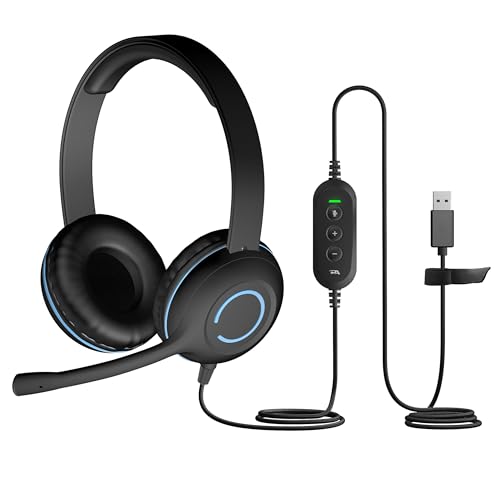
Ideal Stereo Headset: Padded earcup and headband with in-line control on cable for easy access to control audio volume. Unidirectional microphone minimizes unwanted noise. Microphone only picks up sound from a specific side or direction of the microphone minimizing ambient noise while speaking or recording. Perfect for K12 classrooms or home.
Types of Headphone Cables and Their Usability
Whether we’re at home, at the studio, or on the go, choosing the right headphone cable can greatly enhance our listening experience! 🎧 There are various types of headphone cables, each tailored for specific use cases and devices.
- 3.5mm Cables: Ideal for most portable devices like MP3 players.
- 2.5mm Cables: Found on mobile phones, often custom design.
- 6.3mm Cables: Common in professional audio gear, offering better signal quality.
We often find ourselves selecting cables based on different types of connectors—like dual 4-pin Tiny XLR for audiophile headphones. Plus, the materials, like high-purity copper conductors, can influence our sound quality. So, make sure you choose wisely; you’ll really enjoy the difference! 🎶 Additionally, using high-quality cables can complement the performance of professional audio interfaces, enhancing overall sound fidelity.
Recommended Products

‘M’-shaped grille following the curve of the speaker driver. Better linearity of the high frequencies

【Unique Artist Hand-Painted & 3D Printed Shell】 Each ES-C19 is a masterpiece featuring an ergonomic 3D-printed resin cavity and a faceplate uniquely hand-painted by artists, ensuring no two pairs are alike. The bundle includes multiple sizes of silicone and slow-rebound memory foam ear tips, plus an exquisite genuine leather carrying case for premium protection.

【Reengineering Balanced Armature Bass Response A new evolution in Softears' tuning technology】 Featuring the same driver configuration as the original RSV, RSV-MKI breaks through from traditional 3D-printed internal structures Adopting a fully reimagined acoustic design and precisely tuned energy distribution.
Custom Cable Solutions for Unique Needs
When it comes to customizing your headphone experience, having the right cable can make all the difference! 😄 Custom cable solutions let us tailor our setups to fit specific needs, ensuring that we get the most enjoyment out of our audio gear.
Customization Options
We can choose premium materials like copper or noble metal alloys for better sound! Plus, braided designs enhance durability, while protective sleeving improves clarity.
Length Customization
You can specify exact lengths for studio monitoring or stage performances, making our audio experience seamless.
Connectivity Choices
Connector options like 2-pin or MMCX match our headphones perfectly!
With these features, custom cables help us meet our user preferences and take our audio to the next level. 🎧
Frequently Asked Questions
Can I Use Any Cable Type for My Headphones?
It is understood it can be tempting to use any cable, but cable compatibility is essential. Using the right type guarantees the best sound quality, protecting our headphones and enhancing our listening experience together. Let’s choose wisely!
How Can I Reduce Cable Tangling During Use?
It is understood tangled cables can feel like a labyrinth we can’t escape. By mastering cable management techniques and practicing tangle prevention, we can create a harmonious experience, ensuring our headphones remain ready for every moment together.
What’S the Difference Between Coiled and Straight Cables?
When considering coiled benefits versus straight advantages, we find coiled cables excel in portability and durability, while straight cables offer extended reach. We recognize how our preferences shape our listening experiences in different environments together.
Are Longer Cables Better for Professional Audio?
Do we really want to sacrifice audio fidelity for extra length? While long cables offer mobility, we must weigh those advantages against potential signal degradation. Thoughtful cable length considerations can make a world of difference in our sound experience.
How Does Cable Thickness Affect Sound Performance?
When we consider how cable thickness affects sound performance, thicker cables often enhance sound clarity, especially with certain cable materials. For most setups, we’ll find that subtle differences aren’t always noticeable, fostering our shared audio experience.