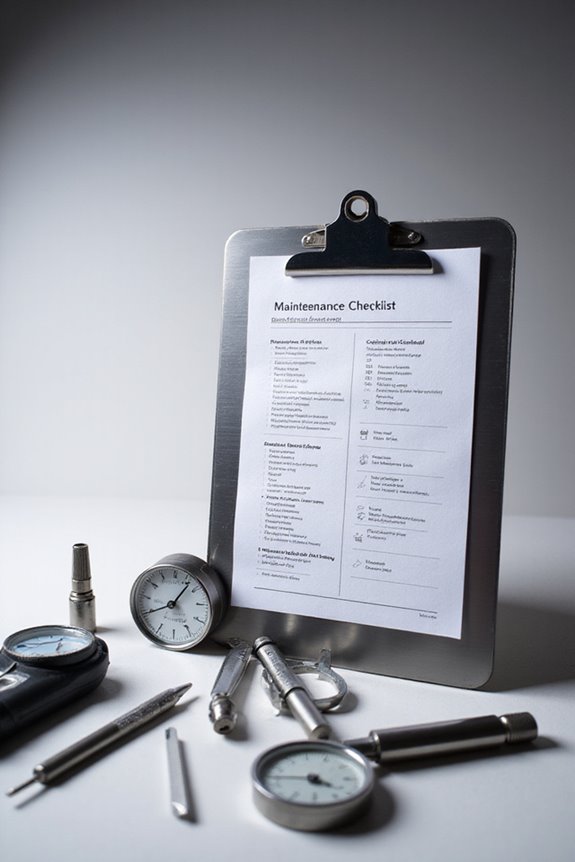

To keep our studio equipment humming smoothly, we should really stick to a maintenance schedule! We recommend daily tasks like cleaning surfaces and checking cables, weekly deep cleanings and firmware updates, and monthly inspections for wear and tear. Trust us, regular servicing not only boosts lifespan but also saves us from unexpected costs down the line! So, grab that anti-static cloth, and let’s keep our gear in top shape! 😊 Want to know more tips?
Key Takeaways
- Daily maintenance involves cleaning surfaces, inspecting cables, and powering down unused gear to ensure optimal performance.
- Weekly tasks include deep cleaning components, testing firmware updates, and organizing cables for better workflow.
- Monthly inspections focus on wear and damage assessment and calibrating audio levels for clarity.
- Regular preventative maintenance extends equipment lifespan and reduces costly emergency repairs.
- Following a structured schedule enhances reliability and performance, minimizing disruptions in production.
Overview of Scheduled Maintenance Frequencies
You may be interested
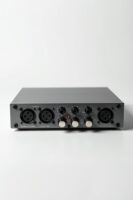
When it comes to keeping our studio equipment in top shape, we can’t afford to overlook scheduled maintenance! 🎛 Whether it’s daily dusting or annual diagnostics, each task plays an essential role in equipment longevity.
Daily Tasks:
- Clean surfaces to prevent dust buildup.
- Inspect cables for damage.
- Power down unused gear.
Weekly Tasks:
- Deep clean inside components.
- Test firmware updates.
- Organize cables to avoid tangling.
Monthly Tasks:
- Conduct extensive inspections for wear and damage.
- Calibrate audio levels for clarity, ensuring low latency performance for optimal recording quality.
Following this structured approach guarantees our equipment performs reliably. Keeping to a routine helps us enjoy our gear while maximizing its lifespan. So, let’s commit to scheduled maintenance together!
Importance of Preventative Maintenance
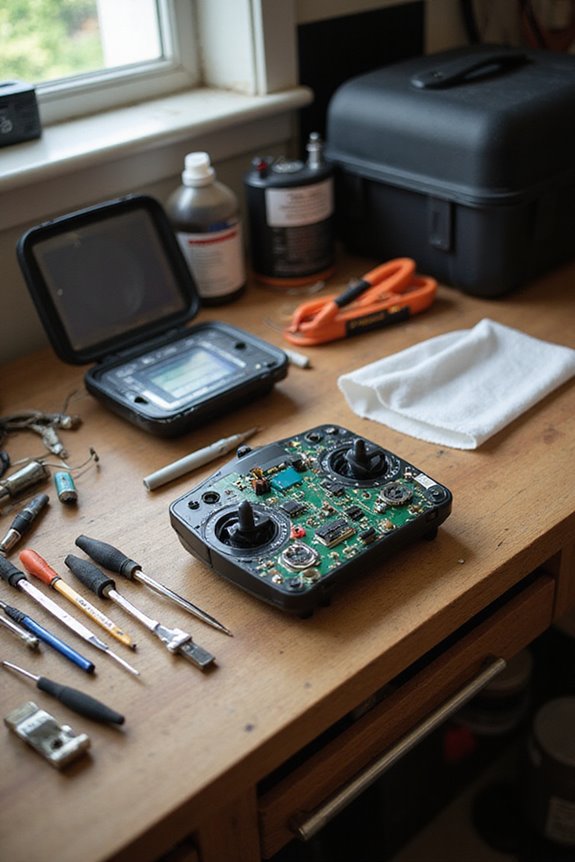
While we all want our studio equipment to run smoothly without any hiccups, neglecting preventative maintenance can lead to unexpected headaches down the line. 🚫🔧 By committing to regular check-ups and upkeep, we not only boost the reliability of our gear but also enhance its performance and longevity! Implementing preventative strategies greatly reduces maintenance costs, avoiding those pricey emergency repairs later on. Plus, it extends our equipment’s lifespan, allowing us to delay costly replacements. We can also plan maintenance during off-peak hours, minimizing disruptions to our workflow. In the end, staying proactive helps us guarantee safety and support a seamless production environment. So, let’s prioritize preventative maintenance and keep our studio running like a well-oiled machine! 🎵🌟 Additionally, ensuring our interfaces maintain high-quality converters is crucial for preserving audio clarity and fidelity over time.
Routine Cleaning and Care Practices
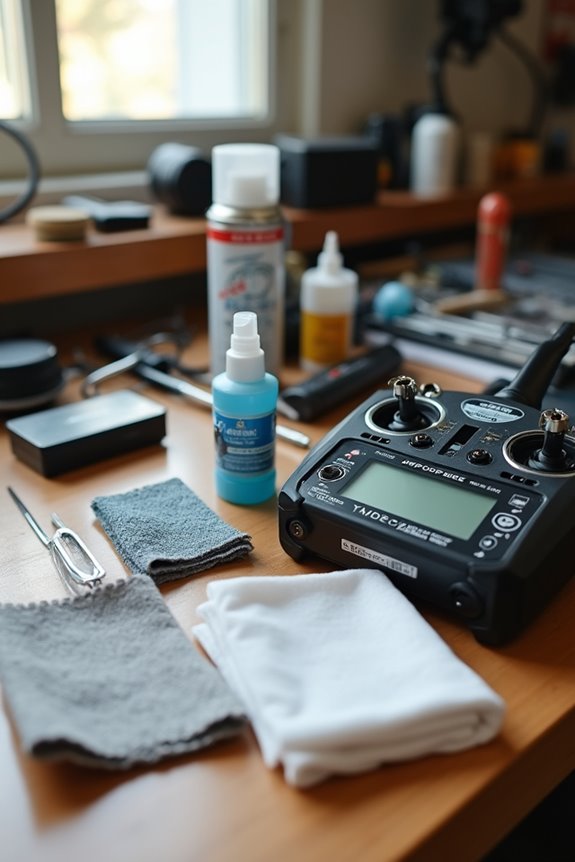
After prioritizing preventative maintenance, we can’t overlook the importance of routine cleaning and care practices. Staying on top of cleanliness helps maintain our gear and prolongs its life! Daily, let’s wipe down surfaces with anti-static cloths to evict dust and prevent pesky static buildup on our beloved gear. Don’t forget, disinfecting benches and machines is key—after all, cleanliness is next to music-liness! 😉 Weekly, we should blow out dust from faders and check cable health. Using appropriate cleaning tools, like microfiber cloths and mild cleaning agents, guarantees we treat our surface materials tenderly. And monthly, let’s give special attention to our microphones and instruments to keep them in tip-top shape. Together, we can foster a clean, vibrant studio environment!
Recommended Products

53 Gallon clean and shine drum

40’ ultralight sturdy professional-grade carbon fiber pole

Sony USA AUTHORIZED - Includes Full Sony USA WARRANTY | Industry-leading WH1000XM4/B Premium Noise Cancelling Wireless Over-the-Ear Headphones with Built In Microphone | Lose yourself in your journey, with no background noise to interrupt your favorite tracks | Hear important announcements while you wait without noticing other background noise.
Equipment Inspection and Testing Procedures
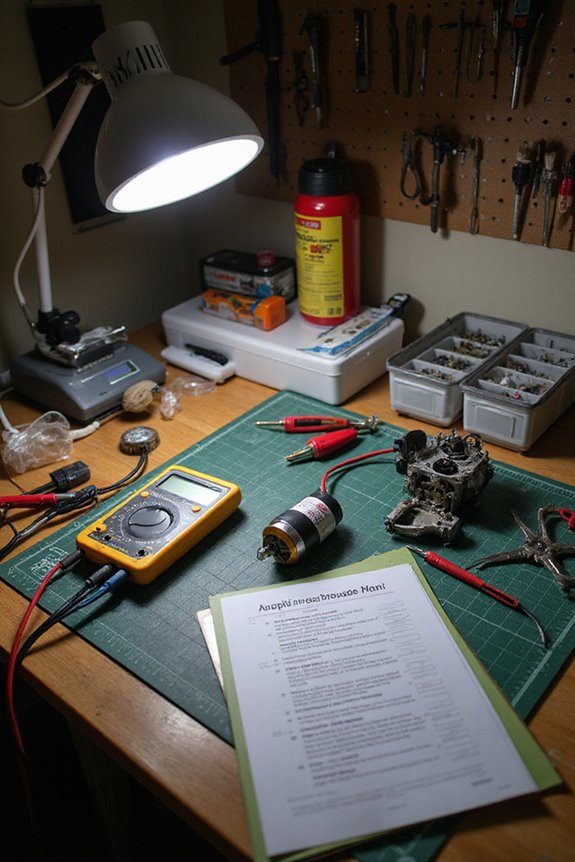
Before diving into the nitty-gritty of equipment inspection and testing, we need to recognize its vital role in keeping our studio gear performing at its best! An effective inspection checklist is key—this tailored guide guarantees we cover critical components thoroughly. We should schedule inspections based on manufacturer recommendations and usage frequency.
First, let’s perform a visual inspection, checking for any damage, frayed cables, or dust buildup. Next, we’ll follow proper testing protocols, confirming every function works smoothly without error signals. It’s important to include calibration checks and document each step. By staying diligent with our inspections, we’re not just preserving our equipment; we’re making certain our creative space runs seamlessly! 🎶 Additionally, ensuring latency performance during testing can enhance our recording experience by minimizing glitches.
Recommended Products

Vehicle inspection report book helps document and report needed repairs to help maintain safe workplace utility vehicles.

Form provides forklift operators with a safety and maintenance forklift checklist to be filled out at the beginning of each shift.

DOT Compliance - These driver's vehicle inspection report (DVIR) books ensures compliance with DOT regulations (49 CFR 396.11 and 396.13)
Best Practices for Maintenance Scheduling
When it comes to keeping our studio equipment in tip-top shape, establishing a solid maintenance scheduling framework is essential! First, let’s set up a detailed schedule that includes specific tasks, frequencies, and responsibilities for each piece of equipment. Using maintenance software can automate reminders, ensuring we don’t drop the ball on task accountability.
We might also consider calendar-based methods—fixed intervals are straightforward, while floating schedules adapt to usage, keeping us flexible. Additionally, tracking our maintenance history in a service log provides valuable insights.
Finally, let’s remember to educate our team. Regular training on equipment handling can prevent mishaps, ensuring our gear stays in peak condition. After all, a well-kept studio is a happy studio! 🎶
Recommended Products

✅ 【Holiday Mode】 Experience worry-free operation with Smart Holiday Mode – your printer auto-maintains ink flow during breaks, vacations, or storage. Say goodbye to clogged nozzles! Engineered for entrepreneurs who value reliability and seamless restarts.
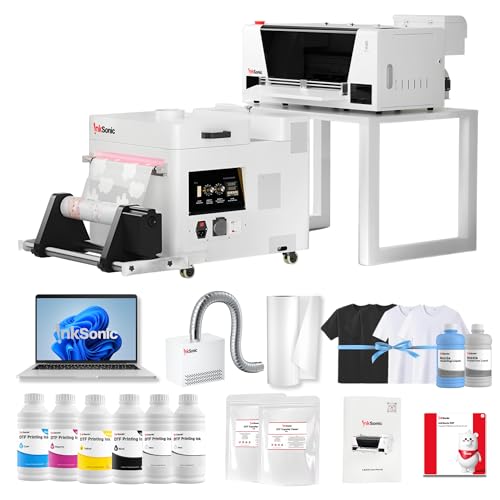
✅ [3-Min A3 Printing] Powered by the new F1080 low-temperature printhead, the InkSonic 2026 H13 delivers a full A3 print with fine color and a solid white underbase layer in just 3 minutes.That’s up to 200% faster than traditional L1800-based DTF printers.The upgraded InkSonic RIP software automatically optimizes layout to reduce film waste, with print data transfer completed in about 20 seconds, eliminating the long wait time before printing starts.

Enhanced Performance: The xTool P2S provides stronger airflow with more powerful exhaust fans and a dual-cylinder air pump, delivering sharper, cleaner cuts and engravings. It offers optical path indicators, and easier daily maintenance. With upgraded hardware and software, making the best desktop CO2 laser cutter become better.
Usage Recommendations for Longevity
To guarantee our studio equipment lasts longer and performs at its best, we need to follow some simple usage recommendations. First, let’s clean dust and debris weekly to prevent overheating—no one likes a hothead! 😊 Regularly check connectors and cables monthly to avoid signal issues. Don’t forget to calibrate audio monitoring every 3 to 6 months for accurate sound. To extend gear life, always power down equipment when not in use and avoid continuous operation; it’s like giving them a well-deserved nap! Finally, implementing these usage tips as longevity strategies—a blend of maintenance and care—will keep our studio running smoothly. Let’s commit to these practices together, because our equipment deserves some love! Additionally, ensuring high-quality sound recording can greatly enhance the effectiveness of your studio gear and its longevity.
Impact of Environment on Equipment Health
Keeping our studio equipment in prime condition isn’t just about how we use it. Environmental factors play a huge role in equipment degradation. For instance, dust accumulation can cause overheating—nobody wants a meltdown! 🥵 Humidity and spills lead to corrosion, and airborne chemicals might turn circuit boards into brittle relics. Plus, fluctuating temperatures create stress on components, causing potential failures.
We can boost our gear’s lifespan by ensuring proper ventilation—heat and dust don’t mix well! Investing in air filters and maintaining climate control are smart moves. So, let’s keep an eye on our studio environment. By doing this, we’re not just protecting our tools; we’re preserving our creativity and passion for music! 🎶✨
Custom Maintenance Plans for Unique Needs
Custom maintenance plans are essential because each piece of studio equipment has its own quirks and needs. By employing smart customization strategies, we can tailor our maintenance frequency to fit every item—be it a mixer or an amplifier. For instance, we schedule more frequent checks for equipment that’s heavily used.
We also consider the equipment lifecycle; as devices age, we ramp up maintenance intensity. Our plans can vary—with options for monthly, quarterly, or even yearly schedules. Plus, we stay flexible, adjusting based on real-time performance data! With a mix of preventative care and emergency servicing, we guarantee nothing catches us off guard. By crafting these unique plans together, we optimize your studio’s performance and reliability, making certain you’re ready for anything! 🎤✨ Additionally, we ensure that our equipment meets high-resolution capabilities to maintain superior sound quality.
Recommended Products

Not available in FL due to weather restrictions

4 Flexible Modes for Year-Round Comfort :Choose from Cool, Heat, Dry, Fan modes to adapt to any season. Customize airflow with 4 fan speeds (Low/Medium/High/Auto), plus specialized Sleep Mode (ultra-quiet 26dB), ECO Mode (up to 30% energy savings), and Turbo Boost for rapid cooling/heating

COMPLETE HYBRID APPRENTICE SETUP: This professional-grade kit includes 4 elite machines: the .44 Magnum Liner and .44 Winchester Shader coil machines, plus the Witch and Weaver linear action rotaries. Designed to grow with you from your first day of apprenticeship to professional studio work.
Benefits of Professional Service Agreements
By investing in these agreements, we not only keep our studio running smoothly, but we also create an environment where everyone feels supported and connected. Let’s embrace this smart choice together! After all, a well-maintained studio is a happy studio!
Recommended Products
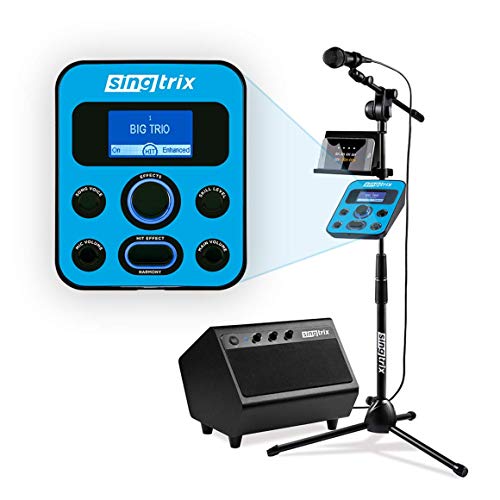
ULTIMATE FAMILY PARTY EXPERIENCE | MAKES BAD SINGERS SOUND GOOD & GOOD SINGERS SOUND AMAZING - from creators of Guitar Hero, featured on Shark Tank, Ellen, The Kardashians & more. Singtrix will be your go to device for home entertainment.

QUADRUPLICATE SERVICE LOANER AGREEMENT FORM: Professional 4-part carbonless service loaner agreement designed for car dealerships, auto repair shops, and service departments to document loaner vehicle usage, customer responsibility, charges, and return conditions with clear, organized loaner car paperwork.

Self-enclosed company records book made of elegant, black, soft-padded vinyl provides tight dust protection; manufactured with the patented Debossed Line Design and Turned Edge Construction; contents are secured by a closure made of Velcro; company name is finely etched in 24K gold on the spine of the binder; three 1 5/8 inch D rings hold nearly twice the capacity of ordinary corporate kits without extra bulk
Frequently Asked Questions
What Tools Are Recommended for Cleaning Studio Equipment?
In the symphony of studio upkeep, we must embrace quality cleaning solutions and microfiber cloths. Together, we’ll guarantee our equipment remains pristine, allowing creativity to flow unencumbered, nurturing our shared passion for artistry and innovation.
How Do I Know if My Equipment Needs Immediate Repairs?
When we notice repair indicators like performance drops or visible damage, it’s essential we consult our maintenance checklist. Timely interventions can prevent bigger issues, ensuring our equipment stays reliable and our creative work remains uninterrupted.
Can I Perform Maintenance Myself or Should I Hire a Professional?
When deciding between self maintenance tips or professional services, we should assess our skills and equipment complexity. Simple tasks can be DIY, while we should trust professionals for intricate repairs ensuring our studio thrives together.
What Signs Indicate That My Equipment Is Overheating?
When we feel our equipment warming up like a sun-soaked stone, it’s time to watch for overheating indicators. Recognizing these signs guarantees our gear’s longevity, helping us capture magic without equipment fuss or failure.
How Do I Maintain Equipment Warranties While Servicing?
To maintain our warranty coverage, we should consistently follow service documentation instructions, use authorized providers, and keep detailed logs. This way, we’ll guarantee our equipment remains protected while maximizing its performance and longevity.