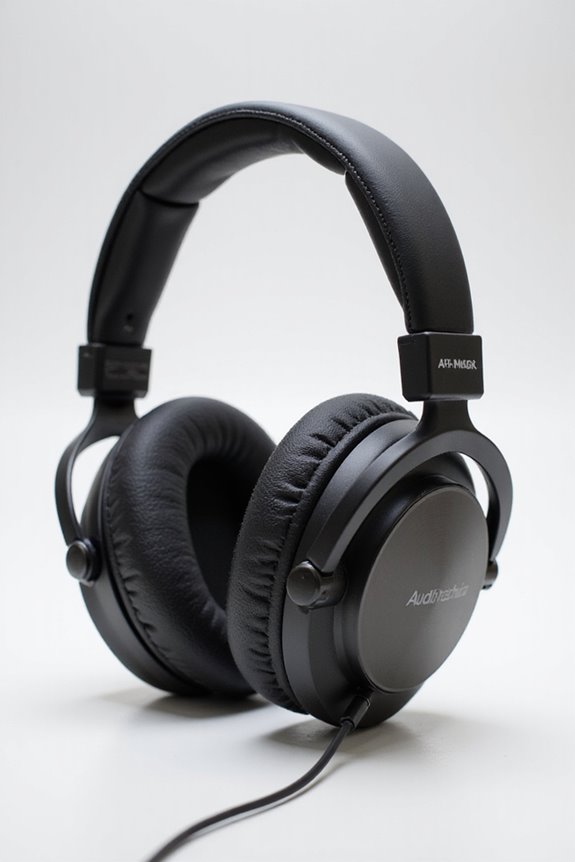
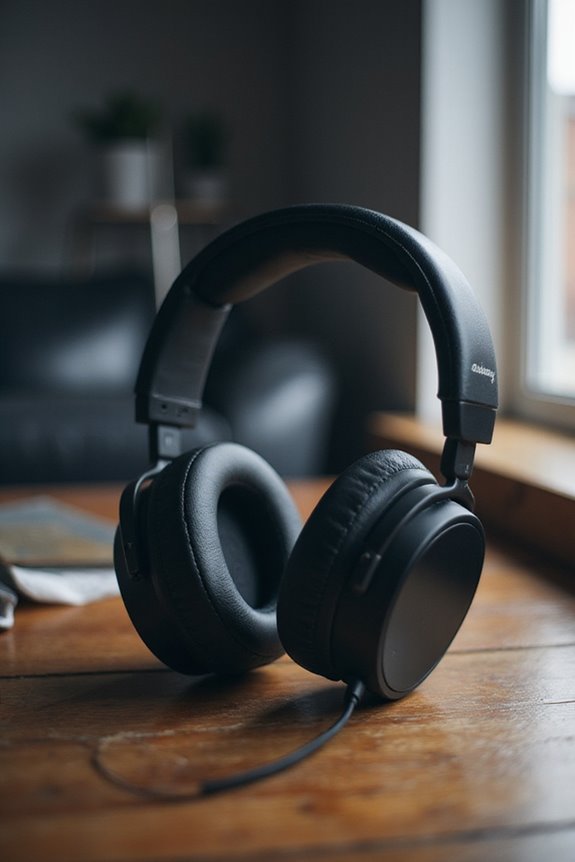

Noise cancelling headphones can be great for mixing, but they’re not without their quirks! 🎧 They help reduce distractions and improve focus by cutting out background noise. However, ANC can alter the frequency response, making mixes potentially less accurate. So, we should use them alongside studio monitors. High-quality ANC headphones can still offer clarity in subtle details! Want to mix like a pro? Stick around, and we’ll explore more tips and tricks!
Key Takeaways
- Noise cancelling headphones can enhance focus during mixing by reducing background noise and distractions.
- They offer audio immersion, helping you hear subtle details, but may alter the natural frequency response.
- Using ANC headphones alongside studio monitors can provide a more accurate mix reference.
- Over-boosted low frequencies can occur with headphone mixing, leading to potential inaccuracies in tonal balance.
- Comfort and lightweight design are essential for long mixing sessions; consider regular mix verification on different systems.
The Role of Sound Accuracy in Mixing
You may be interested
When it comes to mixing music, sound accuracy is the foundation we can’t ignore. 🎶 It’s like trying to bake a cake without measuring your ingredients—things can get messy fast! Sound fidelity guarantees we capture the true essence of our audio, revealing tonal balance and clarity. Without it, our mixes can sound muddy, hiding problems like frequency clashes.
With precise monitoring, we can make informed decisions about EQ and dynamics. For instance, tamed frequencies in low mids keep vocals shining through! Plus, accurate playback preserves dynamic range, giving our mixes a vibrant, expressive feel. Investing in headphones that feature wide frequency response will help ensure that all audio details are captured effectively. So let’s not cut corners—investing in high-fidelity headphones or speakers will elevate our mixing game, helping us craft mixes that translate beautifully across all platforms!
Acoustic Environment vs. Headphone Mixing
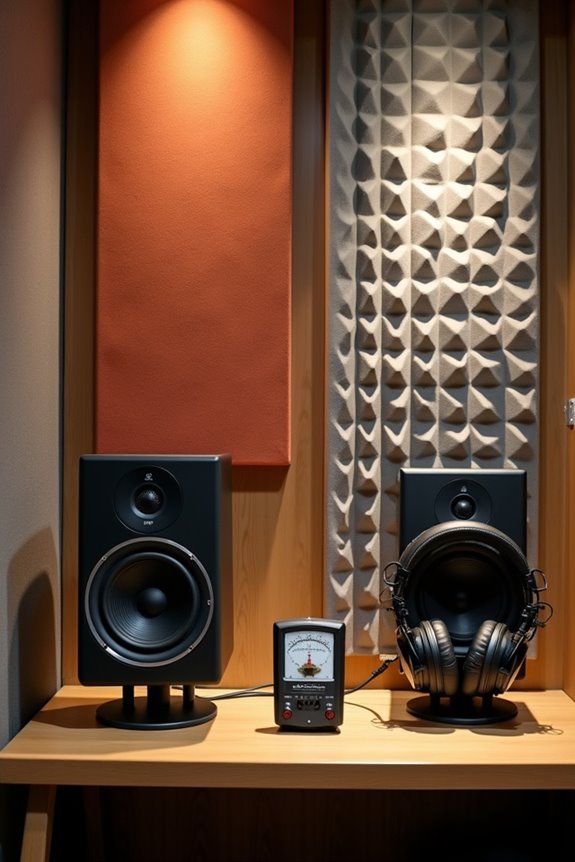
While we often think about the acoustics of a room, it’s important to reflect on how headphone mixing changes our perception of sound. 🎧 Mixing with studio monitors in a properly treated space can provide depth and dimension that headphones can’t always replicate. Studio monitors interact with room acoustics, creating shifts in timing that headphones can’t offer.
When we mix on headphones, we might enjoy consistency and portability, but we lose those rich spatial cues. It’s essential to take into account how acoustic treatment can enhance our mixing experience. A well-treated room can prevent misjudgments in bass, but headphones can lead to over-boosting those low frequencies! Additionally, using high-resolution capabilities like 24-bit/192kHz can further improve the accuracy of your mixes. Finding balance between environments can bring your mixes to life, so let’s embrace both worlds!
Benefits of Noise Cancelling Technology for Mixers
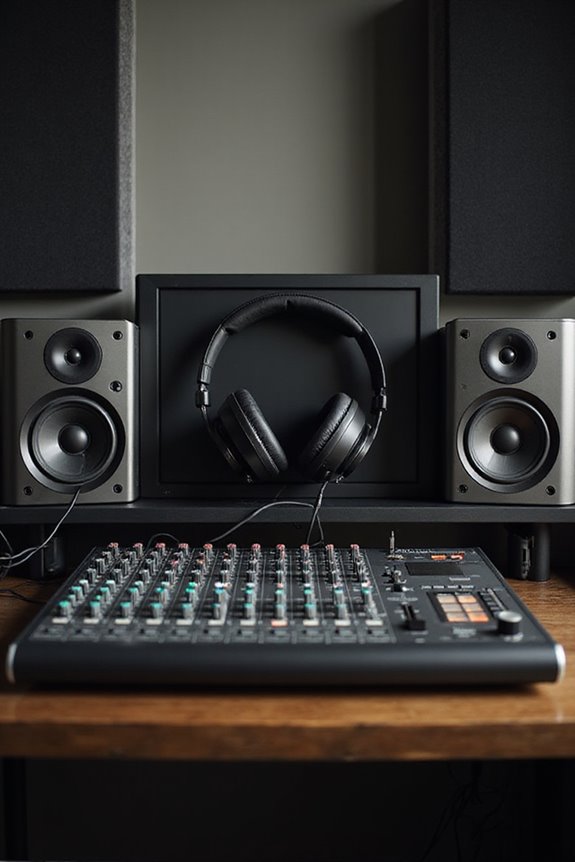
Noise cancelling technology isn’t just a fancy feature; it’s a game changer for mixers! 🎧 With ANC headphones, we can plunge into a world of audio immersion, tuning into every tone and layer. The clarity they offer makes it easier to catch those subtle nuances in our tracks. Plus, when we’re collaborating, clearer communication means creative ideas flow freely, minimizing misunderstandings. We can stay focused longer, too, thanks to the reduction of background noise, which helps maintain our concentration during long mixing sessions. Whether we’re working in a buzzing café or our home studios, ANC technology adapts, keeping our sound consistent. So, if you want a reliable mixing experience, let’s embrace this brilliant tech together!
Limitations and Drawbacks of Using ANC Headphones for Mixing

Though ANC headphones offer a great escape from the surrounding chaos, they can come with a few unwanted side effects when we mix. 🎧 For starters, the technology alters the natural frequency response, leading to inaccuracies, especially in bass and treble. These ANC drawbacks can create mixing challenges, making it hard to achieve a balanced sound.
Additionally, the closed-back design may flatten stereo imaging, hindering our perception of spatial cues. Ear fatigue can sneak in too, thanks to the constant cancellation effects, resulting in decisions that might not be our finest work. Don’t forget the battery dependency, which can lead to unexpected shutdowns! To summarize, while ANC headphones can provide comfort, they might not offer the fidelity we truly need for mixing excellence. Moreover, open-back designs, such as those found in the Sennheiser HD 599, are known for their exceptional sound quality and wide soundstage, making them more suitable for mixing tasks.
Recommended Products

Customizable color LCD on jog display screens are located in the CENTRE of each jog wheel, reveal only the information you need whether that’s BPM, waveform, playback position or Hot cue, loop points

A perfect combination of the LCD-X and LCD-4: the easy-to-drive voice coil of the LCD-X combined with the 1.5 Telsa magnetic force of the LCD-4

Open back, around ear, reference class dynamic headphone
Comparison of ANC Headphones to Traditional Studio Headphones
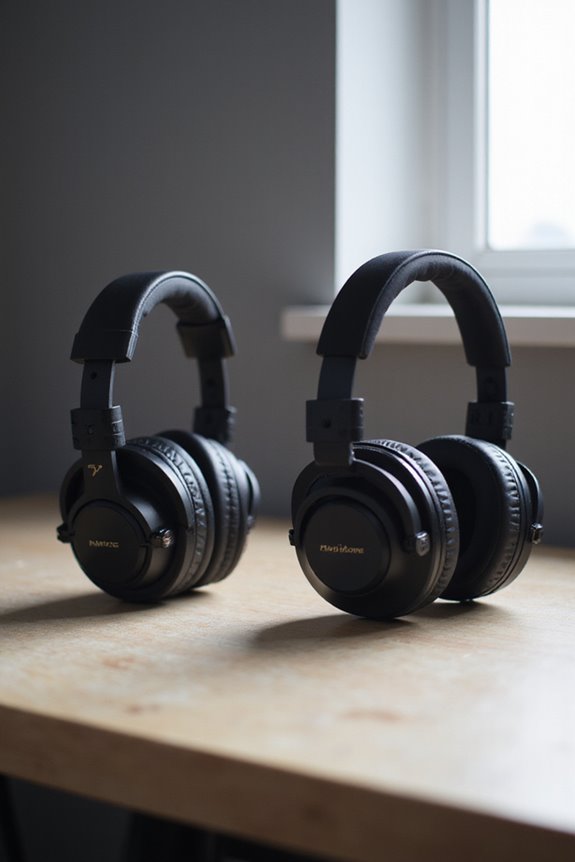
When weighing our options for mixing, we find ourselves at a crossroads between ANC headphones and traditional studio headphones. ANC effectiveness shines in noisy environments, but the trade-off can be significant when tackling mixing challenges. Traditional studio headphones deliver flat, accurate audio reproduction, crucial for making precise mixing decisions. They maintain a natural soundstage, allowing us to hear every subtle detail without unwanted coloration. In contrast, ANC headphones can alter frequency responses, potentially masking essential audio cues. Effective noise isolation is better achieved with traditional studio headphones, ensuring an uninterrupted mixing experience.
Practical Recommendations for Mixing With ANC Headphones
While mixing with ANC headphones can feel like magic, we must approach the task with a balanced mindset. Here are some practical tips and mixing strategies to optimize our sessions:
- Use as Supplementary Reference: Treat ANC headphones as a secondary tool—cross-check with studio monitors.
- Adjust Levels: If your model allows, tweak ANC settings to find a balance; don’t let artifacts trip us up!
- Prioritize Comfort: Choose a lightweight pair with good ear cushion—mixing long hours requires comfort to stay focused!
- Frequent Checks: Regularly verify mixes on different systems to catch any masked details.
- Collaborate Effectively: With ANC, communication is key! Keep your mic handy for seamless teamwork.
In addition, ensure that your headphones have a frequency response that meets professional standards for optimal sound quality.
Let’s make great mixes together!
Recommended Products

Complete Wireless System: Bundles the flagship HDJ-F10 with the HP-TX01 transmitter for cable-free DJing out of the box

Extra comfortable monitoring with ultra-low latency wireless communication via SonicLink

THE BEST NOISE CANCELLATION: Powered by advanced processors and an adaptive microphone system, the WH-1000XM6 headphones deliver real-time noise cancellation for an immersive, distraction-free listening experience.
The Impact of ANC on Frequency Response
Mixing with Active Noise Cancelling (ANC) headphones can truly change the landscape of our audio experience, but it also comes with some unique challenges regarding frequency response. While ANC helps us enjoy music without distractions, it might introduce sound coloration. This tech often modifies low frequencies, causing unintended dips or peaks that can skew our mixes.
For accurate mixing, we crave a flat frequency response. Unfortunately, ANC systems rarely deliver that, often sacrificing neutrality for noise suppression. To achieve better accuracy, we might need custom equalization to correct these frequency deviations. So, even though ANC headphones can be handy, we should be mindful of how they might affect our mixing decisions! 🎧
Balancing Noise Cancellation and Mixing Integrity
To strike the right balance between noise cancellation and mixing integrity, we need to be mindful of how ANC headphones influence our listening experience. 🎧 Their ability to shut out ambient sound is fantastic for focusing on the details of our mixes, but it can also lead us down a slippery slope of auditory misjudgments.
Excessive noise cancellation might mask essential cues, like natural room reverb, affecting our mixing balance. Plus, those spatial alterations may skew our panning decisions. We can combat these pitfalls by switching between ANC headphones and monitors, ensuring we catch any tonal inaccuracies or undesirable changes in frequency response. That way, we keep our ears sharp and our mixes well-balanced. Remember, hearing is believing! 😊
The Future of Headphone Technology in Music Production
As we plunge into the future of headphone technology in music production, it’s thrilling to see how innovations will redefine our creative processes! 🎶 With AI integration, we’ll enjoy real-time sound customization tailored to our preferences. Imagine headphones adjusting sound profiles based on our surroundings—that’s convenience!
Spatial audio is another game-changer, transporting us into immersive 3D soundscapes that feel like live performances.
Plus, advancements in wireless connectivity mean longer battery life and seamless multi-device collaboration. We’ll be able to produce anywhere, encouraging creativity without bounds!
Keep an ear out for high-definition and lossless audio formats making their way into everyday headphones, ensuring we stay at the forefront of professional sound! Let’s embrace this exciting audio evolution together! Additionally, emerging technologies will likely incorporate Hybrid Active Noise Cancelling technology, enhancing our ability to focus on intricate sound details during mixing sessions.
Frequently Asked Questions
Can ANC Headphones Harm Your Hearing During Extended Mixing Sessions?
Like a ship steering through stormy seas, we must be cautious with ANC headphones. While we crave sound isolation, improper use during mixing can lead to hearing damage. Let’s prioritize our ears and take breaks together.
Are There Specific Brands Better Suited for Mixing With ANC Headphones?
When we consider brand comparisons for mixing, it’s essential to focus on headphone features. Some ANC models, like Sony, offer detailed sound, but we often prefer traditional studio headphones for their accuracy and neutrality.
How Do ANC Headphones Affect the Perception of Reverb in Mixes?
In the world of mixing, “don’t throw the baby out with the bathwater” applies; ANC headphones can skew reverb perception, impacting our mixing accuracy. We should always double-check with open-back headphones for a balanced sound.
Can Tuning or EQ Adjustments Improve ANC Headphone Performance for Mixing?
When we explore tuning techniques and EQ settings, we can slightly enhance ANC headphone performance. However, we can’t fully achieve the accuracy needed for mixing; expert calibration is essential for ideal results in our sound journey.
Is It Possible to Use ANC Headphones Effectively for Live Sound Monitoring?
We can definitely explore using ANC headphones for live sound monitoring, but we should be cautious. Effective monitoring techniques may still require more reliable options, like passive headphones, for better fidelity and dynamic range.