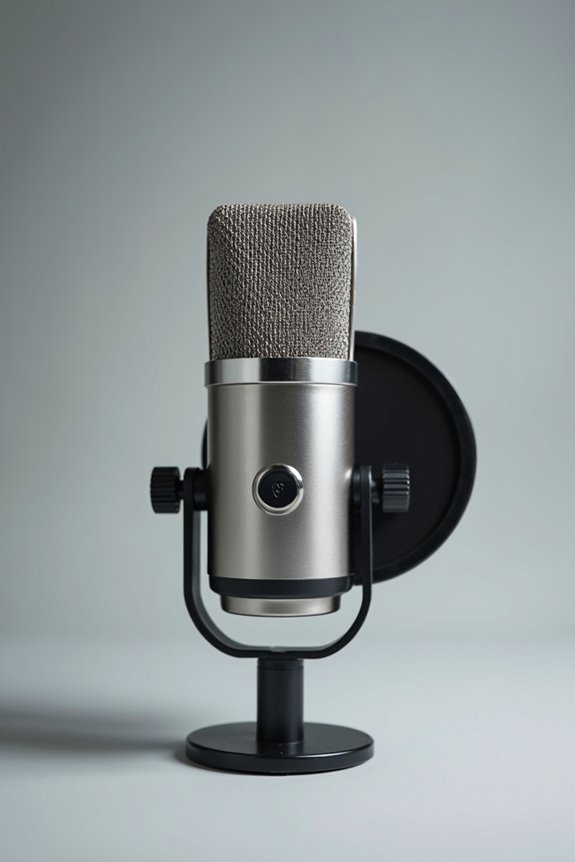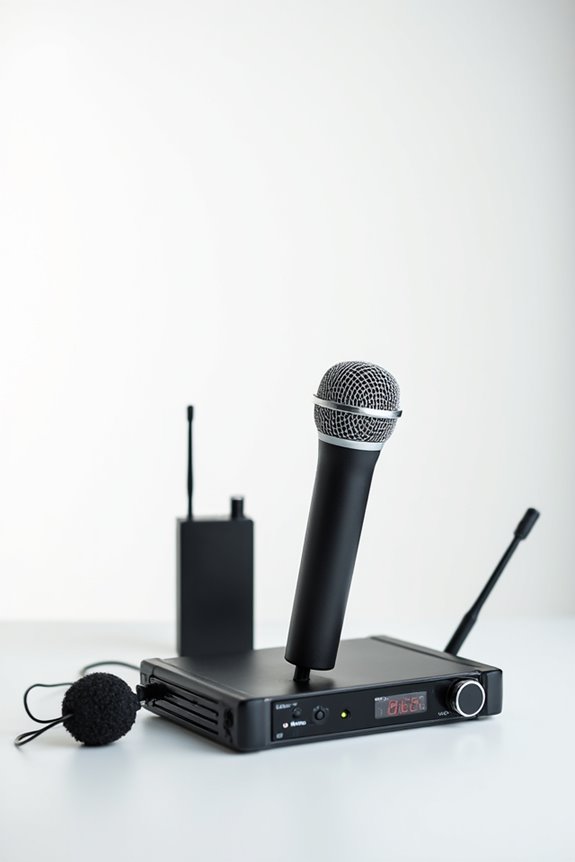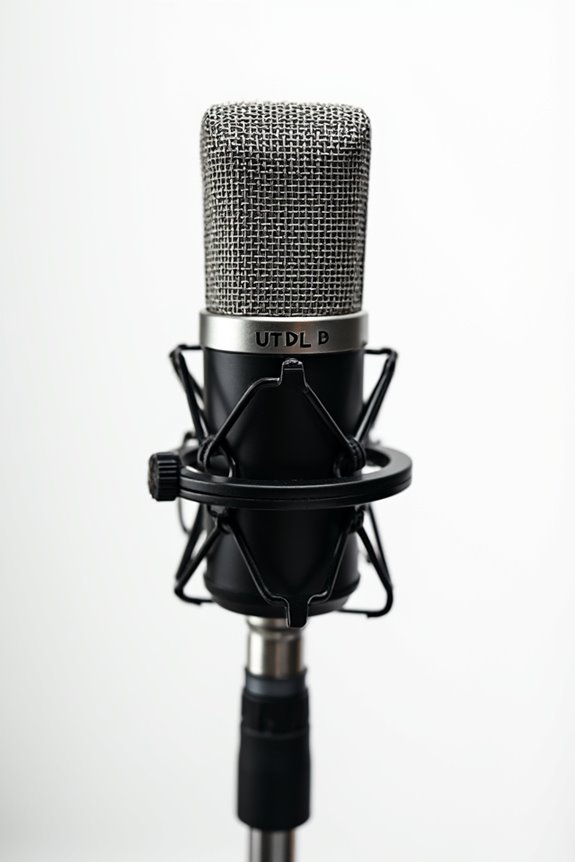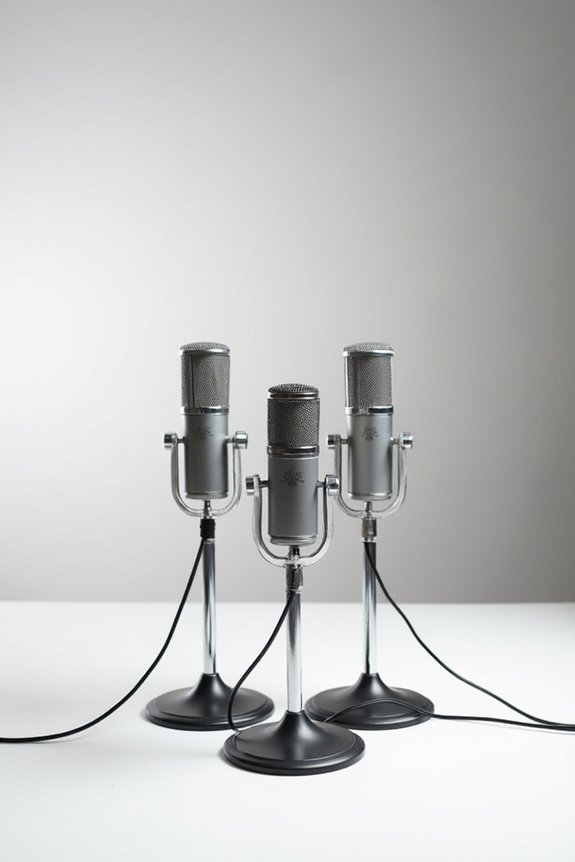
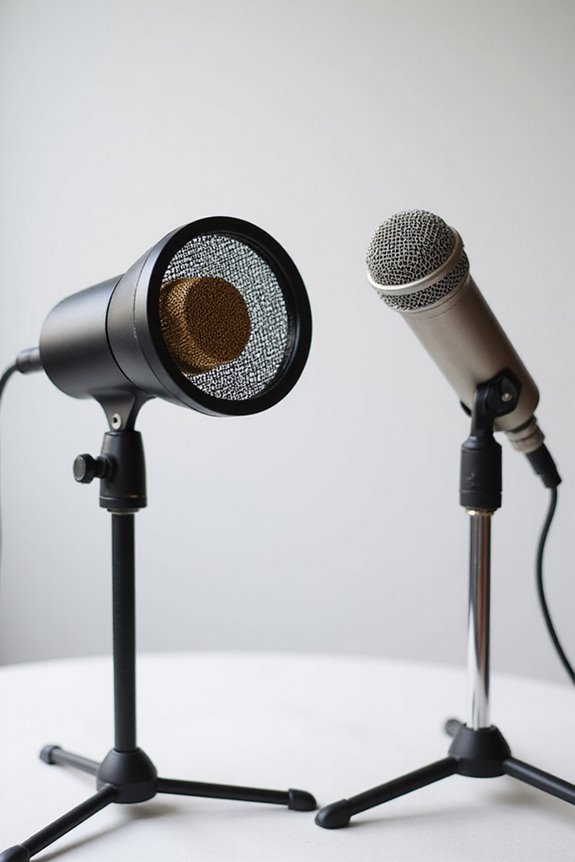

Stage and studio microphones have different roles! 🎤 Stage mics are tough and resist feedback, perfect for live shows, while studio mics offer precise sound quality for controlled spaces. Dynamic mics work great on stage due to their ruggedness, while condenser mics capture detailed vocals in the studio. Popular picks include the Shure SM58 for stage and the Neumann U87 for studios. Each mic has unique specs tailored to its environment, and there’s always more to uncover!
Key Takeaways
- Stage microphones are designed for durability and feedback reduction, while studio microphones prioritize sound quality and precision in recordings.
- Dynamic microphones are better suited for live performances due to their ruggedness and lower sensitivity, compared to sensitive condenser microphones used in studios.
- Studio microphones offer a flatter frequency response for accurate sound reproduction, whereas stage microphones have boosted midrange for clarity in noisy environments.
- Handling noise is minimized in stage microphones, while studio microphones often require additional accessories, like shock mounts, to reduce unwanted sounds.
- Cost varies significantly, with stage mics usually priced between $30-$300, while studio mics start around $100 and can exceed $1,000 for high-quality options.
Purpose and Environment
You may be interested

When it comes to microphones, understanding their purpose and environment is key! 🎤🎶 Stage and studio microphones serve distinct roles that cater to different settings, and knowing the differences can help you choose the right tool for your needs.
Stage Microphones are built for live performances, handling unpredictable acoustic environments. They’re rugged, minimizing feedback and handling noise, so you stay focused on your performance.
Studio Microphones, on the other hand, thrive in controlled spaces with ideal acoustics. Their mission? Capturing every detail with precision! For optimal vocal tone capture, select microphones that prioritize frequency response to enhance your recordings.
In both cases, these microphone applications highlight how purpose meets environment. So, whether you’re rocking the stage or laying down tracks in a studio, knowing which mic suits your needs uplift your sound experience! Let’s get started!
Frequency Response and Sound Characteristics
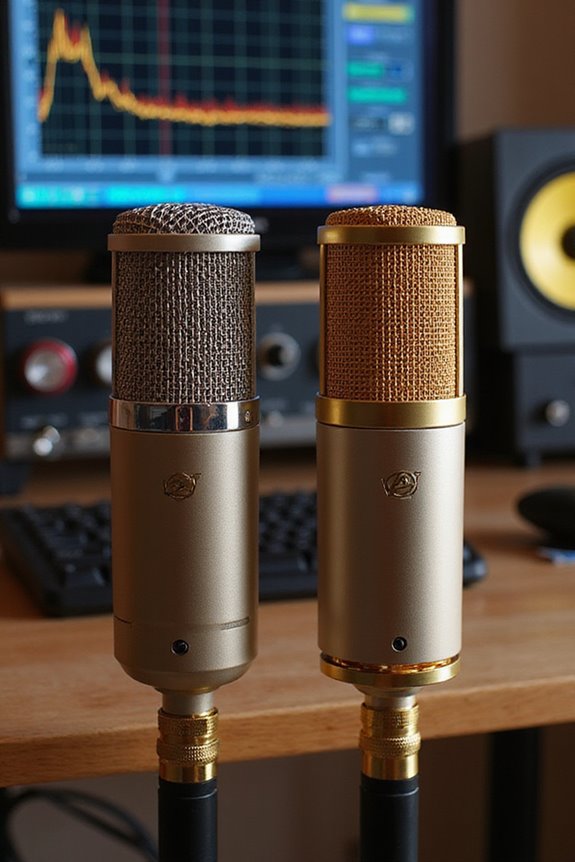
While understanding frequency response and sound characteristics may seem intimidating at first, it’s actually essential for anyone interested in audio! 🎶 When choosing between stage and studio microphones, we find that their frequency response shapes greatly influence how they capture sound.
Studio mics generally offer a balanced, flatter frequency response, making them perfect for accurately reproducing instruments and vocals. In contrast, stage mics have a shaped response, often boosting the midrange to enhance vocal clarity amidst crowd noise. This helps create that punchy sound you hear on stage! However, too much boost can lead to harshness. So, consider what you need—accuracy for studio work or vocal enhancement for live performances. Each mic’s sound characteristics play a huge role in shaping your audio experience! Additionally, studio microphones often feature higher signal-to-noise ratios for clearer recordings, which is crucial for professional-quality audio.
Recommended Products

Flat frequency response delivers true-to-life sound, Requires plus 48V phantom power

Large-diaphragm Condenser Mic with Wooden Box - Matte Black

Includes QLXD1, QLXD4, instrument Cable, power supply, 2 AA batteries, two 1/2 wave Antennas, 2 BNC cables, zipper bag, 2 BNC bulkhead adapters, rack mount kit, and user guide
Microphone Types and Suitability

Choosing the right microphone for your needs can feel like a high-stakes game of musical chairs! 🎤 With two primary types—dynamic and condenser microphones—each has its unique uses and advantages that can elevate your sound experiences.
Dynamic microphones are rugged, perfect for live performances, where durability is key. They’re better suited for loud vocals and reject feedback effectively. On the flip side, condenser microphones shine in studio settings, capturing nuanced details with incredible accuracy, making them ideal for vocals and delicate acoustic instruments.
When deciding which microphone types to use, consider your recording techniques! Condensers need power and are more sensitive, while dynamics are passive and robust. Ultimately, it’s about striking that perfect balance, ensuring your audio shines, whether on stage or in the studio! Additionally, understanding the directionality of microphones can help you choose the right model for your recording environment.
Recommended Products
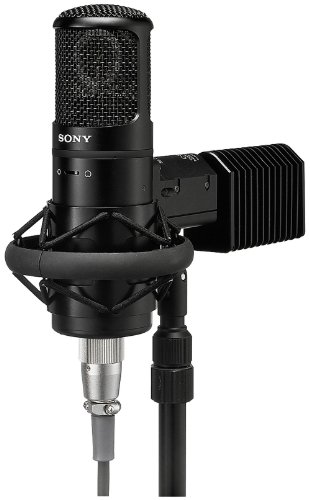
Multipattern Microphone: Captures sound in various directions for versatility

The legendary AKG sound used on dozens of number-1-hits an enhanced version of the highly sought-after AKG C12 built 1953-1960.

Bundle Includes: 1 x Sony Alpha a7S III Mirrorless Digital Camera (Body Only), 1 x Sony FE 24mm f/1.4 GM Lens, 1 x Lilliput A7S 7" Full HD Monitor, 1 x Sony MDR-7506 Headphones, 1 x Audio-Technica PRO 24-CM Stereo Condenser Microphone, 2 x SanDisk SecureDigital 64GB Extreme PRO Memory Card, 3 x NP-FZ100 Rechargeable Battery, 1 x Corel Photo Software With PhotoMirage, AfterShot, Painter Essentials, PaintShop Pro, and Video Studio, 1 x Professional Aluminum Tripod and more...
Durability and Handling Noise
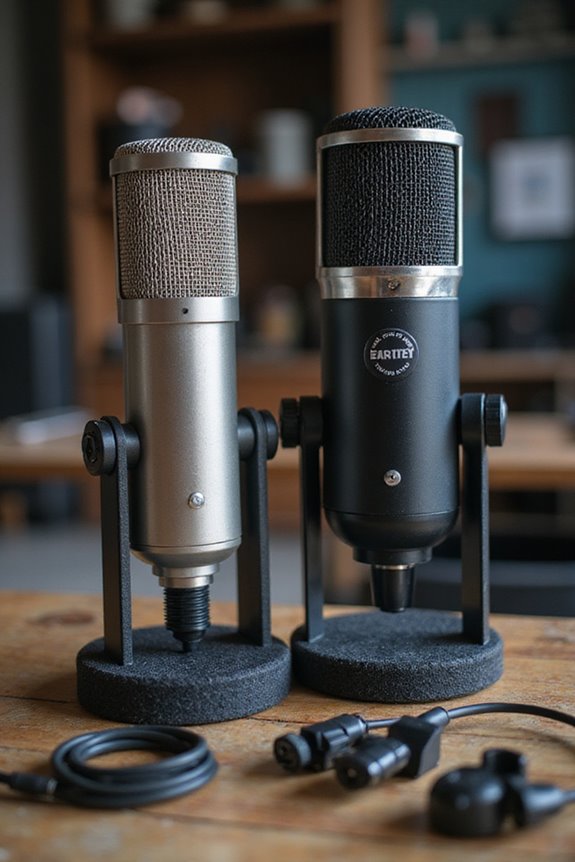
We’ve explored the types of microphones and their various uses, but now let’s talk about something just as essential: durability and handling noise! 🎤 Selecting a mic for your live shows or studio sessions means understanding how each type stands up to the rigors of performance and recording.
Stage microphones shine in durability features, built with metal bodies to handle drops and rough handling. They minimize handling noise too, thanks to lower sensitivity that reduces unwanted sounds. Meanwhile, studio microphones focus on sound quality but often lack ruggedness; they pick up more handling noise. To combat this, we use shock mounts and isolation accessories. Additionally, microphone polar patterns play a significant role in enhancing source isolation and reducing background noise. So, when choosing your mic, think about where you’ll use it—because nobody wants a fragile friend during a high-energy performance!
Feedback Resistance and Placement
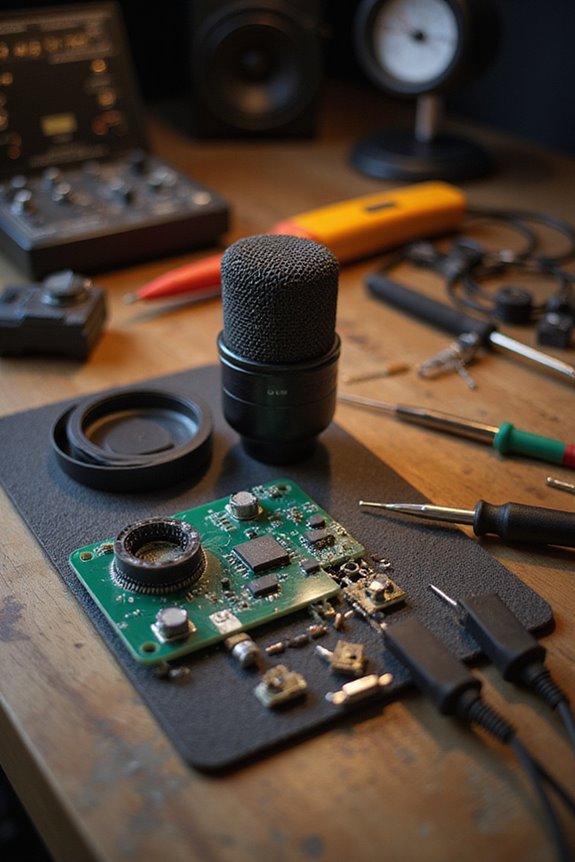
When it comes to preventing feedback, understanding microphone placement is crucial for both stage and studio environments. On stage, we’ve got to be mindful of feedback loops! Close mic placement minimizes ambient noise and monitors, creating a strong defense against unwanted sound feedback. 🎤 However, this also boosts low frequencies due to the proximity effect, so stage mics often come with low-cut filters!
In the studio, we can enjoy more flexible placements without the worry of loud monitors. Here, our microphones utilize sensitive directional patterns to capture nuanced sounds. Just remember, while studio mics excel at sound quality, they need careful positioning too. Balancing all this guarantees we can capture our best sound while avoiding pesky feedback!
Cost Considerations
Cost considerations play a significant role in selecting the right microphone for your needs! 🎤 With prices ranging from $30 to over $1,000, it’s essential to understand what you’re investing in.
Recommended Products

Requires +48V phantom power

Matched Pair Studio Grade Professional Large Diaphragm Vocal and Instrument Condenser Microphone with Rugged Aluminum Carrying Case. XLR Connector. Astounding sound quality for lead vocals and solo instruments
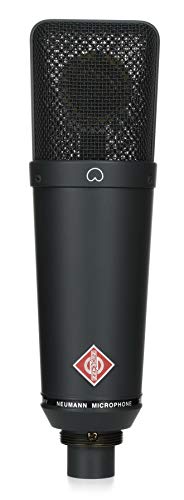
Large-diaphragm Double-membrane Cardioid Condenser Microphone - Black
Price Variations
Stage microphones are budget-friendly, often costing between $30 and $300. They’re durable! Studio mics, on the other hand, start around $100 and can reach beyond $1,000 due to their advanced technology.
Investment Return
When investing in a quality studio mic, you’re likely to enjoy a better sound return on your recordings! Cheaper options may suffice for casual use but can lack durability and sound fidelity. Dynamic microphones are frequently recommended for their robust performance in both studio and live environments.
In the end, balancing your upfront cost against long-term benefits and intended use is key. Let’s make smart decisions together!
Proximity Effect and Its Importance
Understanding the proximity effect is essential for both budding and seasoned audio engineers alike! 🎶 Fundamentally, it refers to the increase in low-frequency output when you’re up close to a directional microphone, creating a richer, fuller sound. This effect can greatly enhance voices and instruments, giving them that “fatter” quality we often crave in recordings.
Think of microphones like cardioids or figure-of-eights; the closer you get to your sound source, the stronger the bass boost—with up to 16 dB increase! We can creatively use this to add warmth, making vocals feel more inviting. However, if we’re not careful, it might lead to muddiness. So, let’s embrace the proximity effect to capture those stunning sounds we all love! Additionally, utilizing dynamic microphones can further enhance the capturing of different instruments, allowing for greater versatility in your recordings.
Compatibility With Instruments and Vocals
Now that we’ve got a handle on the proximity effect, it’s time to explore how different microphones are compatible with various instruments and vocals! 🎤 Choosing the right mic can make all the difference in capturing the perfect sound, and let’s face it, nobody wants to battle with feedback or muddiness on stage or in the studio.
For studio use, high-sensitivity condenser microphones shine, expertly capturing delicate vocal nuances and acoustic instruments. In contrast, dynamic mics on stage excel with loud sound pressure levels, fitting live vocals and instruments like guitars and drums. Remember, it’s all about microphone compatibility and instrument sensitivity! By picking the right type, we can enhance our performances and recordings, ensuring every note hits just right!
Popular Brands and Models for Each Setting
When it comes to finding the perfect mic for our gigs or recording sessions, the variety of popular brands and models can be both exciting and overwhelming! 🎤 Whether we’re belting out our favorite tunes on stage or capturing the emotions of a delicate acoustic piece in the studio, knowing what options are available helps us make informed choices.
For stage use, the Shure SM58 is a classic with its durability, while the Sennheiser e835 offers incredible clarity. In the studio, we can’t overlook the Neumann U87 for lush vocals, or the versatile AKG C414.
Exploring these brand preferences and model comparisons helps us connect better with our sound, whether we’re on stage or in the sound booth!
Recommended Products

Accompaniment Styles add a "backing band" when you play or perform for dynamic and professional results. Customize and personalize your music while maintaining control over chord changes and arrangements.

8 award-winning Midas PRO mic preamps and 8 Midas PRO outputs onboard
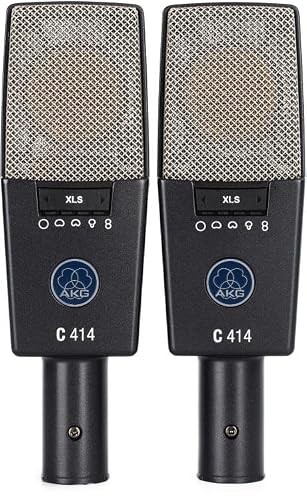
Matched Pair of Multi-Pattern Large-diaphragm Condenser Microphones Complete with Accessories Hard Case
Choosing the Right Microphone for Your Needs
So, how do we choose the right microphone for our needs? 🎤 It can feel a bit intimidating with so many options available! Understanding microphone features and knowing our user preferences are essential.
If we’re heading to the stage, let’s grab a rugged dynamic mic! These bad boys resist moisture and feedback, making them perfect for live performances. Look for cardioid or supercardioid patterns to keep unwanted noise at bay!
In the studio, we’ll want to embrace the exquisite details that a condenser mic offers. They capture those soft nuances beautifully, but remember, they need phantom power to shine.
Ultimately, our choice should reflect our environment and style. So, let’s pick one that feels right for us! 🎶
Recommended Products


Wireless lavalier set , Includes (1) SK 500 G4 body pack, (1) MKE 2 Gold lavalier microphone (omnidirectional, condenser), (1) EM 300-500 G4 rackmount receiver and (1) GA3 rack kit

KICK DRUM MICROPHONE: The D6 is an excellent choice for kick drums, featuring a frequency response of 30Hz-15kHz and a cardioid pick-up pattern that doesn't require finding the drum's "sweet spot."
Frequently Asked Questions
How Do Dynamic and Condenser Mics Differ in Design?
When we explore dynamic and condenser mic designs, we see dynamic mics typically have narrower frequency responses and specific polar patterns, while condensers offer broader responses and versatile patterns, enhancing our recording experiences together.
Can Studio Mics Be Used for Live Performances?
Imagine a delicate flower blooming in a bustling city; studio mics can thrive in live sound, but we must guard their mic durability. With care and proper setup, they can indeed enchant the stage!
What Accessories Enhance Mic Performance in Both Settings?
To enhance mic performance in both settings, we can use shock mounts to reduce noise and pop filters to prevent plosive sounds. These accessories help us achieve clearer audio, ensuring our recordings and performances shine.
Are There Hybrid Mics Suitable for Both Studio and Stage?
With hybrid microphone features like switchable polar patterns and performance versatility, we can seamlessly shift from studio tracks to stage performances, all while enjoying the freedom and creativity that these incredible mics provide together.
How Do Microphone Placements Impact Sound Capture in Each Environment?
When we consider microphone positioning, we find it essential for ideal sound quality. In studios, precise placements capture nuanced details, while on stage, strategic positioning minimizes feedback, ensuring every performance resonates with our audience.