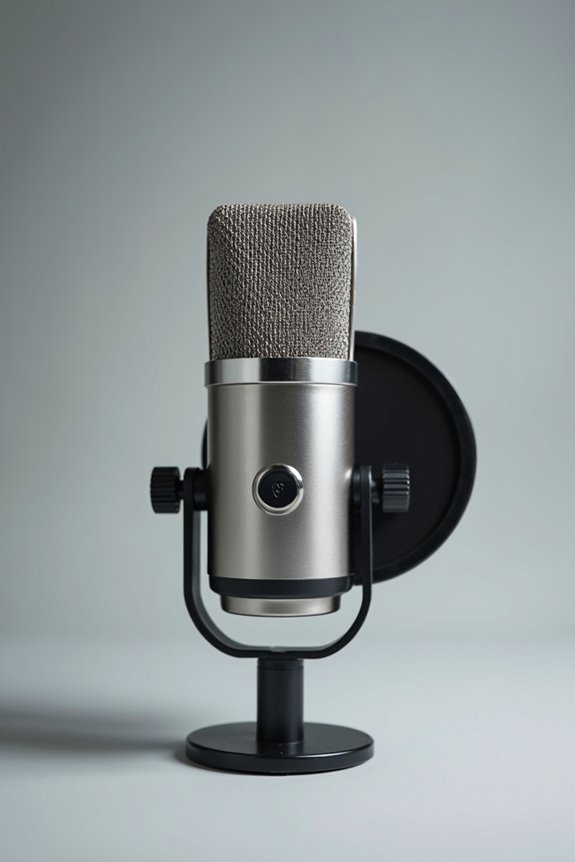
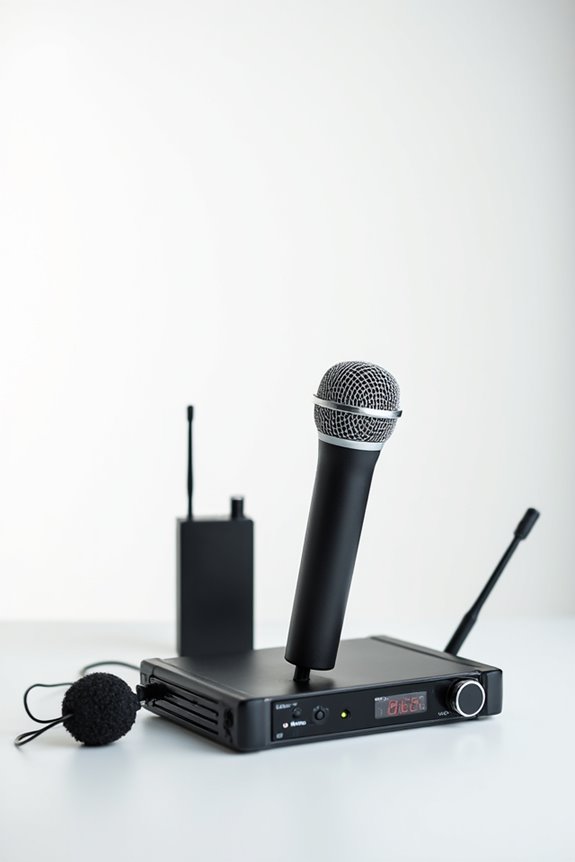

Are wireless microphones reliable? Absolutely! When used correctly, they deliver fantastic sound quality, with a signal-to-noise ratio (SNR) often exceeding 90 dB! 🎤 However, be mindful of potential issues like frequency interference from other devices and battery life. Many modern systems have great features like automatic frequency scanning and AI-powered noise cancellation, which enhance stability. If you’re curious about how these aspects impact your audio experience, stick with us to learn more about wireless microphone technology!
Key Takeaways
- Digital systems enhance the reliability of wireless microphones by providing better connectivity and reduced noise compared to analog systems.
- Automatic frequency scanning features help in avoiding interference, ensuring smoother operation during live performances or recordings.
- Dual antenna diversity technology allows for consistent signal strength, minimizing the risk of dropouts or weak signals.
- Battery management advancements prolong use times, though low batteries can still lead to distortions or failures if not monitored.
- Urban environments may pose challenges due to spectrum congestion, making proper frequency coordination crucial for reliable performance.
Technical Performance Factors of Wireless Microphones
You may be interested



When we plunge into the technical performance factors of wireless microphones, we’re not just talking about fancy gadgets—we’re exploring what makes our audio sound great! 🎤 The audio quality and transmission are at the heart of this discussion.
Key specs like the signal-to-noise ratio (SNR) matter greatly. We should aim for over 90 dB, ideally around 95-100 dB, for clear sound. Digital systems generally win in signal processing, providing greater fidelity compared to analog’s companding. Staying aware of battery life is essential too; nothing kills our vibe faster than distortion from low batteries! Finally, pairing high-quality mics and cables with the right transmission protocols enhances audio fidelity, ensuring we always sound our best. Let’s embrace these tech fundamentals for audio excellence together! 🤝 Additionally, consider the typical range for wireless microphones as it can significantly influence performance in larger venues.
Recommended Products

Simpler to manage; Retekess T130S tour guide microphone and speaker features enhanced one-key controls; activate group mute or shutdown all receivers via transmitter, eliminating manual individual adjustments; ideal for large group coordination; Retekess T130, T130S, and T130P are compatible. Note: T130S is not compatible with T130U

【PRETTY & STRONG】- Devices are made in a good-looking design, strong and compact build. Each devices weighs 59 gram. Only one 813T transmitter can work in the same group / channel. Case won't break easily. Each device is packaged with a bubble out bag. This is one way communication system. There can only be one transmitter in the same group / same channel.

【3600W Column Array Speaker】Powered by a high-efficiency Class-D amplifier, the EQ-1000 delivers a massive 3600W Peak (950W RMS) output. With a stunning SPL of 125dB, this speaker system provides incredible headroom, ensuring distortion-free sound that carries clearly to the back of the room—perfect for events, parties, and noisy clubs.
Frequency Spectrum Challenges and Interference
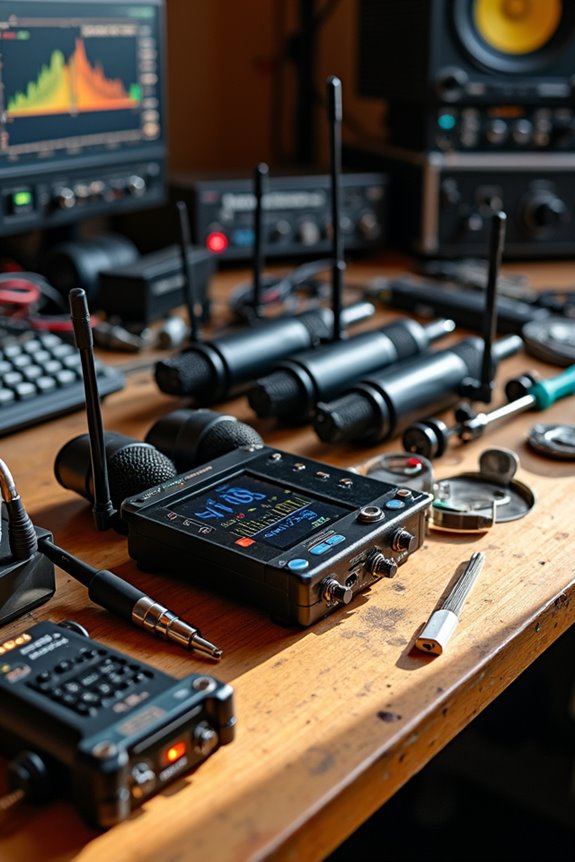
While we might take wireless microphones for granted, the challenges posed by the frequency spectrum can really stir up trouble for users! 🎤 In today’s congested airwaves, finding a clear channel for your wireless mic isn’t as easy as it sounds. Spectrum congestion is a real hurdle, especially in urban areas where overlapping signals can cause interference.
To tackle these issues, we can turn to interference mitigation techniques like using frequency finder tools or adopting multichannel audio systems to improve spectral efficiency.
However, it’s essential to be aware of competing devices like Wi-Fi and Bluetooth, which can muddy the waters. By understanding the landscape of RF interference, we can better equip ourselves for reliable wireless audio experiences!
Recommended Products

WIRELESS FREQUENCY BAND SELECTION - Before purchasing, please ensure that the wireless frequency band you select works in your area (refer to Shure website for details > search Shure Wireless Frequency Finder).
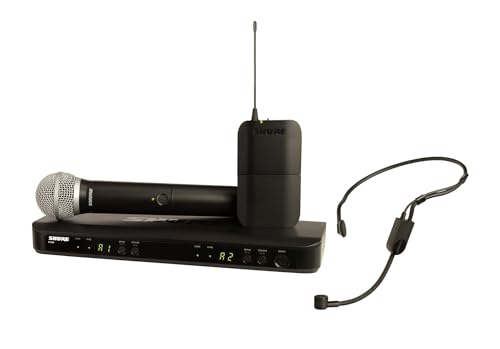
J11 (596–620 MHz) UHF FREQUENCY BAND: Operates on the J11 (596–620 MHz) UHF frequency band for dependable wireless microphone performance in regions where this spectrum is authorized. Verify local compliance before ordering.
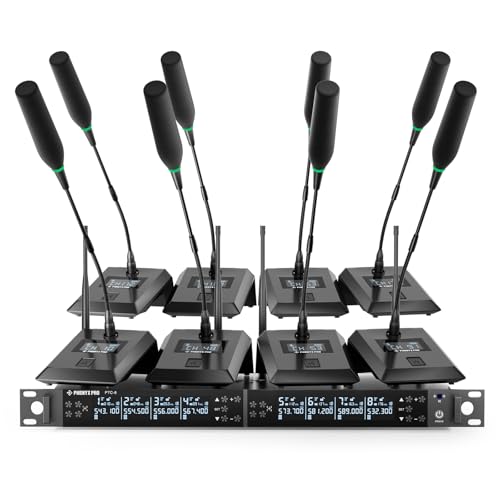
ENHANCED SIGNAL RELIABILITY: Harnessing the power of Auto Scan, the UHF wireless conference microphone system rapidly identifies the least-interference frequency to sync. This advanced feature of the wireless mic system increases anti-interference ability and decreases interference between each channel. The microfonos inalambricos professional also has lock function to lock selected frequency. 8x25 Selectable UHF frequencies allow multiset operation of up to 16 conference mics simultaneously
Reliability Enhancements in Modern Wireless Systems
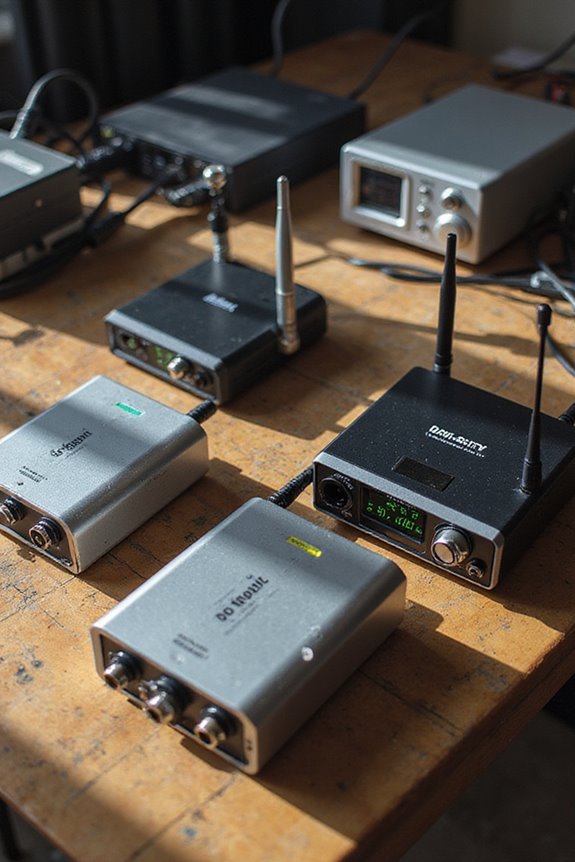
Maneuvering the frequency spectrum’s challenges has brought us to some exciting advancements in wireless microphone technology! 🎤 Reliability is key in maintaining stellar audio quality, especially when it comes to live performances or broadcasts.
Digital systems enhance connectivity stability, transforming audio signals into crystal-clear transmissions while reducing unwanted noise. With battery management improvements, rechargeable batteries offer extended life and quick charging, keeping us prepared for any event. Plus, automatic frequency scanning allows for seamless operation without interference.
AI-powered noise cancellation guarantees we stay focused on performance, while dual antenna diversity delivers consistent signal strength. Together, these features create a robust system that adapts, allowing us to shine on stage or in the studio. Let’s embrace these innovations and enjoy worry-free sound!
Recommended Products

Exceptional Performance: The ASUS ROG Strix G18 features an Intel Core 9 275HX processor for a top-tier gaming experience. This processor boasts 24 cores and 24 threads, with P-cores reaching a maximum turbo frequency of 5.4 GHz and E-cores reaching a maximum turbo frequency of 4.6 GHz. Furthermore, it's equipped with an Intel AI Boost NPU, delivering up to 13 TOPS of AI computing power for unparalleled speed in multitasking, AAA games, and content creation.
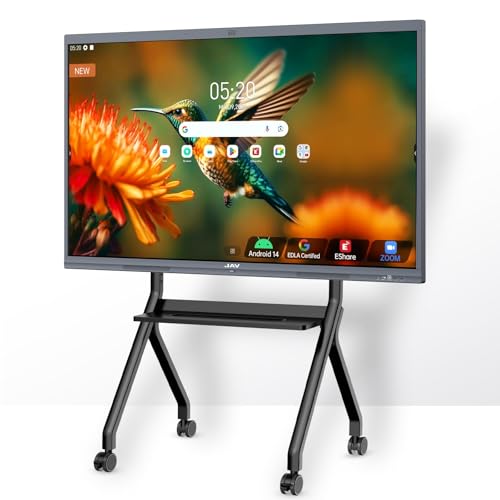
Enterprise-Ready Interactive Hub: 86" 4K UHD multi-touch glass with 0.8mm anti-glare coating, driven by NeoVision AI optics (30FPS gesture tracking) and Arm DynamIQ compute architecture (4*[email protected] + G52 GPU). Android 14 SuperDevice Engine sustains 16-layer whiteboarding sessions while managing 4K/60Hz wireless casting across 8 endpoints.

All-in-One Video Bar: The MeetingBar A10 integrates a 4K camera, 8 MEMS microphones, speaker, computing unit, Android OS, Wi-Fi, and Bluetooth into one compact device for home offices and small meeting rooms
Market Trends and Growth in Wireless Microphone Technology
As the demand for high-quality audio solutions continues to rise, it’s clear that the wireless microphone market is buzzing with excitement! 🎤 With a current valuation of around USD 3.1 to 3.2 billion in 2026, we can expect it to soar to approximately USD 4.5 to 4.6 billion by 2032-2033. This growth is driven by consumer adoption, especially in content creation and streaming.
Market segmentation reveals that handheld and clip-on designs are essential for various applications like corporate events and education. North America leads with a hefty 30-45% market share, supported by tech-savvy consumers. Plus, innovations like AI-based noise cancellation and improved battery life are making these mics more appealing than ever. Many users are also seeking options with dual wireless microphone capabilities to enhance recording flexibility. Let’s enjoy this audio revolution together!
Limitations and Risks of Wireless Microphones
Now that we’ve explored the exciting growth of wireless microphone technology, it’s important to tackle some of the limitations and risks that come along for the ride. 🛑 Even the best systems aren’t foolproof, and we want to make certain you’re aware of potential pitfalls.
Interference from other devices can lead to signal dropouts, and battery management is vital—weak batteries can cause distorted audio or even failures. We also face range constraints; moving too far from the receiver lowers signal strength. Plus, operating frequencies are often crowded, making effective frequency coordination a challenge.
Recommended Products

【Powerful 10-Core Intel i5-1334U Processor】Experience exceptional performance with the Intel Core i5-1334U processor featuring 10 cores and 12 threads. With Turbo Boost up to 4.6 GHz, this HP 17 inch laptop handles data analysis, multi-tab browsing, and content creation with ease — delivering desktop-grade speed in a lightweight, portable design.

Complete 8-User Intercom Solution:Covers full-scale production teams, live venues, houses of worship, and multi-department coordination.

Quad Display KVM Switch: Effortlessly switch between 4 PCs with a single key. Utilize MST technology for a seamless 4-screen extended or mirrored display. Simplify your home office multimedia workstation management with screen-splicing and matrix-like usage, ideal for both workstations and gaming PCs
Audio Quality Considerations for Professional Use
When we contemplate audio quality in wireless microphones, it’s crucial to remember that not all systems are created equal! 🎤 To really shine in professional settings, we must focus on key specifications that make a real difference.
First off, ideal frequency response should be 20Hz-20kHz for rich audio details. Combine this with a high signal-to-noise ratio (SNR) of 70dB or more—90dB+ is even better—to boost audio clarity and reduce background noise!
Most professionals prefer UHF systems for their superior signal stability and multiple channels, while digital microphones offer cleaner sound due to less interference, keeping your audio crisp during performances! Additionally, selecting microphones with advanced noise cancellation features can significantly enhance the overall recording quality. Let’s embrace these specs to guarantee our sound is as amazing as we understand it can be!
Recommended Products

WIRELESS FREQUENCY BAND SELECTION: Before purchasing, please ensure that the wireless frequency band you select works in your area (refer to Shure website for details > search Shure Wireless Frequency Finder).
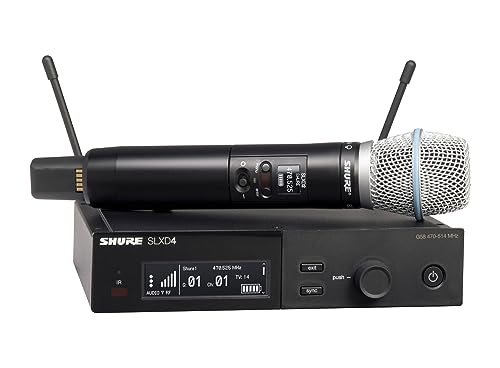
WIRELESS FREQUENCY BAND SELECTION: Before purchasing, please ensure that the wireless frequency band you select works in your area (refer to Shure website for details > search Shure Wireless Frequency Finder).

J11 (596–620 MHz) UHF FREQUENCY BAND: Operates on the J11 (596–620 MHz) UHF frequency band for dependable wireless audio transmission in regions where this spectrum is authorized. Verify local compliance before ordering.
Future Outlook for Wireless Microphone Reliability
The road ahead for wireless microphone reliability is looking bright, and we’re all set to enjoy the ride! 🚀 With advancements in technology, we can count on more stable connections and improved audio quality than ever before. AI integration is at the forefront, making our microphones smarter and user-friendly. Imagine using voice commands to manage your mic seamlessly during performances—talk about convenience!
Plus, robust features like automatic frequency hopping and dual antenna systems minimize dropouts and interference, even in crowded environments. With transmission ranges hitting 200 meters, we’re not just talking convenience; we’re talking reliability!
As we embrace these innovations, let’s keep our fingers crossed for those pesky RF interferences to take a backseat! 🎤✨
Frequently Asked Questions
How Do Weather Conditions Impact Wireless Microphone Performance?
Weather conditions greatly impact wireless microphone performance. We’ve noticed humidity effects and temperature fluctuations can weaken signals, creating noise or dropouts. It’s vital for us to protect our gear and guarantee clear audio during adverse weather.
Can Wireless Microphones Be Used in Large Venues Effectively?
When it comes to using wireless microphones in large venues, we find that striking the right chord with wireless range and venue acoustics guarantees a seamless experience, bringing everyone together without missing a beat.
What Maintenance Do Wireless Microphones Require for Reliability?
Keeping our wireless microphones reliable requires diligent battery management and careful antenna placement. We should regularly inspect components, clean connectors, and guarantee ideal positioning to enhance performance, creating a seamless experience for everyone involved.
Are There Specific Brands Known for Superior Reliability?
When we talk about superior reliability, brands like Sennheiser offer unmatched quality, Shure impresses with durability, Audio Technica delivers solid performance, and Rode packs amazing features. Together, we can trust these names for our audio needs.
How Does User Skill Affect Wireless Microphone Reliability?
Like a skilled sailor steering through stormy seas, our user experience and technical knowledge weave together to guarantee wireless microphone reliability. By mastering setup and troubleshooting, we create harmonious sound amidst any challenges that arise.