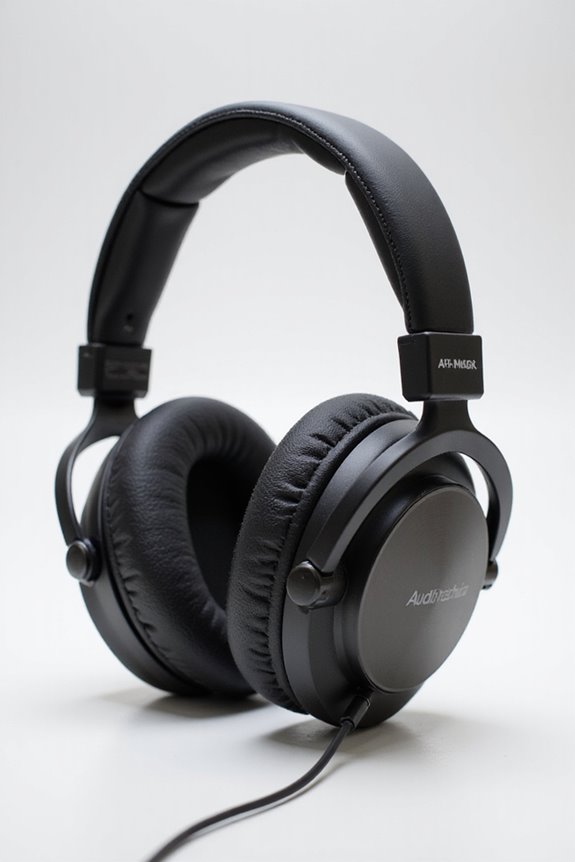

Flat frequency response in headphones means that every audio frequency, from low bass to high treble, is represented equally and accurately. 🎶 This neutrality lets us experience music as the artist intended! Achieving this balance can be tricky due to factors like ear shape and headphone design. That’s why neutral headphones, like the Sennheiser HD 560 S, are favorites among audio pros. Stick around, and we’ll explore more about how sound preferences and technology play a role!
Key Takeaways
- Flat frequency response means all audio frequencies are reproduced equally, ensuring sound neutrality.
- It allows music to be experienced as intended by the artist without coloration.
- Ideal for critical listening, flat response helps discern audio details without frequency bias.
- Achieving true flat response is challenging due to ear shape variability and headphone limitations.
- Flat headphones are commonly preferred by audio professionals for their accuracy and clarity.
Definition and Characteristics of Flat Frequency Response
You may be interested



When we talk about flat frequency response in headphones, we’re diving into the heart of sound fidelity! 🎧 Fundamentally, flat frequency response means that all audio frequencies—from the deep rumbles of bass at 20 Hz to the high whispers of treble at 20 kHz—are reproduced with equal emphasis. This gives us sound neutrality, allowing the music to shine as the artist intended, without any color or boost.
But achieving true frequency accuracy is no walk in the park! Manufacturers often face challenges due to the physical limitations of headphone drivers and our unique ear structures. The result? Flat response headphones might not be perfectly flat, but they aim to deliver minimal coloration, allowing us to catch every detail, nuance, and texture in our favorite tunes. 🎶 Neutral headphones are particularly sought after by audio professionals and serious enthusiasts for their ability to provide this level of accuracy.
Recommended Products

High-end closed-back design for home use and on-the-go

Limited Edition Black - 250 ohm impedance ideal for studio use (ideal for mixing, editing, mastering)
Importance and Applications of Flat Frequency Response
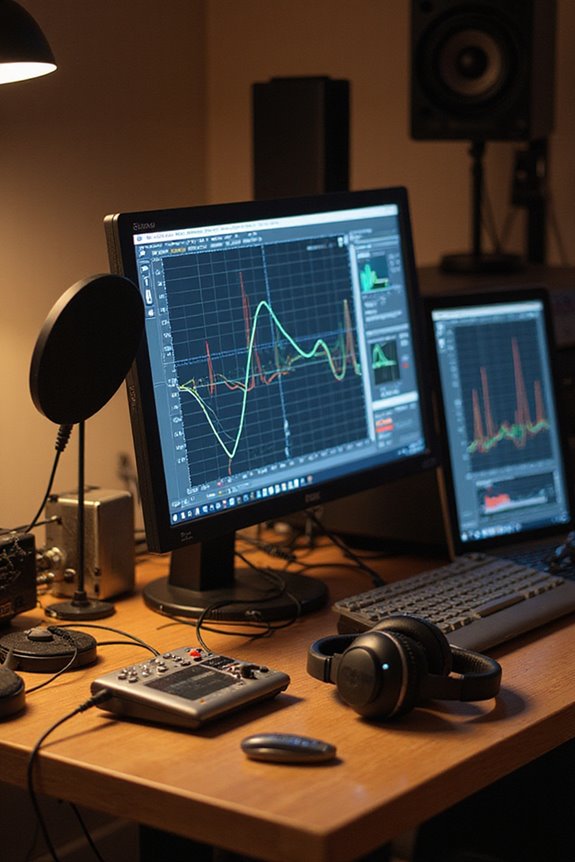
Flat frequency response isn’t just a technical term; it’s a game changer in how we experience sound! When we look at the educational benefits, it’s clear this concept sharpens our critical listening skills, allowing us to discern details without frequency bias. For audio engineering students, using headphones with flat response is like studying from a clean slate—no funny business!
In consumer applications, these headphones deliver honest audio, making them ideal for genres requiring balance. You won’t have to worry about exaggerated bass or tame treble ruining your tracks. Plus, with flat response, we can easily compare different models fairly, stepping confidently into the vibrant world of audio with clarity and precision. 🌟 Let’s enjoy music the way creators intended! 🎶 Additionally, headphones with high sensitivity ratings provide loud volumes without excessive power, enhancing the listening experience.
Recommended Products
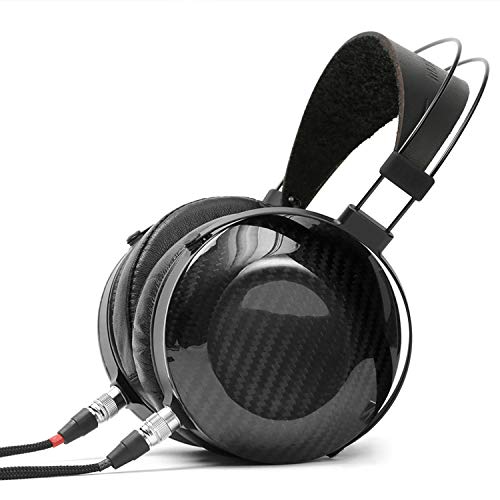
OUR FLAGSHIP CLOSED-BACK HEADPHONES: A collaboration with MrSpeakers, a boutique shop in San Diego, California, the Ether CX closed-back headphones deliver immersive sound
Challenges and Limitations of Achieving Flat Frequency Response

Achieving a truly flat frequency response in headphones can be quite the uphill battle! 🎢 The challenges start with measurement variability; the shape and size of our ears can greatly influence how we perceive sound. A poor seal can lead to bass attenuation, making it tricky to achieve that coveted flatness. Plus, there’s no universal ear model, which complicates things even further.
On top of that, listeners have their own preferences, which means what sounds great to one person might not please another! We face issues with inconsistent measurements in different environments, like labs versus everyday wear. So, while we aim for that perfect sound, we’ve got many hurdles to jump and listener differences to take into account! 🎧
Recommended Products

Incredible bass response due to the 100mm planar drivers and closed back design. Our Planar Magnetic drivers have superior impulse response, and make the headphones sound much more realistic.

Open back, around ear, reference class dynamic headphone

Innovative X3R technology, unique to the IE 900, combines the German-made 7mm transducerwith specially developed membrane foil, triple-chamber absorber and acoustic vortex for anintense listening experience.Specific uses for product : Music
Differences Between Flat and Other Sound Signatures
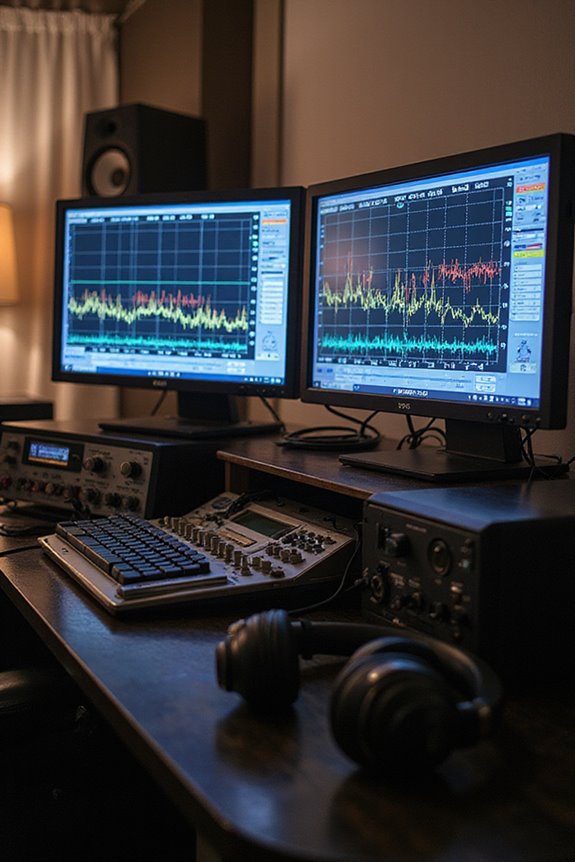
While many people appreciate different sound signatures, it’s essential to understand how they stack up against a flat frequency response. When we compare flat vs balanced, flat headphones deliver an uncolored audio experience. Balanced models tweak frequencies slightly, adding warmth, but may not be as precise. Now, when it comes to flat vs V-shaped, we find that V-shaped signatures boost the bass and treble, creating excitement but sacrificing accuracy.
If you love punchy beats, V-shaped might be your jam! But for critical listening, flat headphones reign supreme, offering clarity and detail. A great example of flat frequency response can be found in the Sennheiser HD 560 S, which is designed to reveal the truth in music. Ultimately, it’s about what sounds good to you, whether you crave accuracy or a more dynamic sound!
Recommended Products

KICK DRUM MICROPHONE: The D6 is an excellent choice for kick drums, featuring a frequency response of 30Hz-15kHz and a cardioid pick-up pattern that doesn't require finding the drum's "sweet spot."
Technical Components Affecting Flat Frequency Response

When it comes to headphones, various technical components come together to shape that coveted flat frequency response we’re after! 🎧 Understanding these elements is essential if you want to appreciate the intricacies of sound.
Recommended Products

Closed-back Planar Headphones. AUDIVINA offers the wide soundstage of an acoustically perfect concert hall, yet with the detail and intimacy of ajazz club, thanks to the NEO Supernano Diaphragm, Stealth Magnet Design, and a curved resonance chamber that is the finishing touch of the advanced acoustical design.
Driver Types & Materials
The driver materials we choose play a huge role in sound accuracy. Dynamic drivers dominate, but planar magnetic ones offer smoother impedance variations.
Acoustic Housing
The design of the acoustic housing controls resonance, with closed-back styles boosting bass, while open-back designs present a more natural sound.
Ear Fit & Impedance
Don’t forget the fit! A proper seal enhances bass response. Plus, impedance variations in drivers can impact how well our headphones interact with amplifiers, ensuring a more balanced sound. Additionally, lower impedance headphones are suitable for portable devices, which can lead to improved sound clarity and detail in a variety of listening environments.
All these factors together create that perfect listening experience!
Subjectivity and Perceptual Considerations in Sound Preferences
Understanding how sound preferences differ among listeners can be quite fascinating! 🎶 Even with the same pair of headphones, we often experience variations in frequency response perception. This listener variability could stem from demographic influences like age or gender, which shape our preferences for bass and treble. Additionally, headphone fit plays a vital role, as it can enhance low-frequency perception.
Acoustic properties, like unique ear shapes, also affect how we experience high frequencies. Let’s not forget environmental factors! Background noise can change how you perceive sound quality, making a great pair of noise-canceling headphones a lifesaver. Even slight sound distortion at certain volumes can turn a remarkable tune into something less enjoyable. Together, these elements create our unique sound frequencies! Moreover, understanding frequency response is crucial for selecting headphones that suit individual listening preferences and achieve desired audio clarity.
Frequently Asked Questions
How Can I Measure the Frequency Response of My Headphones?
To measure the frequency response of our headphones, we can use various measurement techniques like continuous sweeps during headphone testing. Setting up in a controlled environment guarantees accurate and reliable results, enhancing our audio experience together.
Are Flat Frequency Response Headphones Suitable for Casual Listening?
We get that flat frequency response headphones might not match casual preferences. Their neutral sound signature can feel less engaging, so exploring options with some bass or treble enhancement might better suit our everyday listening experiences.
Do All Headphones Have Some Frequency Response Deviation?
Like fingerprints, every headphone’s frequency response reveals unique sound signatures. We can’t escape the fact that all headphones exhibit some frequency response deviation, shaping the sonic journey we share, enhancing our collective listening experience together.
Which Headphones Are Known for Their Flat Frequency Response?
When we’re exploring headphones known for their flat frequency response, we often gravitate toward studio monitors like the Audio-Technica ATH-M50x and audiophile headphones such as Sennheiser HD 600 series. They truly enhance our listening experience together!
How Does Headphone Design Impact Sound Quality Beyond Frequency Response?
When we explore how headphone design shapes sound quality, we can’t ignore driver technology and acoustic design. These elements work together, influencing clarity and depth, enhancing our shared listening experience in ways that truly matter.