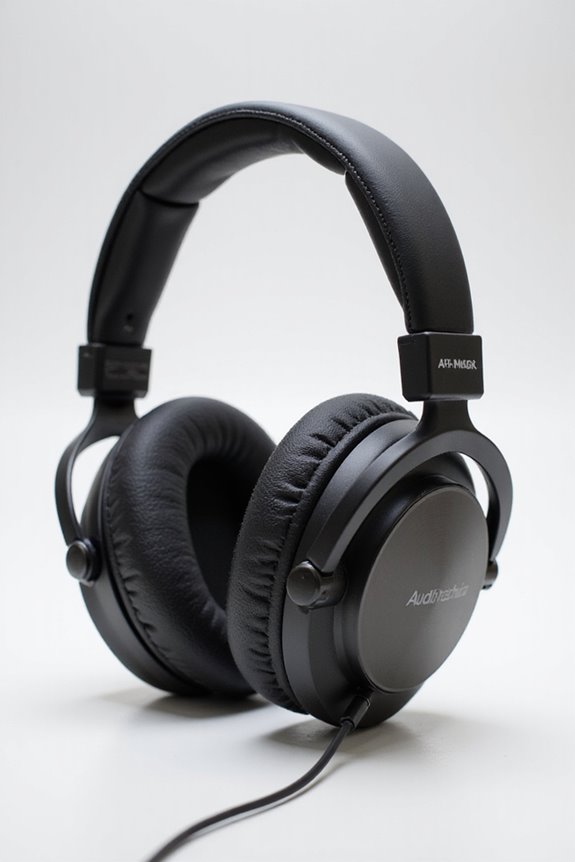
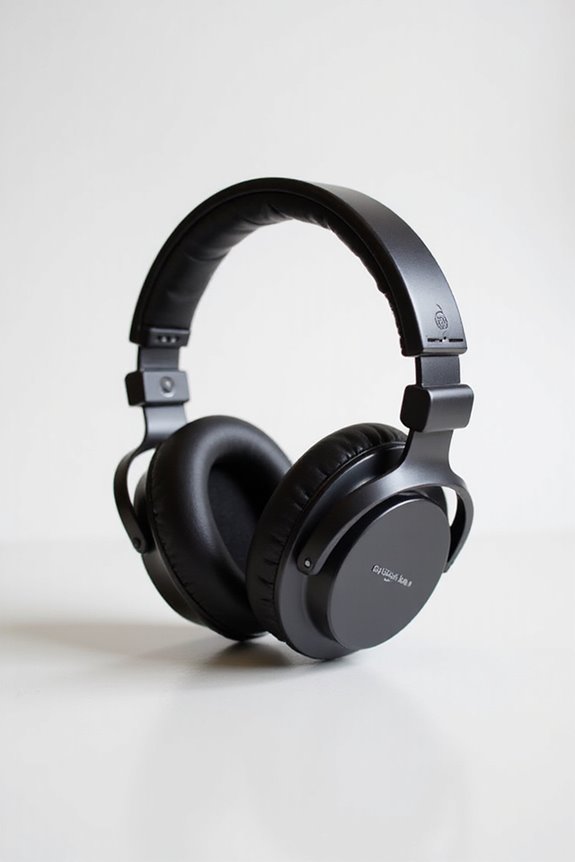

Using reference headphones for mixing is a game-changer! 🎧 They offer a consistent frequency response, so we hear every detail clearly, avoiding those pesky mix errors. With enhanced detail resolution, we catch subtle imperfections and guarantee everything’s balanced. Plus, their portability means we can mix on the go. Let’s not forget reduced ear fatigue—perfect for those long sessions! However, beware of stereo imaging challenges. Stick around, and you’ll discover even more tips for mixing success!
Key Takeaways
- Reference headphones provide a flat frequency response, ensuring accurate audio reproduction and preventing mix errors across different playback systems.
- They enhance detail resolution, allowing you to identify subtle imperfections and overlapping frequencies for a cleaner, more precise mix.
- Their portability enables efficient mixing in various locations, making it easy to work without sacrificing sound quality.
- Designed to reduce ear fatigue, they maintain ear sensitivity during long sessions, improving mixing accuracy over extended periods.
- Mixing with reference headphones can highlight stereo imaging issues, necessitating regular checks for mono compatibility to maintain spatial balance.
Consistent Frequency Response
You may be interested



When it comes to mixing, having reference headphones with a consistent frequency response is essential! 🎧 A flat response guarantees fidelity—meaning no frequency range is artificially boosted or cut. This frequency balance lets us hear low, mid, and high sounds accurately, preventing mix errors that can lead to unexpected outcomes on other playback systems.
Without consistent response, we might end up over-emphasizing bass or getting muddled vocals in our mixes. Instead, we want every instrument and vocal to shine! Plus, it reduces listener fatigue, so we can mix longer sessions with ease. Trusting our reference headphones means translating our mixes confidently across speakers, earbuds, and car audio. In addition, headphones with a wide frequency response ensure that all audio details are captured effectively. Let’s make those mixes sound great everywhere!
Recommended Products

Open back, around ear, reference class dynamic headphone

Innovative X3R technology, unique to the IE 900, combines the German-made 7mm transducerwith specially developed membrane foil, triple-chamber absorber and acoustic vortex for anintense listening experience.Specific uses for product : Music

AMT TWEETERS - TUK utilizes high-performance AMT tweeters to deliver brighter, more accurate highs. Their wide horizontal dispersion also offers improved stereo imaging and soundstage.
Enhanced Detail Resolution
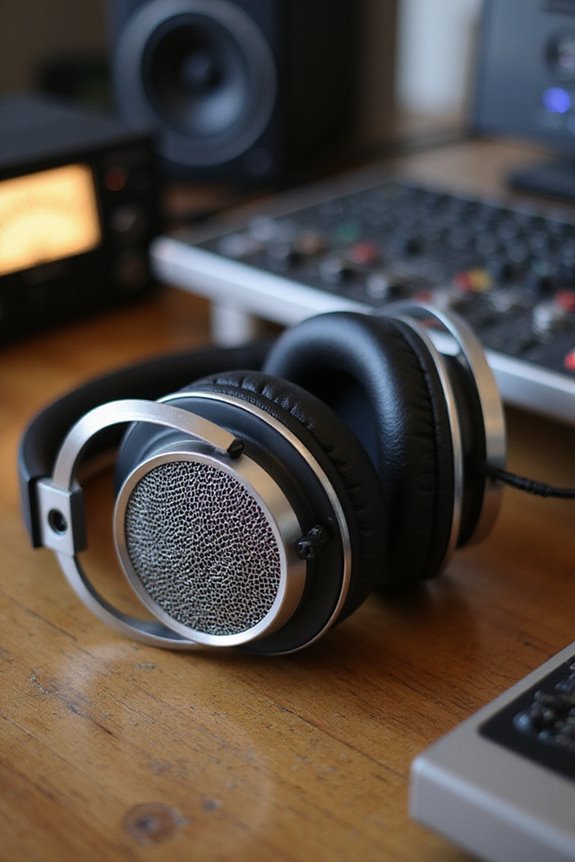
Detail resolution is the secret sauce for achieving a polished mix! 🎶 With reference headphones, we can dive deep into the intricacies of our audio, uncovering subtle imperfections that might slip past us when using speakers. This isn’t just about hearing; it’s about detailed frequency analysis.
We get to focus on those faint noises, like hiss and hum, exposing them for a clean mix. Plus, their superior isolation means we notice transient details that add depth to our sound. 🎧
Whether it’s catching tiny reverb tails or identifying overlapping frequencies that cause muddiness, detailed awareness helps us balance instruments perfectly. By revealing intricate elements, reference headphones keep our mixes shining bright! 🌟 Additionally, high-quality drivers provide exceptional clarity that enhances our perception of subtle audio details.
Recommended Products
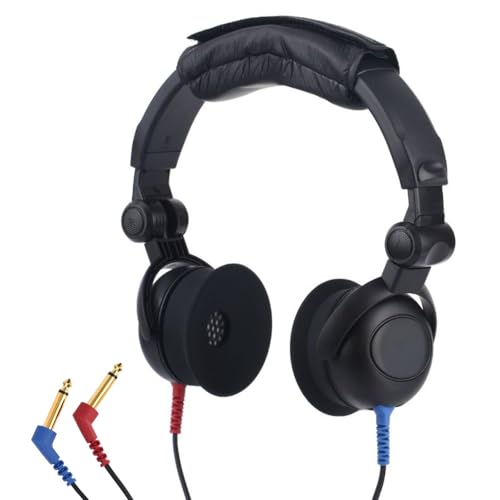
Sound Performance: The headphone features meticulously designed for high sensitivity, low distortion, and a wide, smooth frequency response (frequency range: 125-8000Hz, sensitivity: 3dB, distortion rate: 3%).

𝐂𝐥𝐚𝐫𝐢𝐭𝐲 𝐚𝐧𝐝 𝐁𝐚𝐥𝐚𝐧𝐜𝐞 𝐢𝐧 𝐘𝐨𝐮𝐫 𝐌𝐮𝐬𝐢𝐜:The Altruva is tuned to have a studio monitor-like sound profile. The bass hits hard and fast for a thumpy kick that doesn’t disturb the midrange. The midrange is natural and balanced, providing complete accuracy to instruments and vocals in their fundamental ranges. The treble is clear and transparent, with excellent air. The Altruva is designed for audiophiles who seek to replicate a professional studio-like sound in their music.

[ Speech Mode ] Read aloud to improve fluency and comprehension, and the tone of your voice becomes clearer and distinct which results in better listening, communication, reading and writing comprehension, increase in attention and short-term memory.
Portability and Convenience

With reference headphones in our toolkit, mixing outside the studio becomes a breeze! 🚀 Gone are the days of being tied to bulky monitors or an acoustically treated room; we can take our mixing sessions wherever inspiration strikes. Whether we’re at a café or traveling, our mobile setup of a laptop and headphones makes mixing travel-friendly and seamless.
These headphones let us work efficiently in various environments without sacrificing sound quality. We won’t disturb anyone, whether it’s a late-night session or a cozy coffee shop. Plus, we don’t need to deal with acoustic treatments or complicated setups, which means we can focus on what really matters—our music. So let’s embrace the freedom to create wherever we find ourselves! 🎶 Additionally, long battery life ensures that we can mix for extended periods without interruptions.
Recommended Products

Specifically designed to deliver mixes that consistently translate well
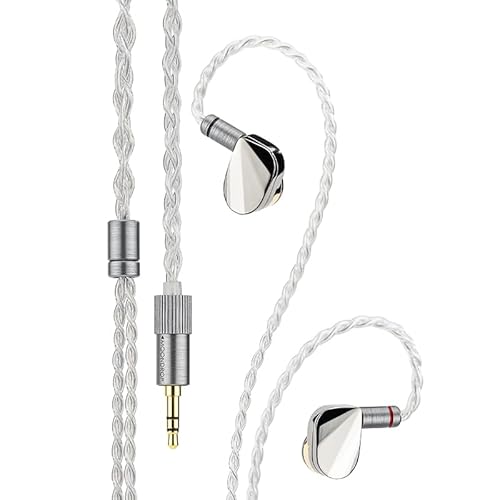
【Reference-Standard Professiona Flagship Successor】 As the worthy successor to the lllumination series, lllustrious continues to emphasize pristine bass reproduction while maintaining a smooth treble extension that meets the rigorous standards of professionals. Inheriting the 11mm patented high-performance dynamic driver from the lllumination, we have upgraded the diaphragm and magnetic circuit materials. improved manufacturing precision, and enhanced the acoustic front cavity design. This not only significantly improves frequency bandwidth and reduces nonlinear distortion but also further optimizes the smoothness of the mid-treble frequency response.

Limited Edition Black - 250 ohm impedance ideal for studio use (ideal for mixing, editing, mastering)
Reduced Ear Fatigue
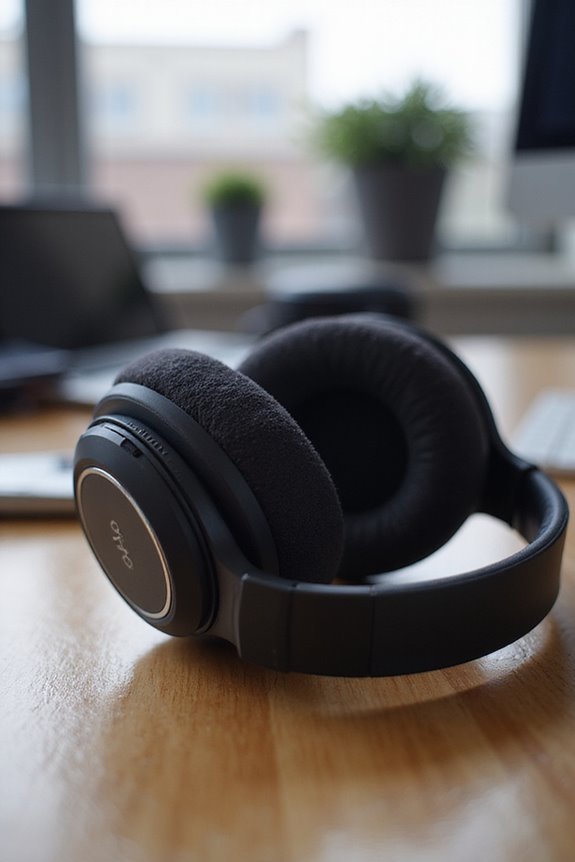
Ear fatigue can sneak up on us during long mixing sessions, often turning our joy into a headache! 😩 As we push through hours of tweaking, our ears can become desensitized to certain frequencies, especially in that pesky 1-3 kHz range, making it harder to gauge our mixes accurately. That’s where reference headphones shine! They help maintain ear sensitivity by allowing us to mix at moderate sound pressure levels, typically between 75-85 dB. With their open-back designs, they ventilate our ears and reduce pressure buildup, alleviating that annoying fatigue. Plus, their balanced sound helps us avoid overemphasizing fatiguing frequencies. Open-back headphones provide exceptional sound quality, which further enhances our mixing accuracy. So, let’s invest in high-quality reference headphones, and keep our ears happy while we create!
Isolation and Noise Control
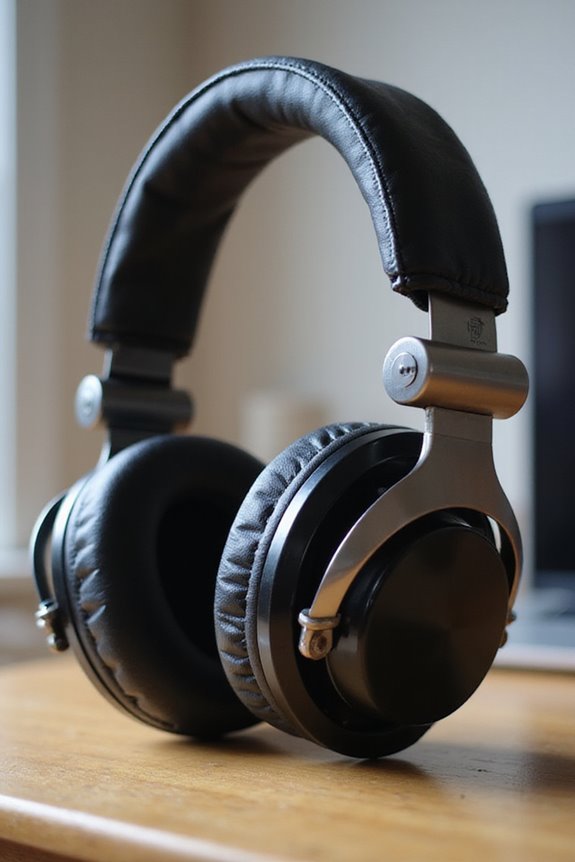
With closed-back designs, we can crank up the volume without worrying about disturbing anyone nearby, maintaining quiet for others. This lets us also work in spaces with less-than-perfect acoustics. So, whether you’re mixing in a crowded apartment or a public space, reference headphones make sure you’re getting accurate sound—all while keeping things peaceful! Additionally, advanced drivers in these headphones enhance audio performance, contributing to a more precise mixing experience.
Recommended Products

Focal Stellia headphones deliver every tiny detail of every song at both very high and very low frequencies without compromising any tonal balance

NEWLY ENGINEERED 50MM S2 DRIVER: Designed to improve clarity, balance, and overall cohesion, delivering a more refined and controlled listening experience

New "collapsing gimbal" allows a full size headphone to store in a remarkably compact case for easy traveling, without adding weight
Challenges With Stereo Imaging and Panning Accuracy
While mixing with reference headphones can be incredibly convenient, it brings a unique set of challenges—especially when it comes to stereo imaging and panning accuracy. 🎧 You might notice that individual sounds often feel more exaggerated and detached, creating an artificial stereo image that doesn’t quite mirror how they’ll sound in a room. This strong stereo separation can mess with our panning judgment, making it tough to position instruments accurately. Plus, without room acoustics, we miss essential spatial awareness, leading to mixes that might sound unnatural! To address these issues, we should regularly check mono compatibility to catch phase problems. Using visual aids like phase meters also helps us maintain spatial balance, ensuring our mixes translate well across all listening environments. Additionally, investing in high-quality audio interfaces can significantly improve your overall sound fidelity and mixing accuracy.
Supporting Workflow Continuity
Let’s explore how reference headphones can greatly enhance our workflow continuity! By providing excellent isolation, these headphones block out distractions, ensuring we stay focused during long mixing sessions. This isolation not only improves our decision-making speed but also maintains a consistent sound environment—essential for mixing consistency. Plus, with no room acoustic variables to worry about, our mixes will translate well across different playback systems.
Portability is another perk! We can mix from anywhere, eliminating lengthy setup times and preserving our workflow efficiency. Familiar reference tracks allow us to anchor our sessions, keeping decisions predictable and reducing pesky interruptions. So, whether we’re at home or on the go, reference headphones are our trusty sidekick in achieving seamless mixing continuity! 🎧
Recommended Products

Neodymium magnetic circuitry with powerful 1.5 tesla magnetic flux for wide dynamic range

Optimized closed-back design with 53mm transducers for greatest-in-class headroom and dynamic range

Importance of Mixing Environment
The mixing environment plays a crucial role in achieving great sound, so we can’t overlook its importance! A well-designed mixing room can elevate your mixing game. First, proper acoustic treatment is essential—bass traps in corners tackle low frequencies, while absorbers and diffusers help balance clarity and prevent annoying flutter echoes.
Next, we should position our monitors symmetrically and at ear level for accurate stereo imaging. Remember, distancing from walls minimizes unwanted reflections. Most importantly, a quiet space free from ambient noise lets us hear every subtle detail without distractions. With these thoughtful setups in our mixing room, we can make reliable mix decisions, ensuring our music shines through just as we envision! 🎶
Frequently Asked Questions
What Are the Best Headphone Brands for Mixing?
When we explore the best headphone brands for mixing, Sennheiser models like the HD 600 and Audio-Technica options like the M50x stand out for their clarity and accuracy, making them essential tools for our audio journey together.
Can I Use Bluetooth Headphones for Mixing?
While Bluetooth headphones offer convenience, they can’t match wired options for mixing accuracy. We’ve all felt the frustration of Bluetooth limitations, making it harder to capture the nuances our mixes truly deserve. Let’s stick to reliable connections.
How to Choose the Right Headphone Type for Mixing?
When choosing the right headphone type for mixing, we should consider open back designs for their natural soundstage, while also appreciating closed back advantages like sound isolation. Both options enhance our mixing experiences, catering to our unique needs.
What Is the Ideal Headphone Impedance for Mixing?
When we consider the ideal headphone impedance for mixing, high impedance options (250 Ω+) guarantee clarity and detail, while low impedance (16–50 Ω) offers portability. Let’s choose what best fits our mixing environment together.
How Do Headphone Pads Affect Sound Quality?
We may think pad choice isn’t essential, but it seriously affects headphone comfort and sound isolation. From velour’s breathability to leather’s sealing, each pad alters our listening experience and ultimately shapes our mixes’ clarity.