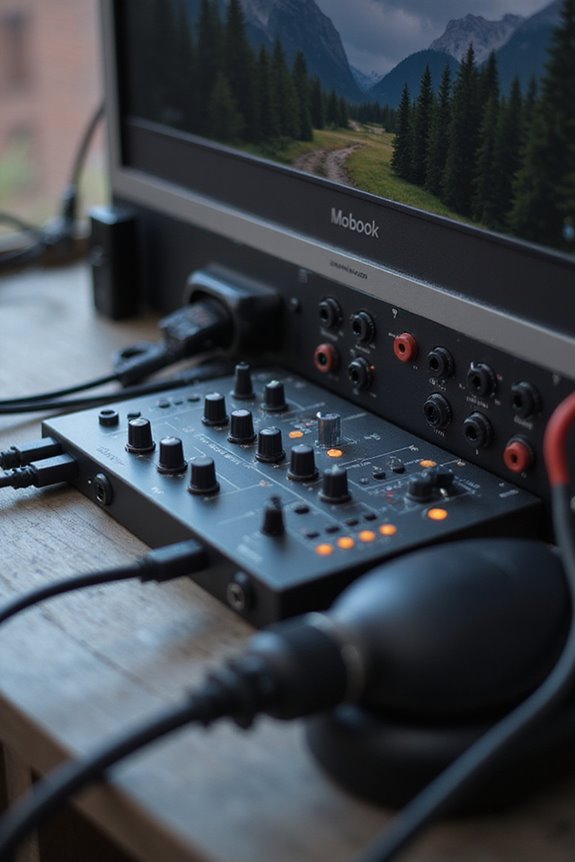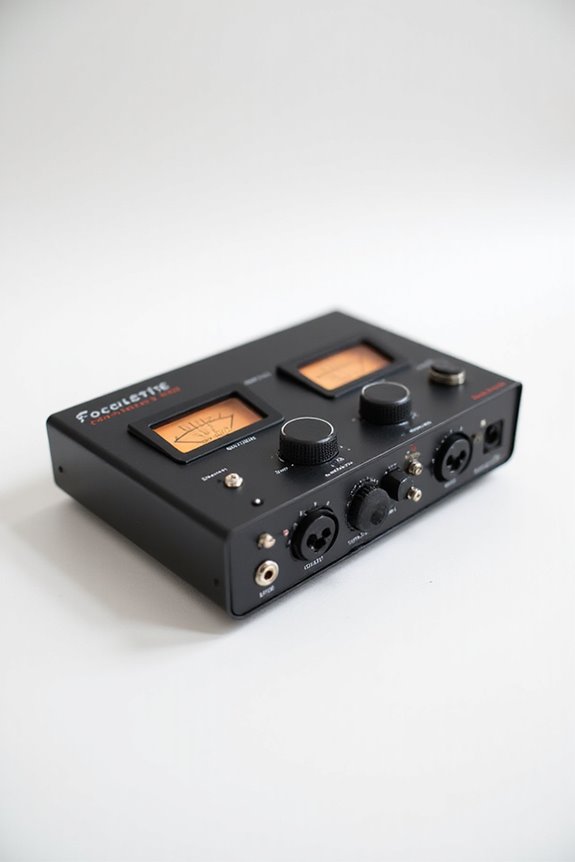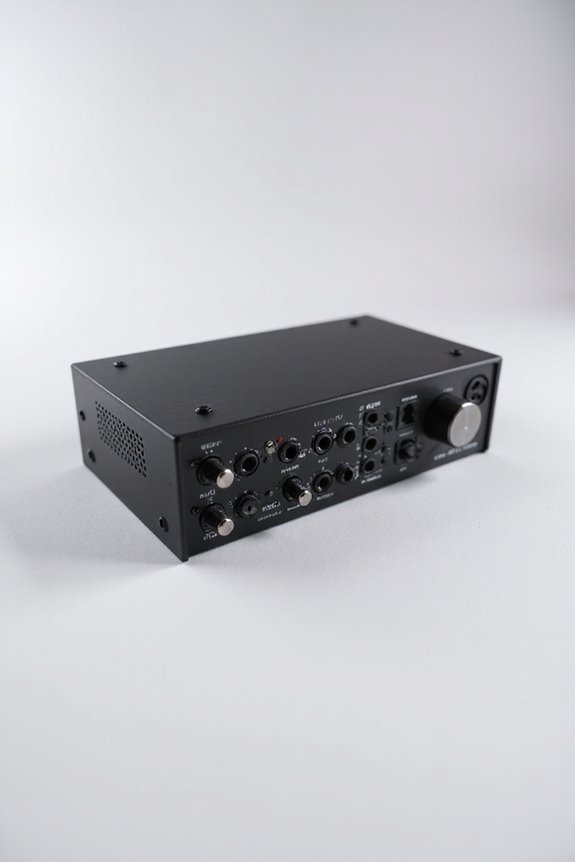
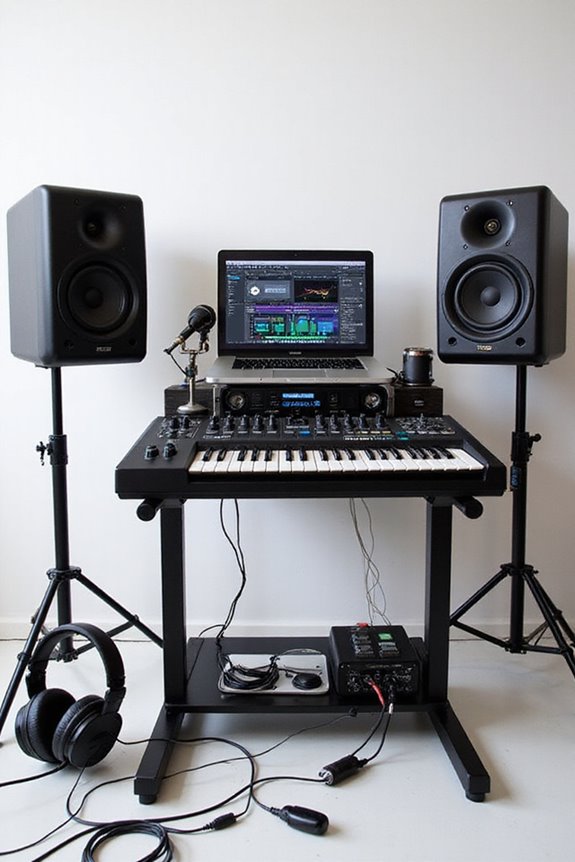

To kickstart our music production journey, we need a solid setup! First, we’re talking about a computer with at least a 2.4 GHz processor and 8 GB RAM—16 GB is even better! We can’t forget a good Digital Audio Workstation (DAW) for mixing, along with a reliable audio interface for smooth sound conversion. Studio monitors or quality headphones are essential for accurate sound. Finally, don’t skimp on a decent microphone! Stick with us for more gear essentials and tips! 🎶
Key Takeaways
- A powerful computer with at least a 3.0 GHz processor and 16 GB RAM ensures efficient music production and multitasking.
- A reliable Digital Audio Workstation (DAW) supports multitrack recording, MIDI composition, and low-latency playback for seamless workflow.
- Invest in a good quality audio interface for converting analog signals to digital, focusing on low latency and sufficient inputs/outputs.
- Use studio monitors for accurate sound representation, and headphones with flat frequency response for detailed listening in tight spaces.
- Choose the right microphones, like cardioid or large-diaphragm condensers, for quality recording of vocals and instruments.
Computer Requirements
You may be interested
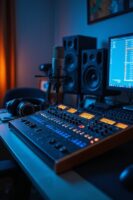
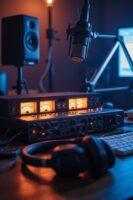
When diving into the world of music production, we often find ourselves asking: what do we really need from our computers? 🎶 The right hardware is essential for a smooth and enjoyable creative experience, whether we’re laying down beats or mixing tracks.
Processor Performance
For basic music production, we need at least a 2.4 GHz processor, but 3.0 GHz or higher is ideal. Aim for a minimum of 4 cores; more cores mean better multitasking!
RAM Capacity
Minimum RAM should be 8 GB, but let’s aim for 16 GB to keep our flow smooth. For those complex projects with many plugins, 32 GB or more is golden! High-end CPUs and ample RAM let us work without hiccups, ensuring our creative juices keep flowing! 🎧
Digital Audio Workstation (DAW)
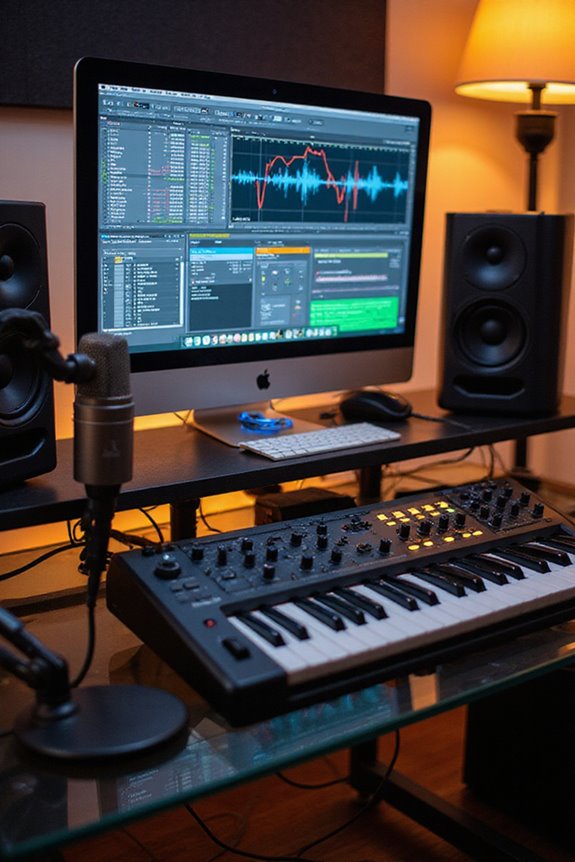
Now that we’ve set the stage with our computer requirements, let’s talk about the magic that happens within a Digital Audio Workstation, or DAW for short. This is where our musical ideas come to life! DAWs boast fantastic features like a sequencer that organizes our tracks in a timeline, allowing simultaneous playback of audio and MIDI data. With their intuitive DAW workflow, we can easily mix tracks, apply effects, and control parameters with automation. Plus, we get multitrack recording and editing tools, ensuring our sound is first-rate! Whether it’s MIDI composition or adding virtual instruments, our creative possibilities are endless. Ultimately, a DAW is our musical playground—let’s jump in and explore! 🎶✨ Additionally, using an audio interface with low-latency drivers enhances the recording experience, ensuring that our musical ideas are captured in real-time without delay.
Recommended Products

4K UltraHD Resolution - Experience incredible detail with 4X the resolution of 1080p Full HDTVs.

4K HDR PROCESSOR X1: See premium 4K pictures, rich with real-world detail and texture. Upscale everything you watch to near-4K with 4K X-Reality PRO.
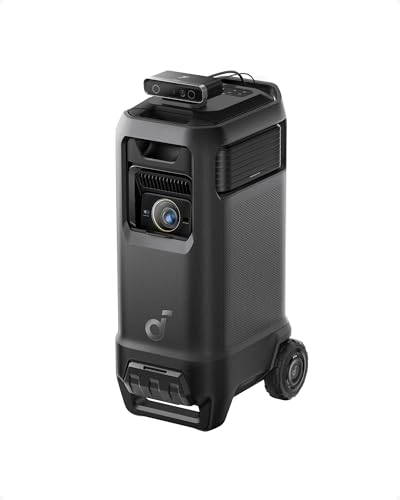
Outstanding 4K Visuals, Mapped Perfectly to Your Space: X1 Pro's Triple Laser engine delivers 3,500 ANSI lumens, 1.07 billion colors, and 56,000:1 dynamic contrast; SpaceFlow auto-maps your wall's exact 3D shape and texture — fitted precisely to any surface for a truly cinematic image.
Audio Interface
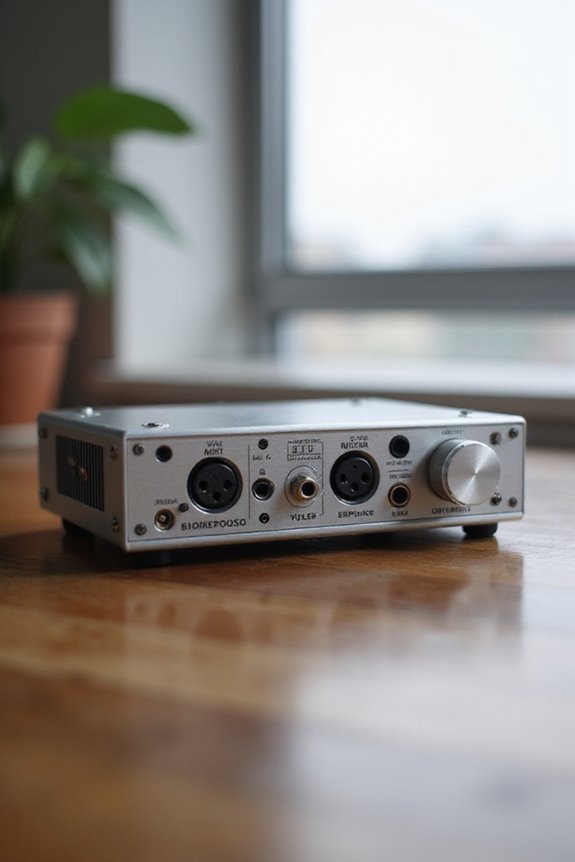
An audio interface is like the bridge between our musical creativity and the digital world, making it an essential piece of gear in music production. It converts analog signals from our microphones and instruments into digital data for our computers, and vice versa.
When choosing an audio interface, you’ll notice important features, like the number of inputs and outputs—think 2-in/2-out systems for solo projects, or more for full bands! 🎤 Some popular audio interface brands, like Focusrite and PreSonus, provide high-quality preamps that enhance clarity and reduce noise.
Plus, with ultra-low latency, we can enjoy real-time monitoring without frustrating delays. These tools help us capture our music magic seamlessly! 🎶 Embrace your creativity with the right audio interface! Furthermore, consider latency performance to ensure a smooth recording experience without delays.
Recommended Products

SONY USA AUTHORIZED - Includes Full SONY USA WARRANTY | Introducing the Sony Alpha a7S III - a new milestone in sensitivity, speed and image supremacy.

No Computer Required - MPC X Special Edition is a standalone sampling drum machine for music creation with the Intuitive MPC Workflow, advanced plugin instruments and thousands of inspirational sounds

Choice of flat (frfr) or speaker Modelling modes
Monitoring: Studio Monitors and Headphones
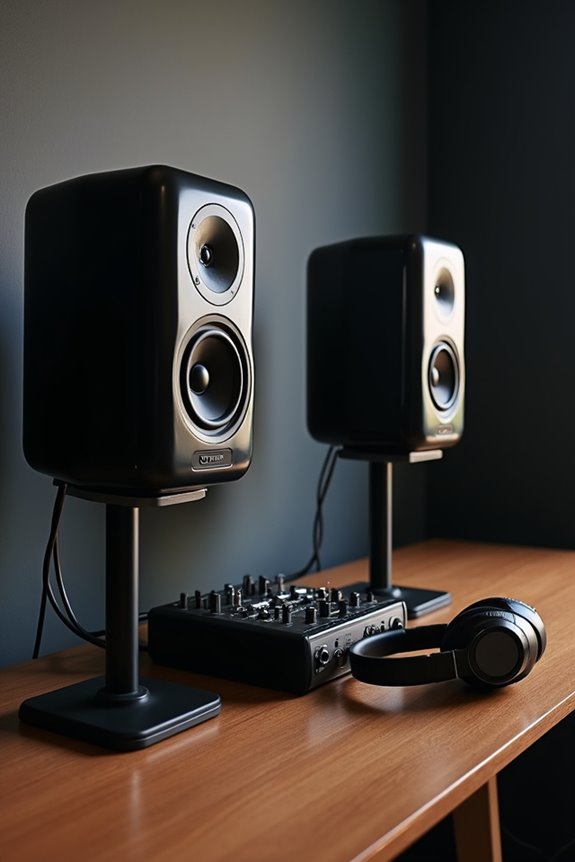
Studio Monitors vs. Headphones****
Studio monitors offer better sound accuracy, thanks to larger drivers that deliver a natural stereo image. However, they need proper acoustic treatment to shine. For tight spaces or to avoid sound leakage, headphones come to the rescue! Each headphone type has its charm, but a flat frequency response is key for checking details. Excellent frequency response is crucial in both monitors and headphones to ensure the best audio reproduction.
Mixing Workflow
A great approach is starting with monitors for broad tonal balance and switching to headphones for pinpoint details! Remember, ear fatigue can hit us all, so take breaks and moderate the volume. Let’s make great music together!
Recommended Products

Incredible bass response due to the 100mm planar drivers and closed back design. Our Planar Magnetic drivers have superior impulse response, and make the headphones sound much more realistic.

Large diaphragm capsule derived from the classic U 87 microphone

KICK DRUM MICROPHONE: The D6 is an excellent choice for kick drums, featuring a frequency response of 30Hz-15kHz and a cardioid pick-up pattern that doesn't require finding the drum's "sweet spot."
Microphones
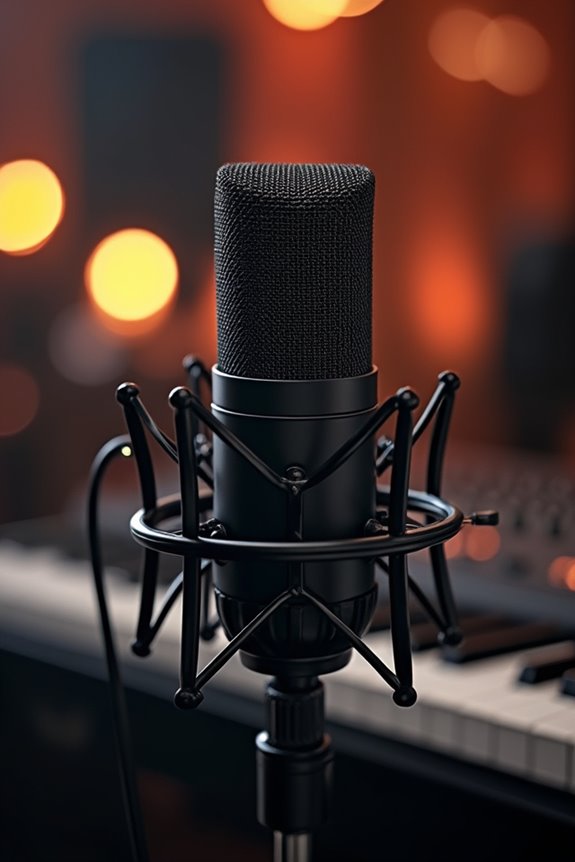
Microphones are the unsung heroes of music production, transforming our voices and instruments into sound waves that can be captured and shared. Choosing the right microphone types can be a game-changer! We have options like dynamic, condenser, and ribbon mics, each with unique polar patterns. For instance, cardioid mics excel at sound isolation by rejecting side noise, perfect for vocals. If you’re recording acoustic instruments, large-diaphragm condensers provide warmth and detail. Remember, microphone selection should align with your instrument and environment. Whether you need a USB mic for ease or an XLR for professional quality, we can find our ideal match together! 🎤 Additionally, prioritize microphones with a frequency response of 50 Hz to 15 kHz for optimal vocal tone capture. Let’s explore the wonderful world of mics and elevate our sound!
Recommended Products

Reissue of Vintage U 67 Microphone

Large-diaphragm Condenser Microphone

Three distinct tube microphones at the flip of a switch. FORWARD is bold, present and modern, but never harsh. NEUTRAL is smooth and earthy with a natural balancing of sibilant sounds. GENTLE is dark and sultry with a warm vintage feel, ideal for taming bright or abrasive sound sources.
MIDI Controllers and Accessories
MIDI controllers are truly the heartbeat of contemporary music production! 🎹 These devices bridge the gap between our creativity and technology, allowing us to interact with software in ways that spark inspiration. Let’s break down the essentials.
MIDI Keyboard Features: Think weighted keys for that piano feel and velocity sensitivity for expressive play.
Pad Controller Advantages: These trendy controllers invite us to drum away with pads, making beat creation a snap!
Fader Controller Uses: Sliders help us mix with precision, adjusting levels and effects seamlessly.
DJ Controller Integration: Perfect for live performances, they pair flawlessly with DJ software for dynamic mixes.
Foot Controller Applications: Ideal for hands-free control, letting you switch effects without breaking a sweat.
Recommended Products
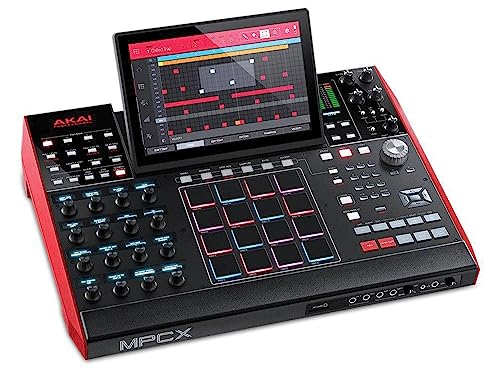
Beat Maker Essential – Standalone flagship MPC, sampler, drum machine and MIDI controller (for the included MPC Software – Mac / PC) with the powerful MultiCore System

Flagship 88-note weighted-action synthesizer keyboard with thousands of electronic and acoustic sounds powered by Roland’s advanced ZEN-Core, V-Piano and SuperNATURAL technologies, with authentic acoustic grand sound and response

Fantom Series Limited Edition T-Shirt with Product Registration
Essential Cables and Adapters
When it comes to music production, having the right cables and adapters is like having the perfect seasoning for a great dish—they can make all the difference! 🎶 Several types of audio cables are essential for ensuring our equipment communicates effectively.
XLR Cables: Great for connecting microphones to mixers, they deliver balanced signals, improving cable quality and minimizing noise.
1/4″ TRS Cables: Use these for headphones or as patch cables!
Instrument Cables: Connect guitars and basses to amps—crucial for live setups.
RCA Cables: Handy for consumer devices and mixers.
Adapters: Don’t forget the 1/4″ headphone and Lightning to 3.5mm adapters to avoid signal interference! Having spare cables is wise too; they save the joy of a seamless jam session! Additionally, using high-resolution capabilities in your audio interface can significantly enhance sound quality during production.
Outboard Gear and Room Treatment
To create the best sound in our music production, we can’t overlook the importance of outboard gear and room treatment! 🎧 While digital plugins can do wonders, having analog equipment like compressors and preamps will enhance our recordings with that sweet, warm character we all love.
Outboard gear such as compressors help tame dynamic range, making our mixes cleaner. Preamps amplify signals, bringing that classic analog charm. Don’t forget about EQs; they let us sculpt our sound precisely! 🎶 Additionally, investing in interfaces with advanced converters will elevate your audio fidelity, ensuring every nuance of your performance is captured.
Now, let’s chat room acoustics. Proper treatment reduces unwanted reflections and ambient noises. Acoustic panels, bass traps, and diffusers are our best friends here! With good gear in a well-treated room, we’re set up for audio success. Let’s get mixing!
Frequently Asked Questions
How Much Should I Budget for Basic Music Production Equipment?
When considering our budget breakdown for music production, we should aim for around $1,000 to cover essential gear. Investing wisely sets us up for success and lets our creativity flourish in this exciting journey.
Can I Produce Music on a Tablet or Smartphone?
Can we really create quality music on a tablet or smartphone? While device limitations exist, many smartphone apps and tablet features empower us to explore our creativity, bridging gaps in traditional studio settings.
What’S the Importance of Acoustic Treatment in a Home Studio?
When it comes to our home studios, using acoustic panels and soundproofing materials is essential. They create a balanced sound environment, enhancing clarity and creativity, making our music production journey more enjoyable and productive together.
How Do I Choose the Right DAW for My Style?
When choosing a DAW, we should consider our genre preferences and essential DAW features. It’s about finding what feels right for us, whether it’s creativity in electronic beats or detailed orchestration in film scoring.
Are Online Tutorials Sufficient for Learning Music Production?
When it comes to self-learning through online courses, we believe they offer invaluable flexibility, but they might lack the personal touch and community essence we crave. Mixing in some hands-on experiences can deepen our understanding tremendously.